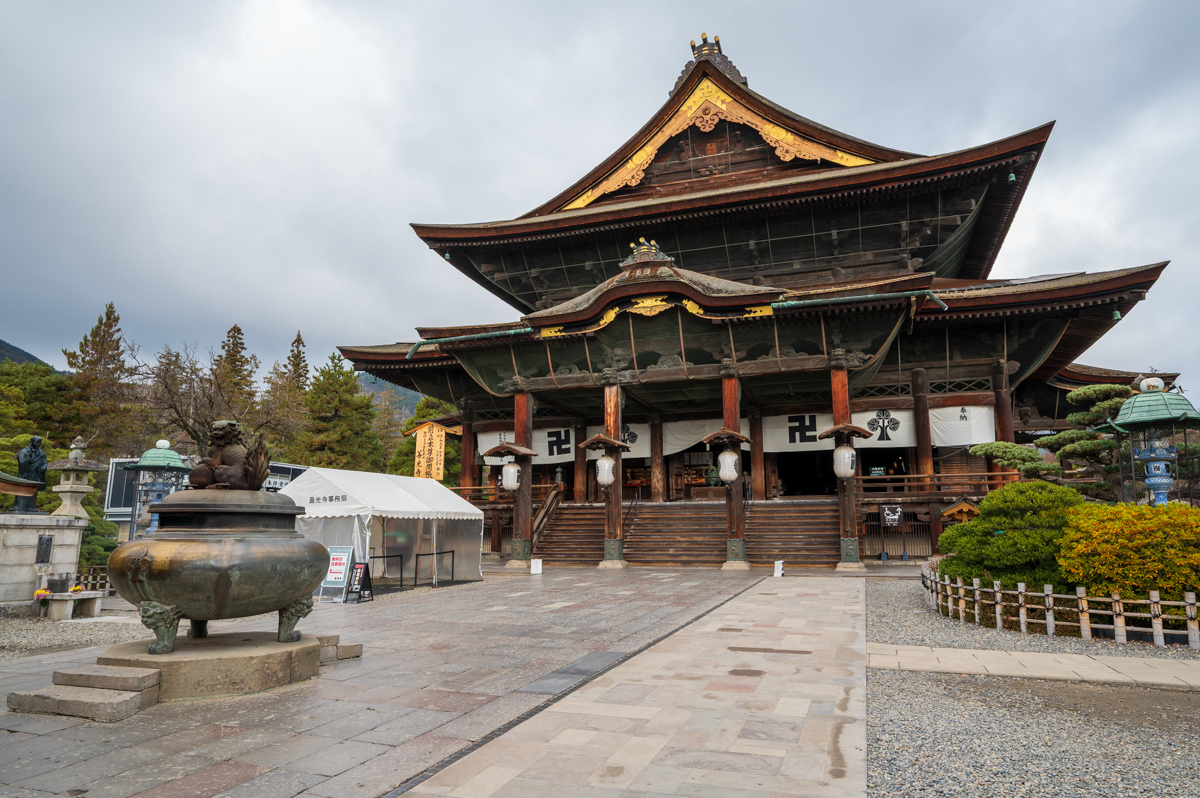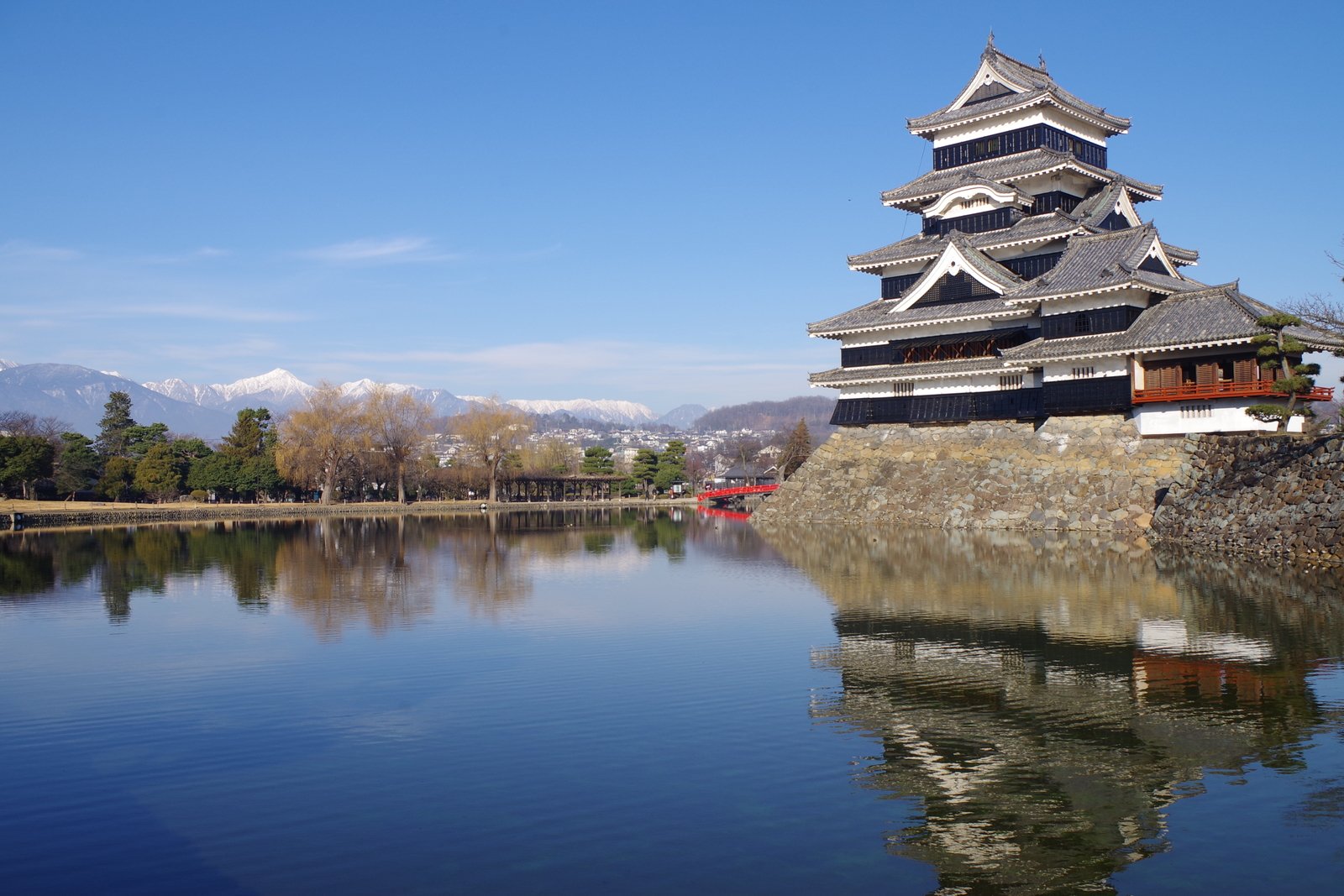


Located squarely in the center of Honshu, Nagano has been a crossroads for merchants, pilgrims and armies for centuries. Venerable temples, forested shrines, old battlegrounds and historic townscapes are all within arm’s reach. Take a trip around Nagano to learn more about central Japan’s history and culture.
Trip Highlights
- Visit 1,400-year-old Zenkoji Temple and participate in its daily Oasaji morning ritual
- Walk amongst the towering cedars in Togakushi and its shrines
- Practice Japanese martial arts such as Kendo or Kyudo in the samurai town of Matsushir
- See the works of Katsushika Hokusai at the Hokusai Museum and Ganshoin Temple in Obuse
Course Map
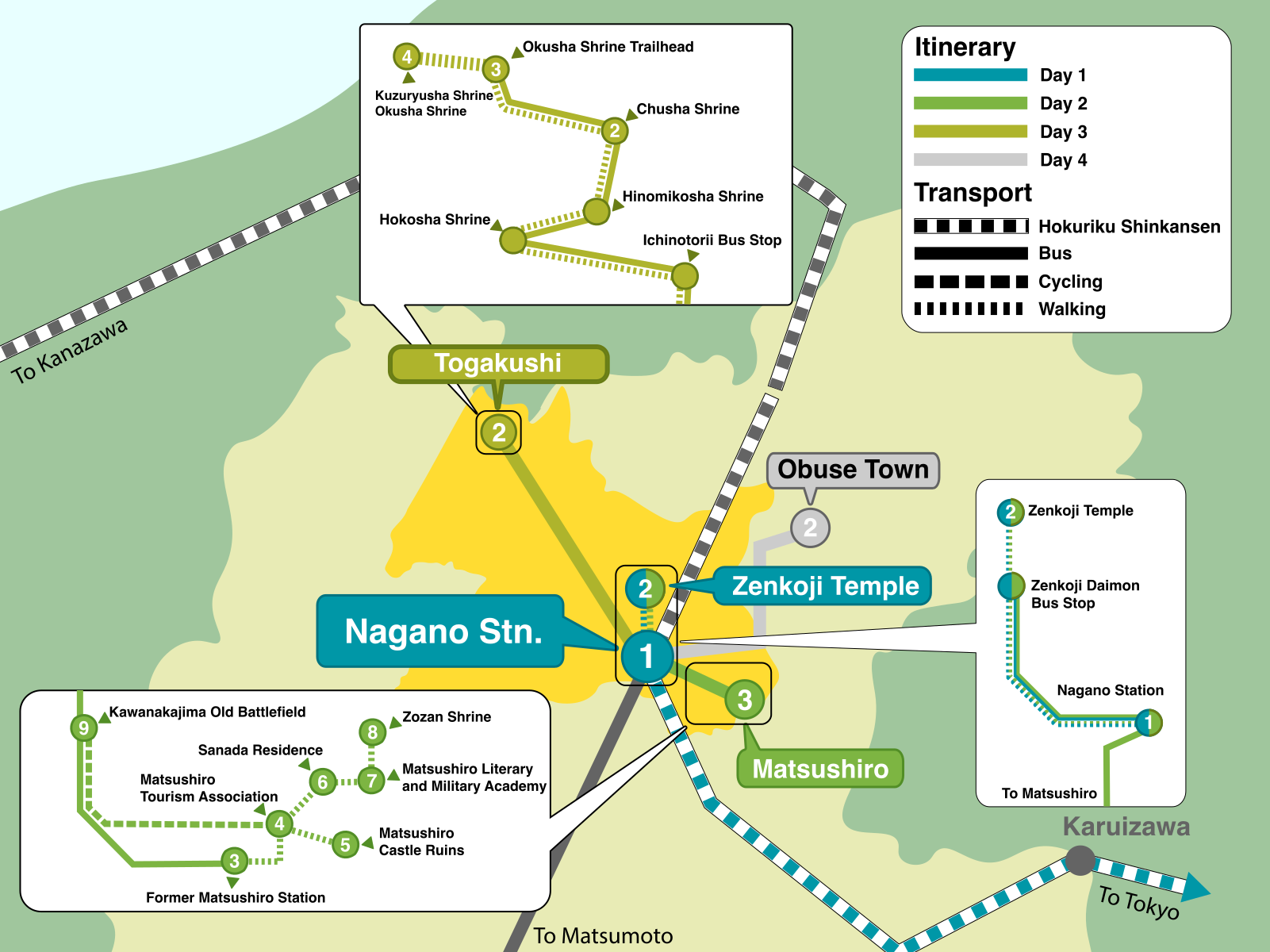
Itinerary
Day 1: Arrive in Nagano and visit Zenkoji Temple
Nagano City sits in a wide basin surrounded by the Northern Japanese Alps, making it an ideal base for summer adventure. Easily reached by Hokuriku Shinkansen from Tokyo in under 90 minutes, the city offers a rare balance of urban convenience and immediate access to forests, mountains, and historic trails. After checking into your hotel near Nagano Station, take time to stretch your legs and adjust to the cooler alpine air—especially refreshing in summer.
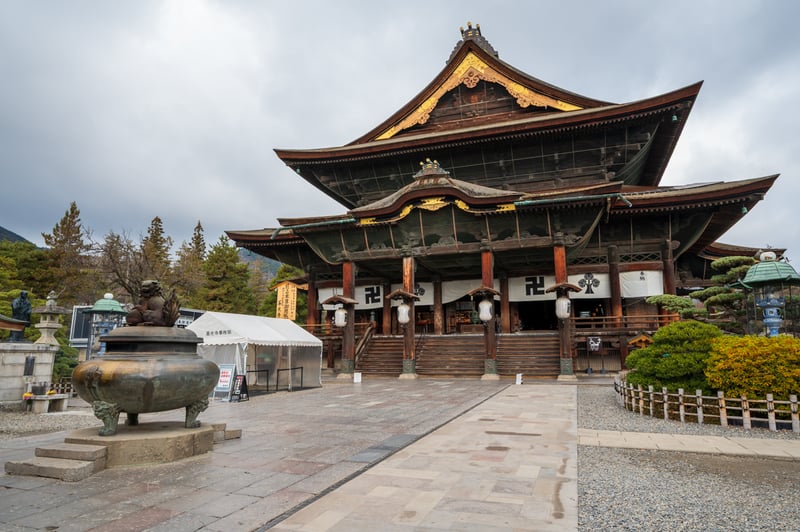
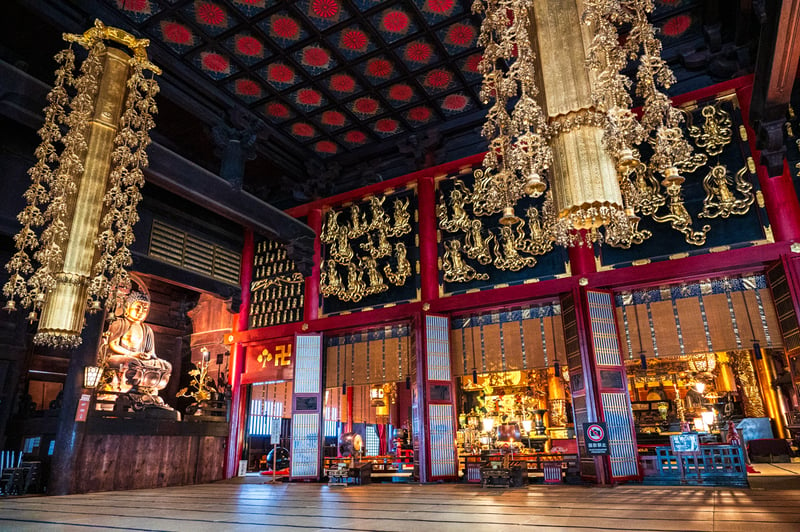
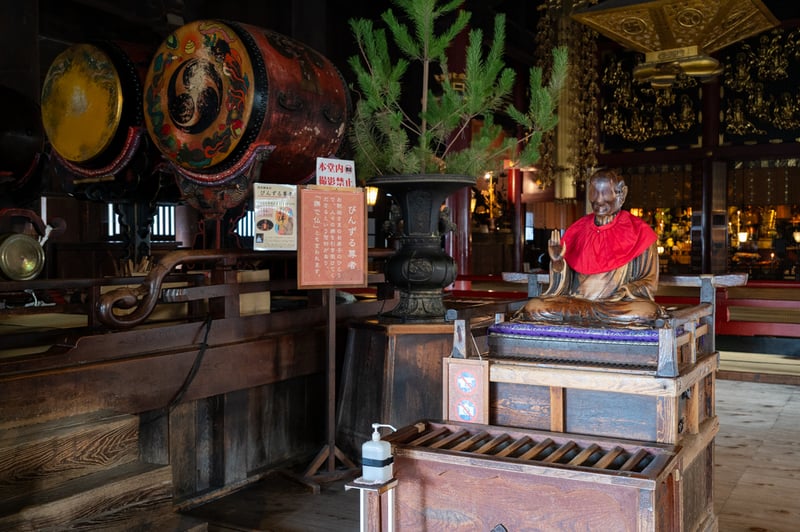
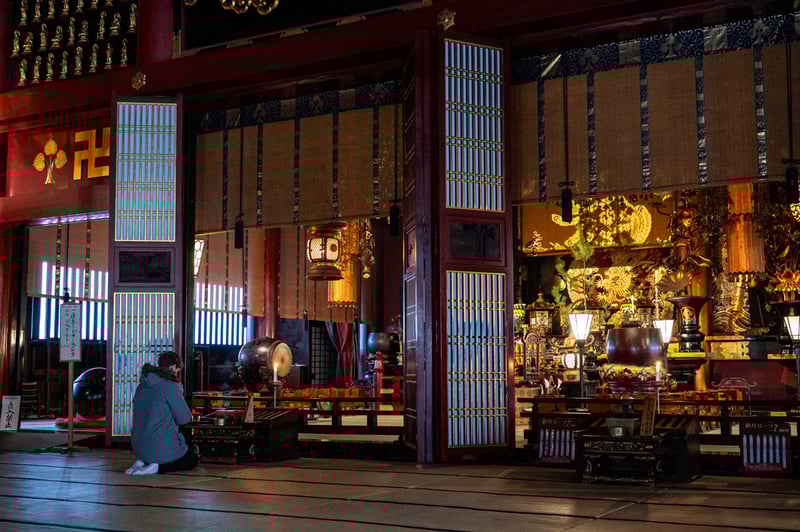
Standing atop a hill in central Nagano City surrounded by imposing gates and countless temple lodges is Zenkoji Temple. Founded nearly 1,400 years ago, it enshrines one of the oldest Buddhist icons brought from India to Japan, and for centuries, pilgrims have traveled here to pray for their health, happiness and rebirth in the Pure Land.
Each morning, the head priests of the Daikanjin and Daihongan temples walk to the main hall of Zenkoji for the Oasaji service. If you line up before the service begins, the head priest will bless you with their juzu beads.
You can purchase tickets to the pitch-black passage below the main hall, to climb the sanmon gate or to the sutra repository.
Day 2: Cycle through Historic Matsushiro
Start the day off early at Zenkoji to see its daily Oasaji morning service before heading to Matsushiro for cycling around its historical sites and the former battlefield of Kawanakajima.
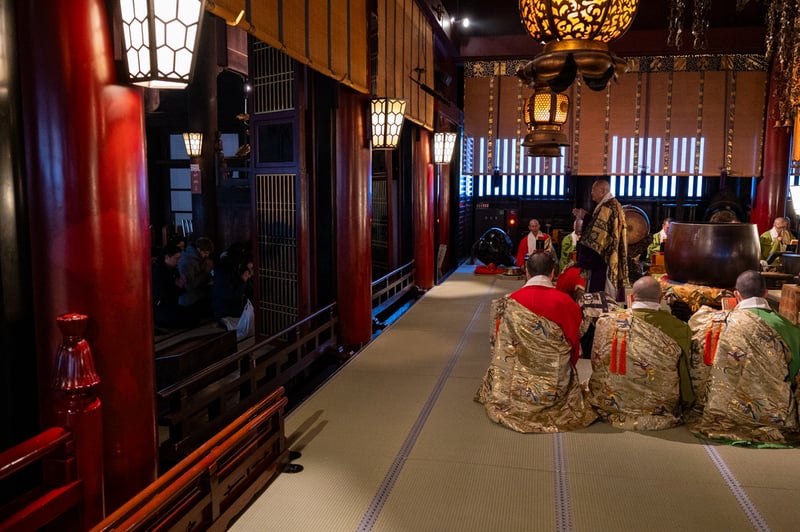
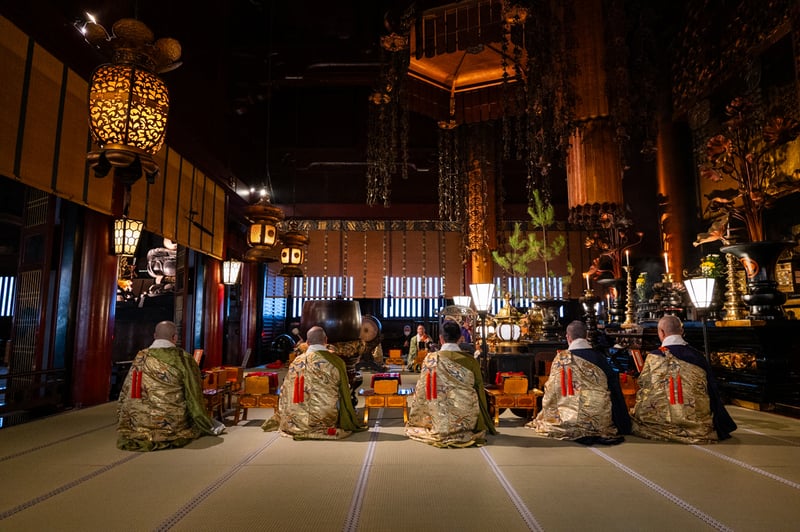
Start the day early with Zenkoji’s Oasaji morning service, a deeply atmospheric ritual held at dawn. As incense drifts through the cool morning air and monks chant softly, visitors experience a quieter, more intimate side of the temple. The early start also suits active travelers, leaving the rest of the day open for exploration.
After breakfast, head south to Matsushiro, a former castle town once ruled by the Sanada clan. In addition to the remains of Matsushiro Castle and the Matsushiro Literary and Military School, old samurai residences dot the quiet townscape.
Rent a bicycle from the Matsushiro tourism association to explore its historic sites and ride through its countryside scenery.

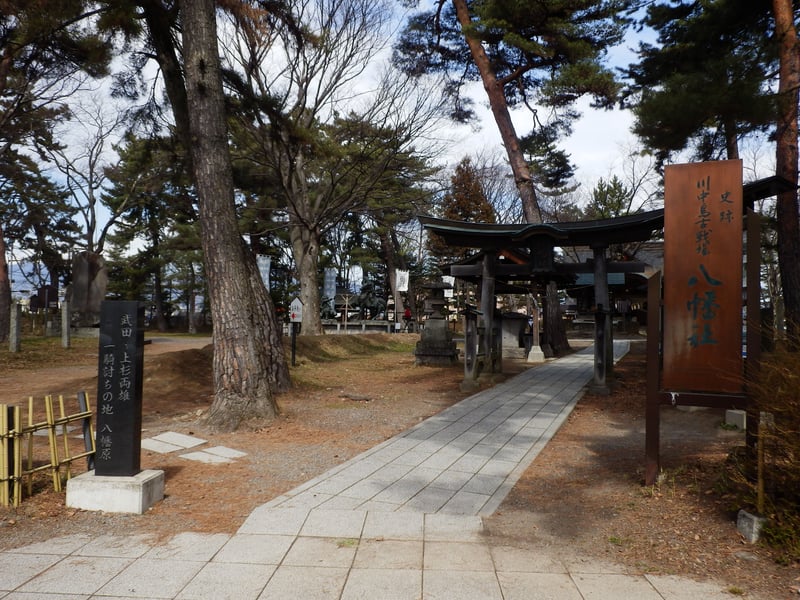
The ride to the Kawanakajima Old Battlegrounds follows mostly flat roads through rural scenery, with distant alpine ridgelines as your backdrop. A series of five skirmishes between Takeda Shingen and Uesugi Kenshin during the Warring States Period in the 16th century, the largest of which occurred here. A life-sized statue depicting the two daimyo lords engaging in single combat stands before the Hachiman Shrine in the corner of the park.
Despite its violent past, the park feels peaceful and expansive. Open fields, riverside paths, and interpretive signs make it an enjoyable outdoor stop, especially in spring when over 100 somei yoshino cherry blossoms bloom around the park.
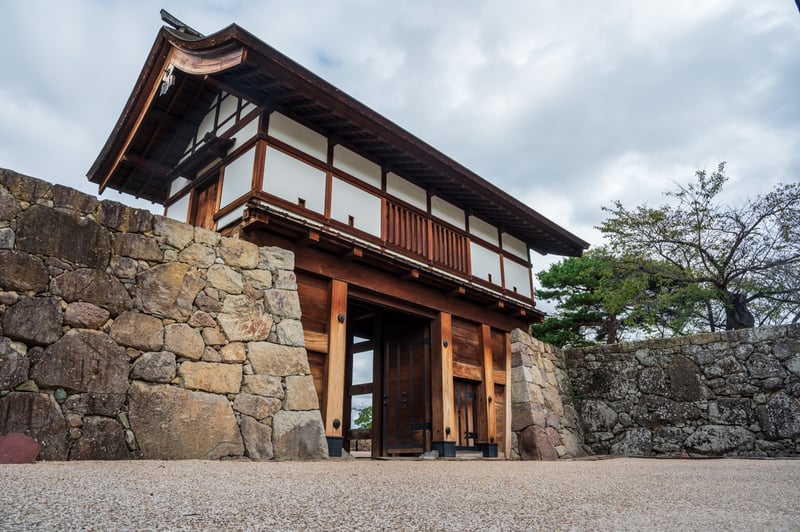
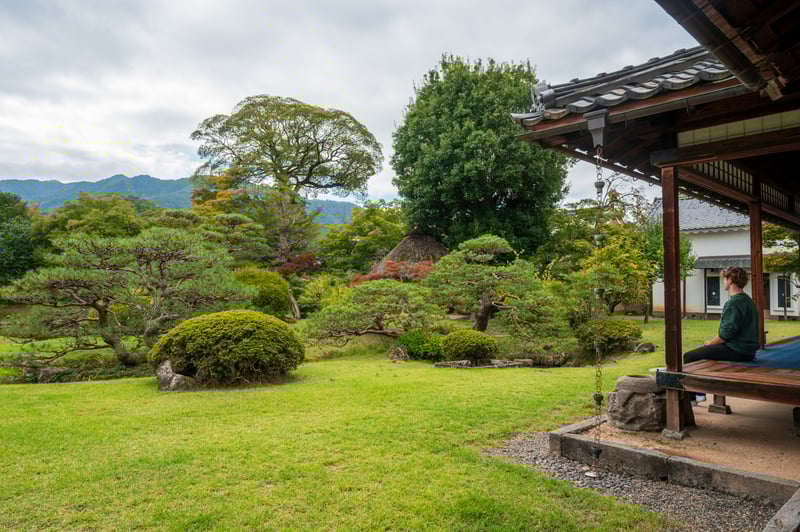
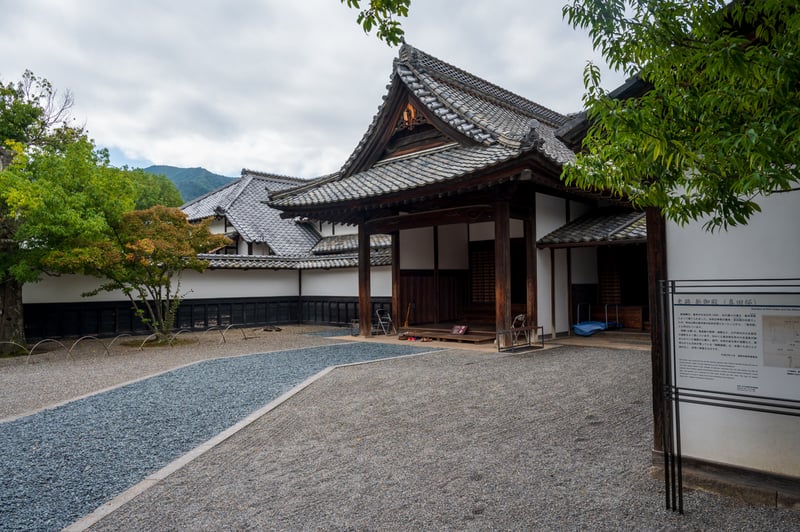
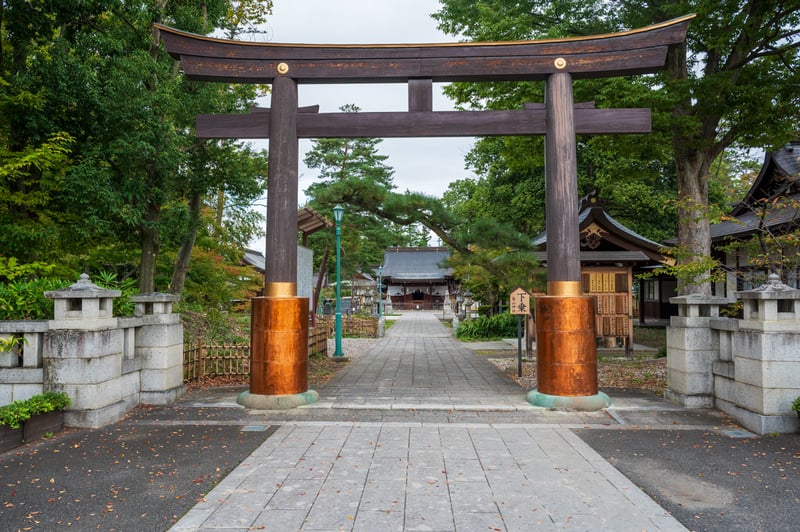
Returning to Matsushiro, continue exploring on two wheels. Highlights include the Sanada Residence, once home to the ruling clan; Matsushiro Castle ruins, surrounded by grassy grounds perfect for a short walk; Zozan Shrine, dedicated to one of Matsushiro’s prominent academics; and the Matsushiro Military and Literary School, which reflects Japan’s modernization period.
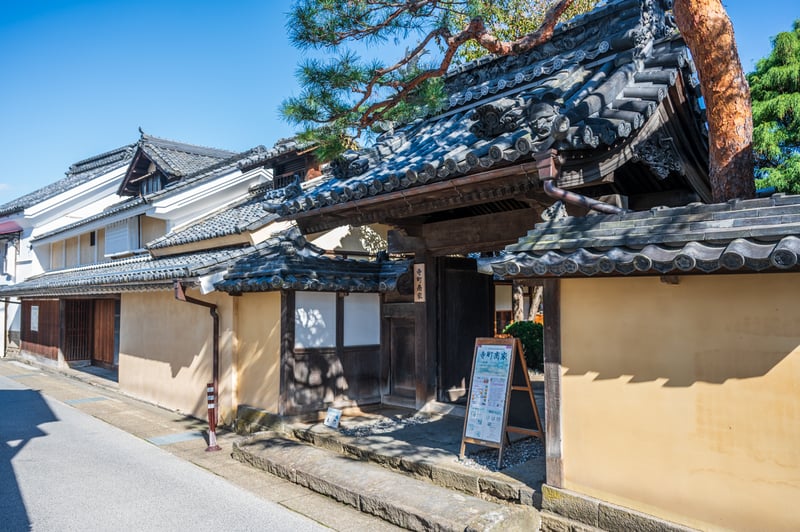
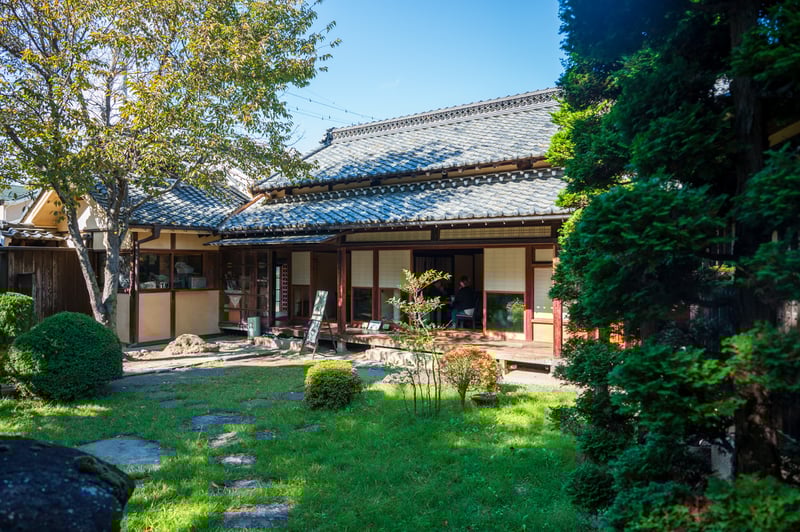
There are several restaurants around town to choose from. You can get udon noodles at Komugitei, Okinawan soki soba at Omusubi Café by Matsushiro Station, or a hearty bowl of curry at Shinkokyu near Zozan Shrine. If you’d like to have lunch at a historical merchant’s residence, then check out Teramachi Shoka. It has a semi-regular lunch service as well as pop-up events throughout the year.
Day 3: Walk through the Forest to the Shrines of Togakushi
Togakushi is a mountain area northwest of Nagano City, famous for its cedar forests, cool summer temperatures, and ancient shrine complex. The journey itself gradually transitions from cityscape to deep green forest, setting the tone for a full day outdoors.
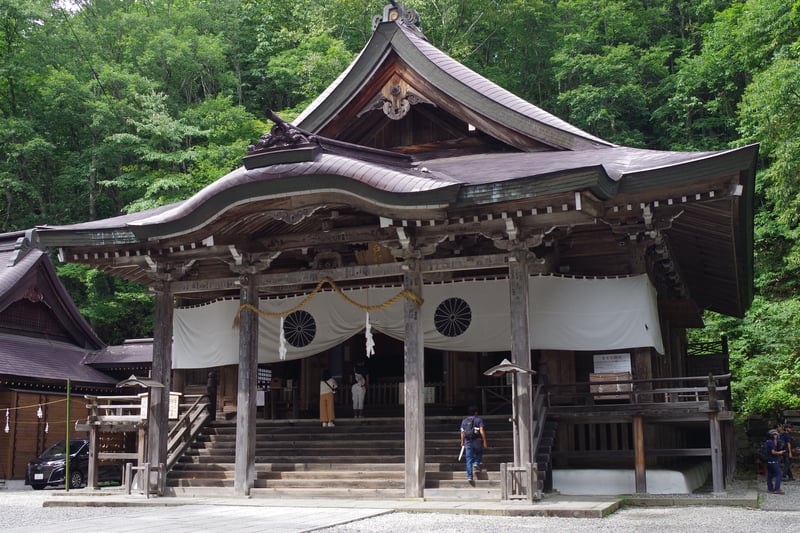
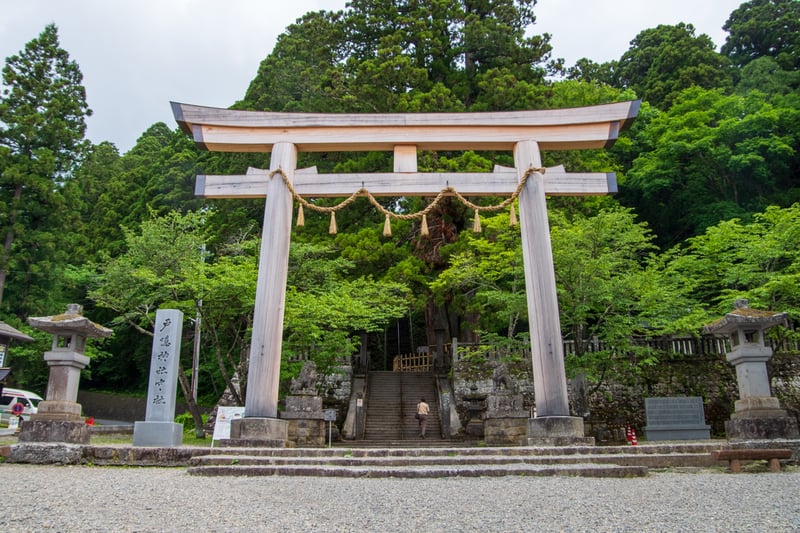
Togakushi Chusha Shrine sits in the middle of the Togakushi area, just above Togakushi’s main street of soba restaurants and bamboo craft shops. The entrance to the shrine is marked by a tall torii gate and three towering cedar trees that are over 800 years old. The elegant but weathered shrine stands atop a steep flight of stone steps, surrounded by tranquil forest.
On the ceiling of the shrine is depicted a dragon, reconstructed from the original painted by the Ukiyo-e artist Kawanabe Kyōsai in the mid-19th century.
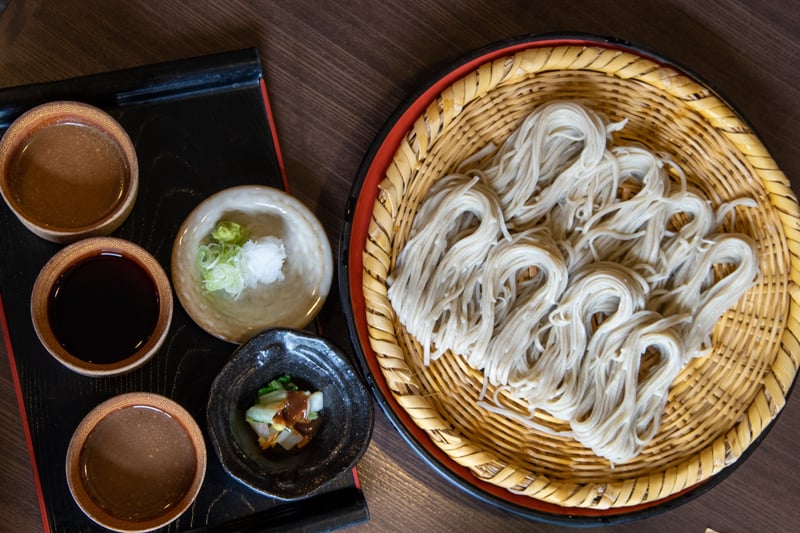
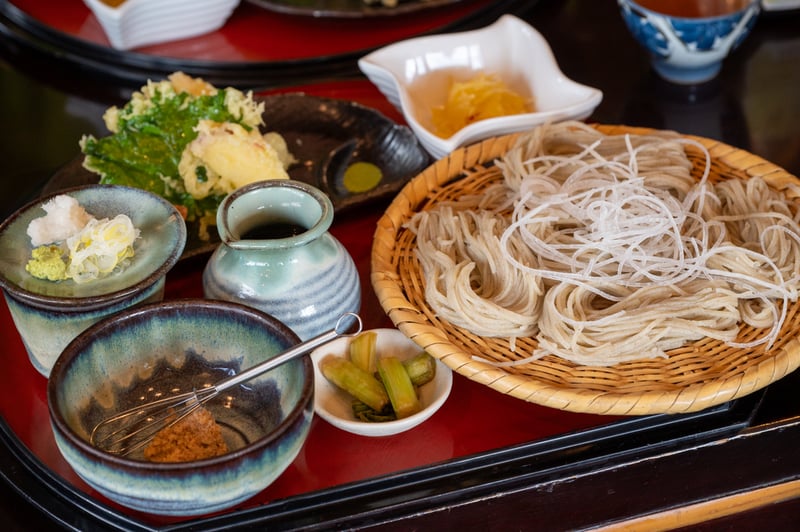
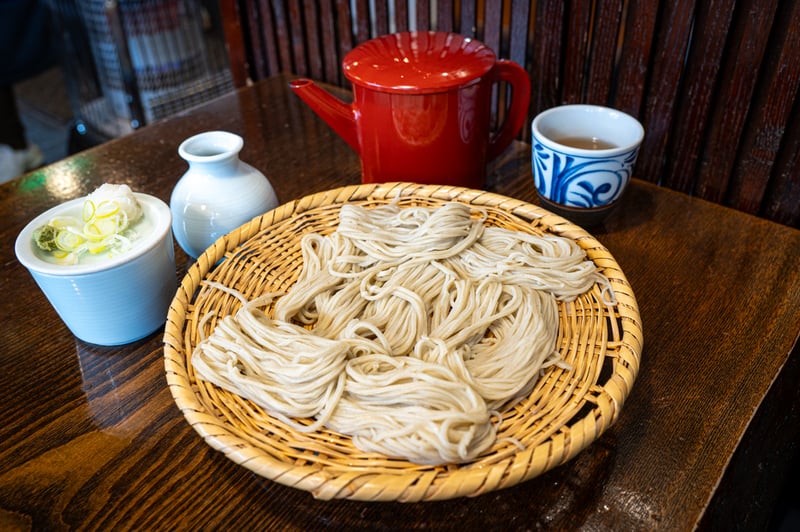
Togakushi is renowned for its handmade soba noodles, traditionally served cold with dipping sauce on the side. Made with locally grown buckwheat, these noodles are tender yet firm and have a nutty aroma. You can pair soba noodles with a plate of seasonal vegetable tempura or sweet soba dumplings.
At the base of the Chusha shrine are some Togakushi’s most popular restaurants, including Yamaguchiya – known for its ninja soba set and beers made with locally grown hops; Niomonya – offering soba sets with a trio of different dipping sauces; and Uzuraya, known for its sobagaki dumplings and kind service.
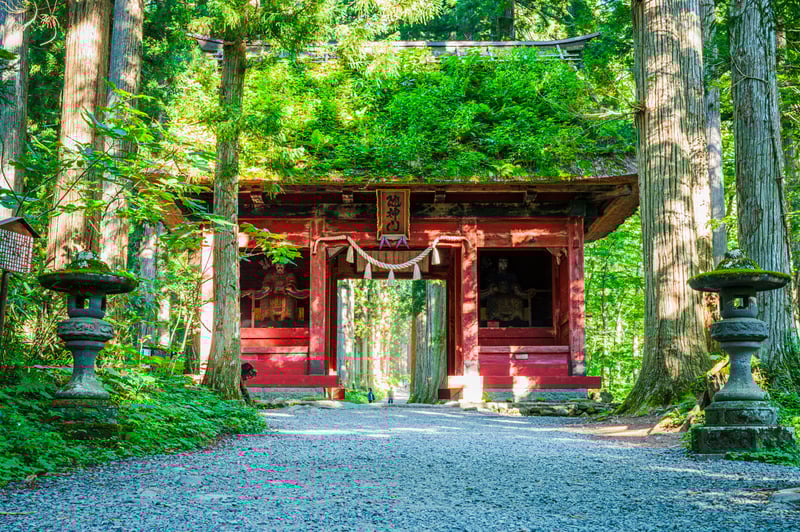
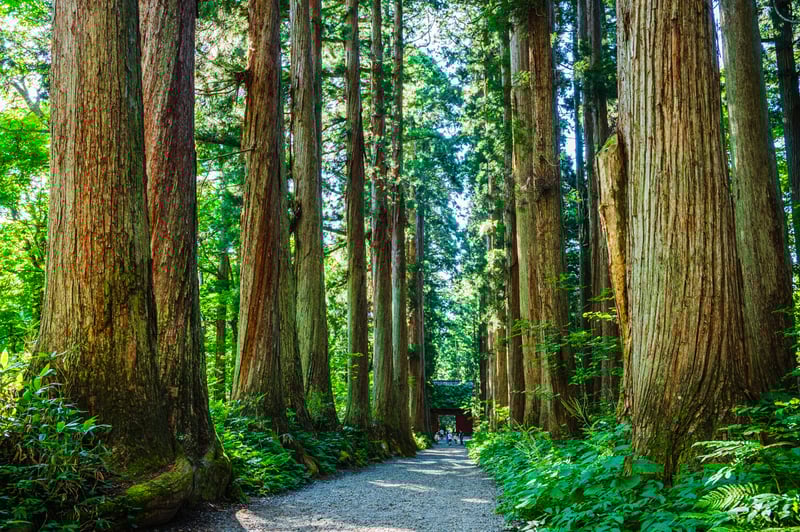
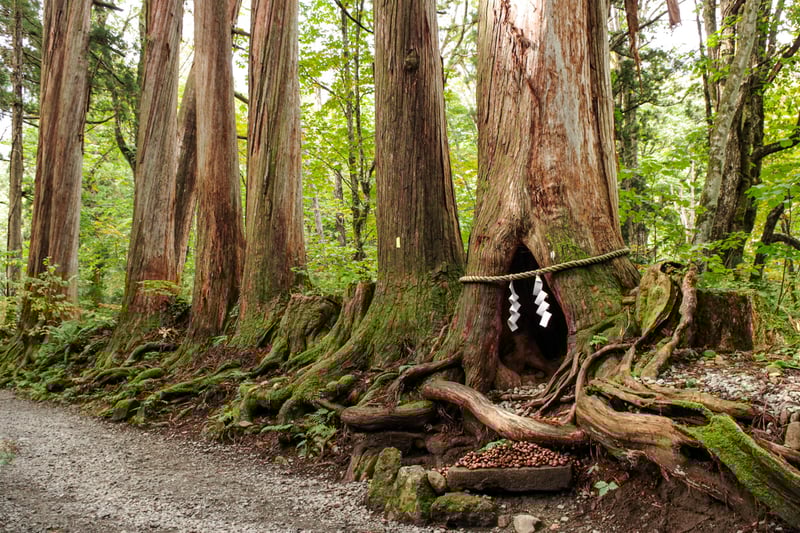
The highlight of the day is the forest approach to the Togakushi Okusha Shrine, one of Nagano’s most iconic outdoor walks. About 40 minutes one way, it takes you through the forest to the base of Mt. Togakushi. Halfway along the trail from the torii gate to the shrine, you come upon the Zuishinmon Gate, whose red hue contrasts strikingly with the surrounding greenery in summer and carpets of snow in winter. The highlight of the walk is just beyond: towering rows of 400-year-old cedar trees that flank the trail.
The trail is relatively flat and easy-to-walk up to the Zuishinmon Gate and the lane of cedars, becoming steeper for the last quarter as it approaches the Okusha Shrine.
Day 4: See the Works of Katsushika Hokusai in Obuse
On your final day, head to Obuse to the see the works of famous Ukiyo-e artist Katsushika Hokusai and take in the merchant town’s charm. Stop by one of Obuse’s many cafés or restaurants for a short rest before heading on to your next destination.
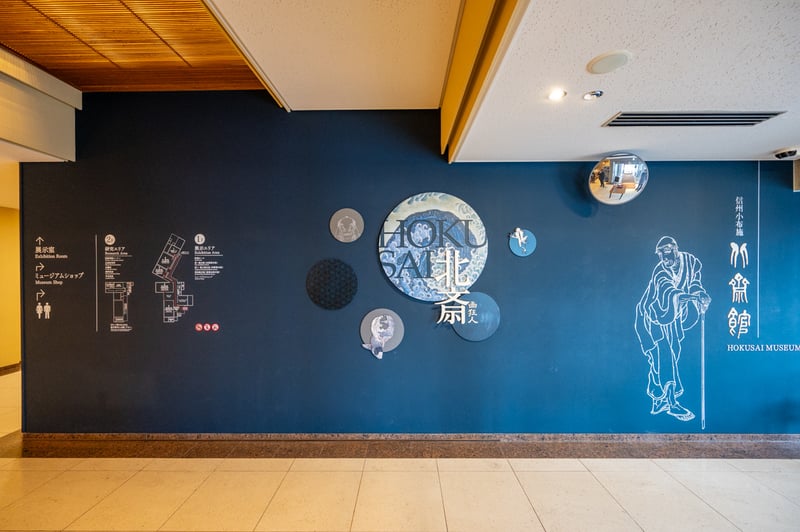
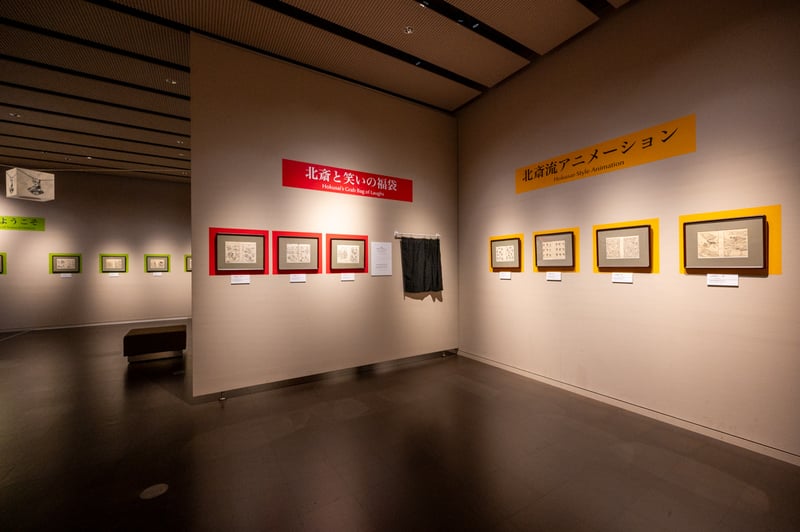
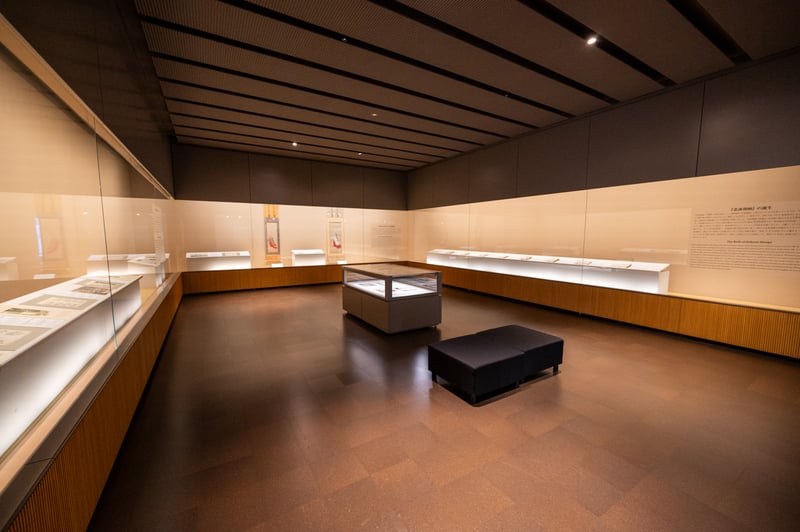
The Hokusai-kan Museum celebrates the famous ukiyo-e artist Katsushika Hokusai, who temporarily stayed in Obuse during his later years. The museum’s modern architecture contrasts beautifully with the surrounding greenery—or snow, depending on when you visit. Its collection features two festival carts with ceiling paintings by Hokusai, many other original paintings, scrolls and woodblock prints. The festival carts are on permanent exhibition, while other pieces in the collection rotated in and out as part of special exhibitions.
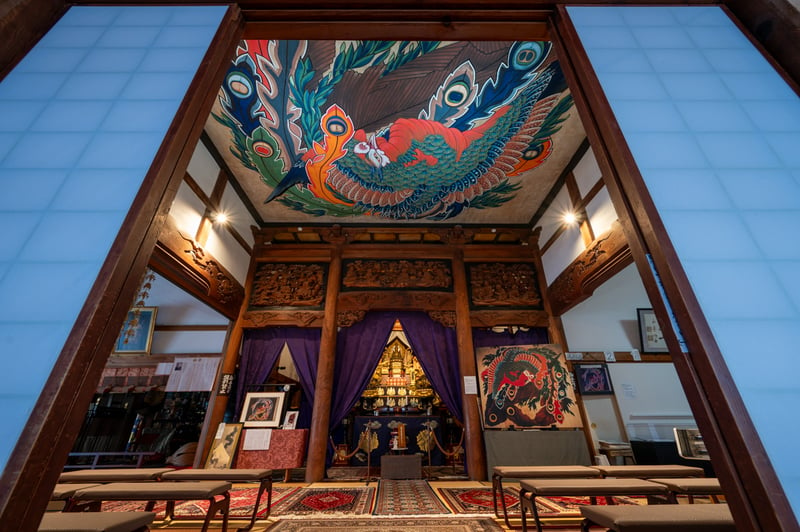
There is also a recently renovated playroom for young children and a museum shop with Hokusai-themed souvenirs to bring back home. A short walk leads to Ganshoin Temple, home to Hokusai’s ceiling painting, “Happō Nirami Ho’oh-zu (Phoenix Glaring in All Directions).” The vibrant colors seem almost new.
Access
From Obuse Station, walk 10–15 minutes to the museum, then another 15 minutes to Ganshoin Temple.