

Zenkoji Temple has long been a popular historic detour with pilgrims traveling from Edo (modern-day Tokyo) to Kyoto along the Nakasendo Trail. Nowadays, the temple is not just a destination for people seeking spiritual services, it is also a must-visit for those visiting Nagano.
Legend says that when Buddhism was first introduced to Japan around 1,500 years ago, the first Buddha statue in Japan arrived along with it. Some did not welcome the new religion with open arms, considering it encroaching on Japan’s native religion of Shintoism, and in the ensuing conflict, the original statue was thrown into a river by the Mononobe clan. Zenkoji’s founder, Yoshimitsu Honda, later rescued it and brought the statue to then Shinano Province (modern-day Nagano Prefecture), where Zenkoji was built in 644. The temple has moved several times since then, but the statue has remained hidden in the temple ever since and is known as one of the oldest Buddhist icons in Japan.
Zenkoji Temple Travel Guide
Location and Access
Located in Nagano City, Zenkoji Temple is accessible on foot or by bus from JR Nagano Station.
On foot
It’s about a 30-minute walk north from JR Nagano Station.
By Bus
Catch a bus bound for Zenkoji Temple from Bus Stop #1 in front of the Zenkoji Exit of JR Nagano Station to Zenkoji Daimon Bus Stop. From there, it is approximately 8 minutes on foot to the main hall of Zenkoji.
By Car
Get off at the Nagano IC Exit of the Joshin-etsu Expressway and drive for about 30 minutes to central Nagano City. Park your car at one of the parking lots around the temple (approx. 500 yen for 2 hours).
When to Visit
Zenkoji Temple is open throughout the year and can be visited at any time with various seasonal highlights. From mid-April to late April, cherry blossoms bloom around the temple and neighboring Joyama Park. From late June to late July, you can see hydrangeas in the temple garden. Then from mid- to late November, golden gingko and vermillion maple leaves can be seen throughout.
Events at Zenkoji
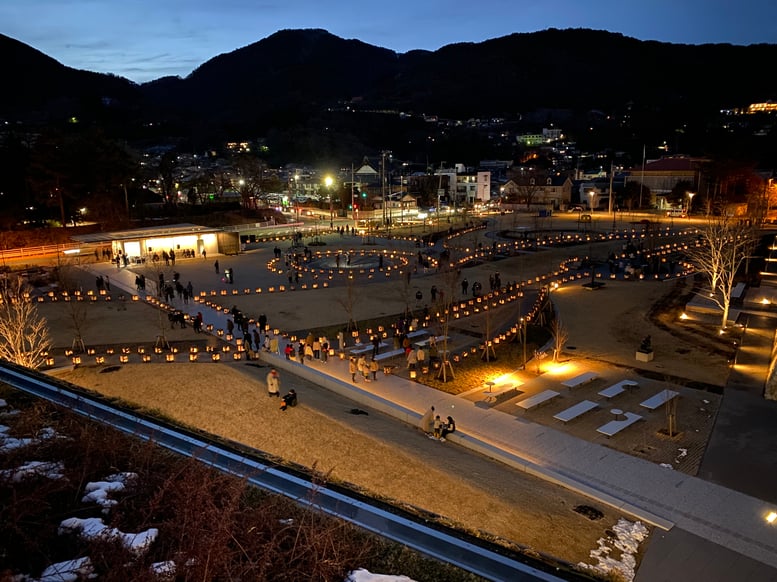
Throughout the year, Zenkoji hosts several events, the most notable of which is the Nagano Tomyo Lantern Festival, commemorating the 1998 Nagano Winter Olympics, held in mid- to late February. During the event, the temple is bathed in the Olympic colors and Joyama Park is decorated with incandescent lanterns.
Held once every six years in spring, Zenkoji Gokaicho is a two-month event where a replica of Zenkoji’s hidden Buddhist icon, said to be the first brought to Japan, is put on display. The next Gokaicho will be held from April 4th to June 19th, 2027.
Things to do around Zenkoji
In addition to visiting the temple itself, visitors can take part in an array of spiritual traditions, whether it’s joining a morning service, experiencing zazen meditation, or staying in a temple lodge and enjoying authentic shojin ryori cuisine - a staple for Buddhist monks. The street leading up to the temple is also filled with restaurants, souvenir shops and various hands-on cultural activities that allow you to bring home something meaningful from your visit to Zenkoji Temple and Nagano City.
Visit Zenkoji Temple
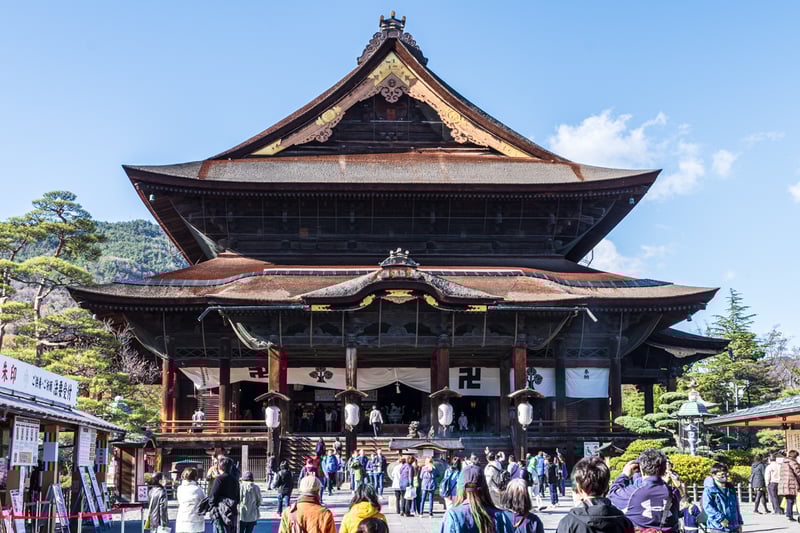
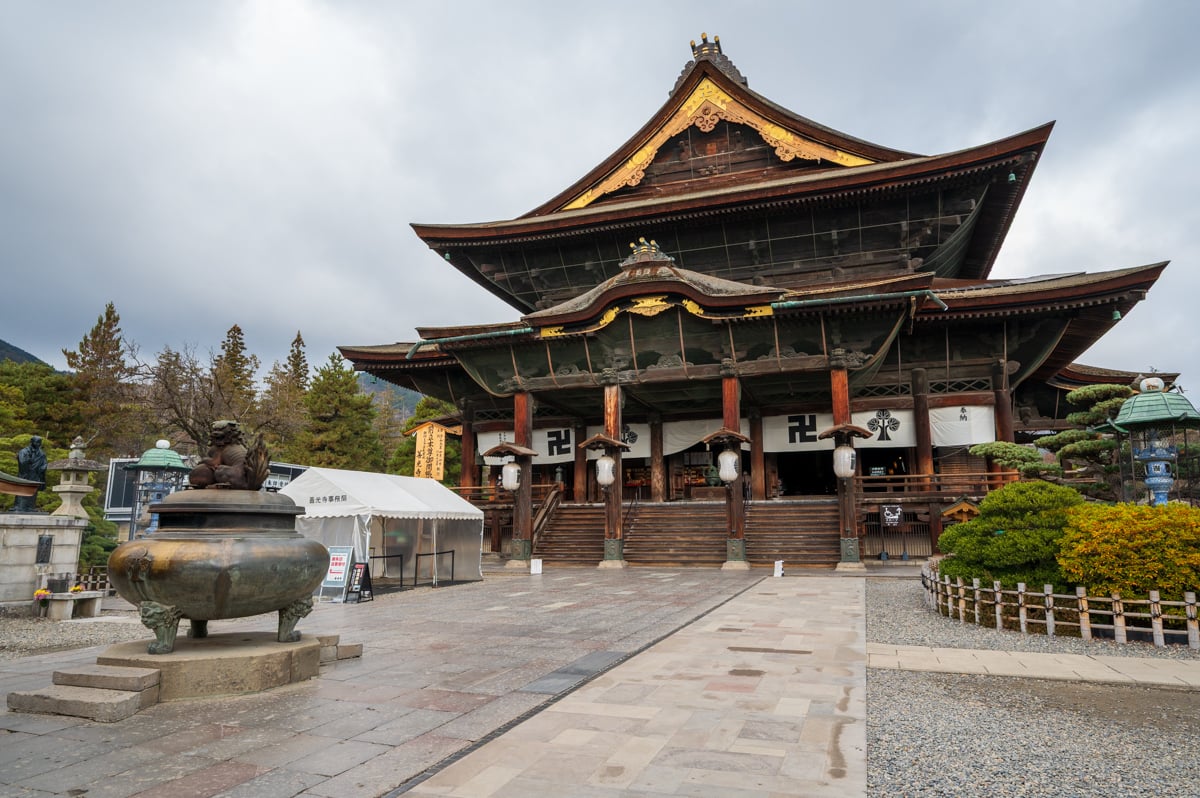
The main hall of Zenkoji Temple
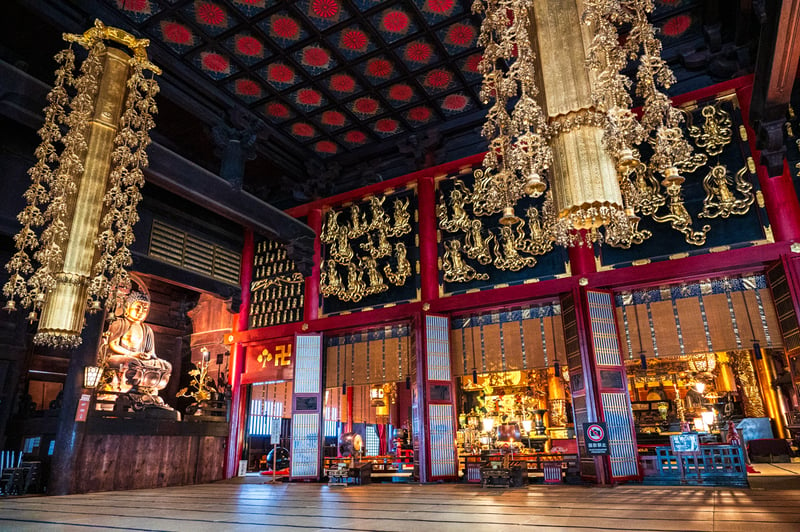
Above the wall separating the main hall's naijin and nainaijin areas, glittering, golden statues of 25 Bodhisattvas and 100 Kannon greet visitors to the temple.
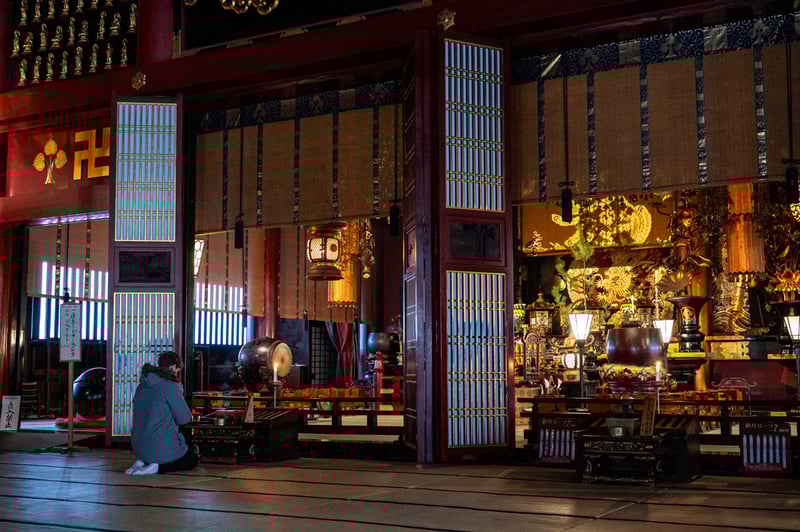
Praying at the altar in the naijin area of the temple. Beyond the series of curtains in the distance rests Zenkoji's hidden Buddhist icon.
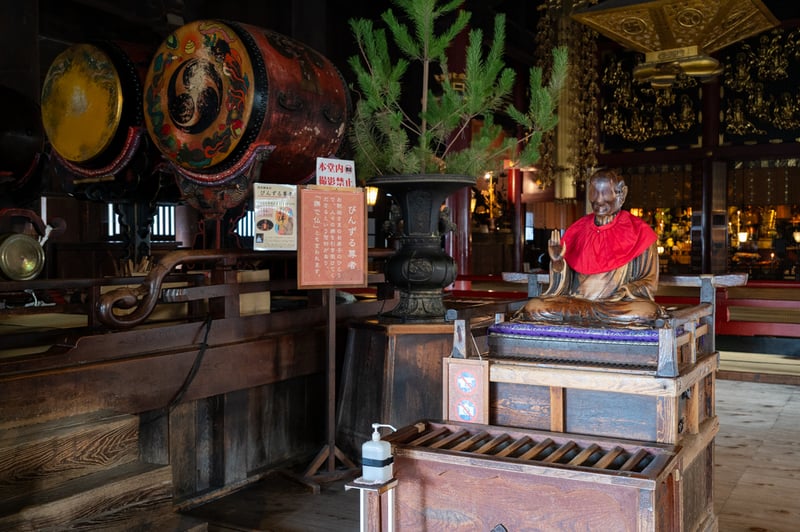
At the entrance to the main hall is a statue of Binzuru, one of the disciples of Siddharta Gautama and known for his healing powers. Visitors rub the statue where they wish to be healed. Over the years, the statue's facial features have been worn away.
Walk along the stone-paved street and pass through the splendid Niomon and Sanmon gates on the approach to Zenkoji Temple. The main hall, relocated here in 1707, is one of the largest national treasure wooden halls in all of Eastern Japan.
The dark interior is adorned with statues, large ceremonial drums and gilded, hanging ornaments. A wall with red-painted columns and a motif of golden boddhisatvas separates the sitting space (naijin) from the Buddhist altar. Behind the altar on the leftmost side, several curtains cover the temple’s Buddhist icon.
For a small fee, you can enter the naijin sitting area and descend into the dark corridor of the kaidan meguri. After paying your respects before the altar, take the stairs down to the underground passage located under the main hall. Once inside, you are in complete darkness, only able to move forward by touching the wall beside you. Somewhere along the path, you’ll find the “Key of Enlightenment,” a metal latch fixed directly below the temple’s hidden Buddha statue. Touching the latch is believed to create a direct connection with the hidden Buddha statue of Zenkoji and bring good fortune.
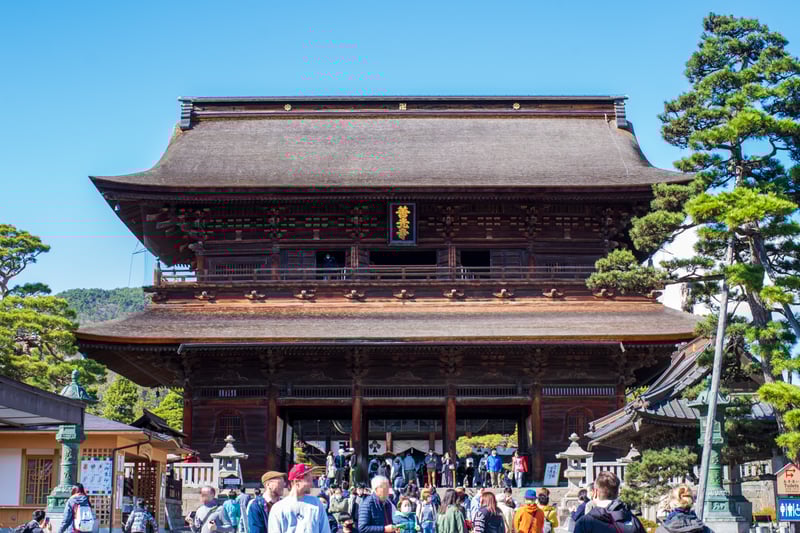
The Sanmon gate in front of Zenkoji's main hall
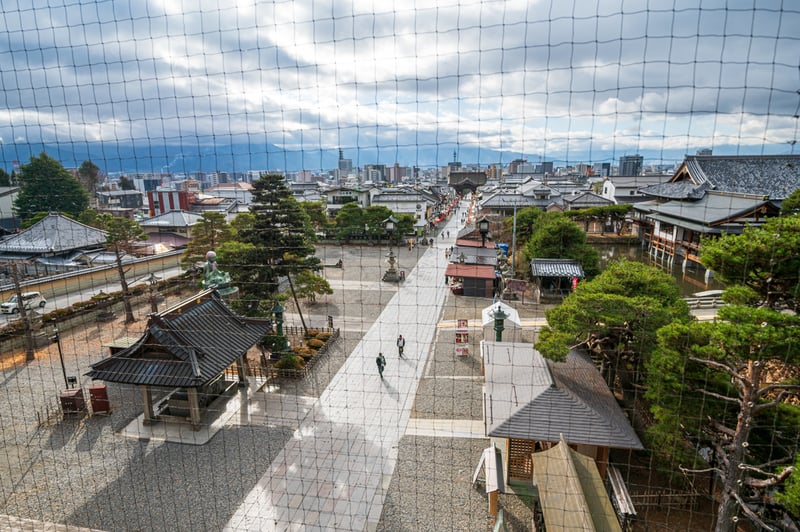
Views of Nakamise-dori Street and the cityscape of Nagano from atop the Sanmon Gate
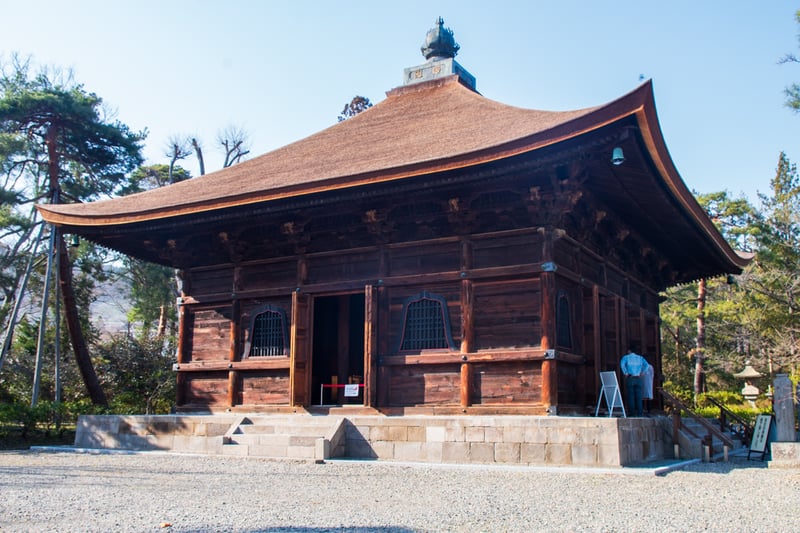
The Kyozo sutra repository to the left of the main hall
You can also climb up the Sanmon gate for expansive views of Nagano City as well as Zenkoji Temple.
Left of the gate is the Kyozo, a sutra repository that stores a complete collection of 6,771 volumes of Buddhist scriptures. In the center of the room is an octagonal holder full of sutras, weighing about 5 tons. Give it a push and fully rotate it once clockwise and you will receive a blessing akin to reading entire scriptures.
Adults H.S. student E.S. student Toddlers All Buildings 1,200 yen 400 yen 100 yen free Zenkoji Naijin and Kaidan Meguri 600 yen 200 yen 50 yen free Sanmon Gate 600 yen 200 yen 50 yen free Kyozo sutra repository 300 yen 100 yen 50 yen freeSpiritual Experiences (Zazen, Sutra Copying and Mawarigoma)
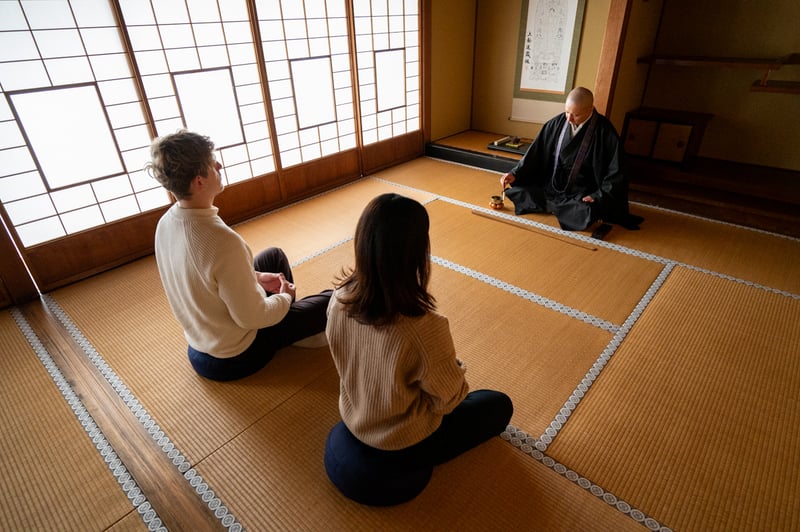
Zazen meditation
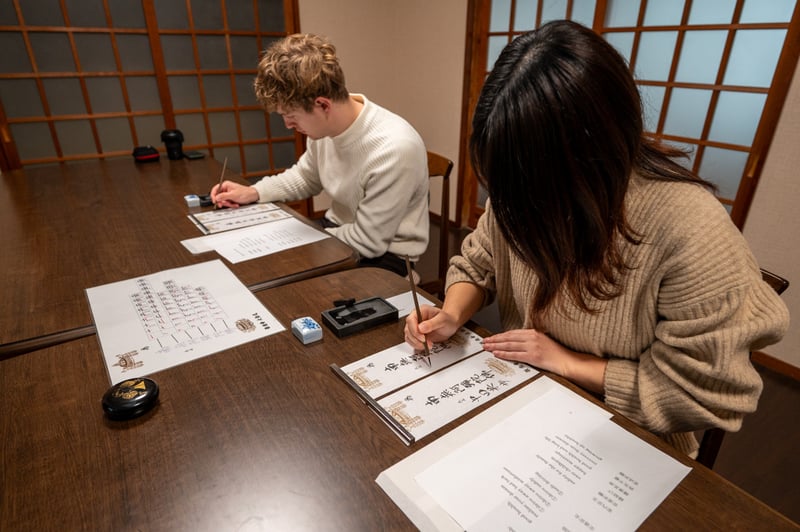
Sutra copying
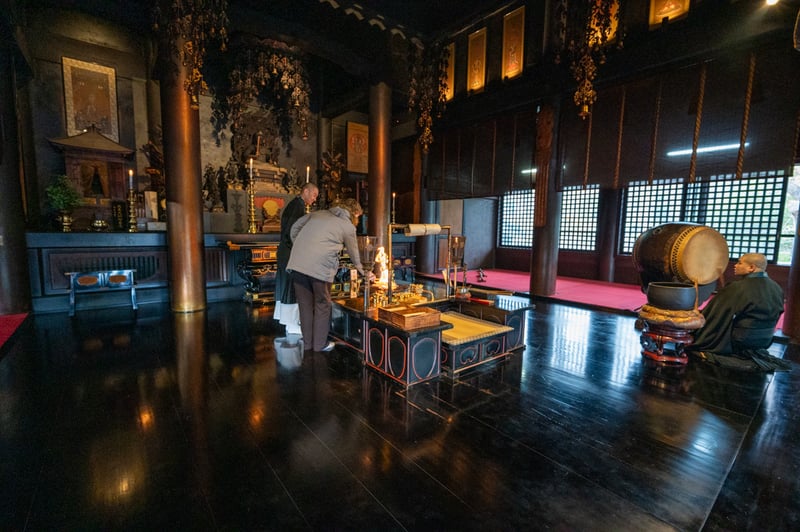
The Mawarigoma ritual altar
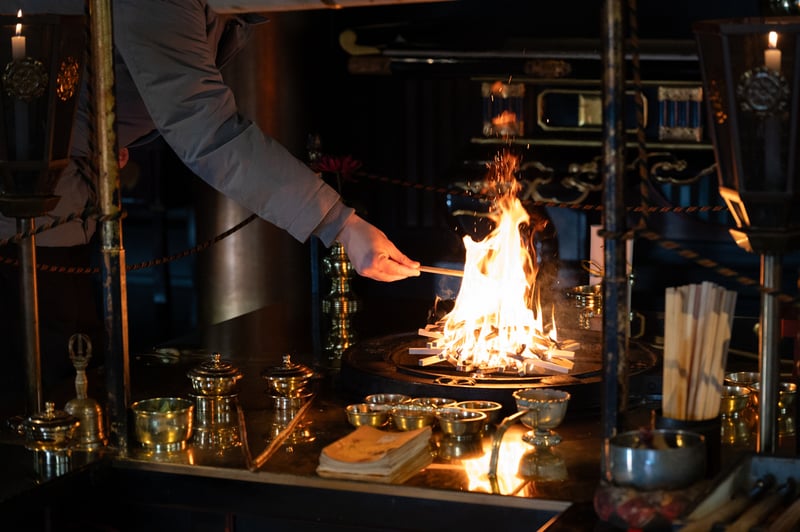
Throwing a wish into the fire as part of the Mawarigoma ritual
At the Daikanjin of Zenkoji Temple, you can rid yourself of the stresses of everyday life by relaxing your body and mind through Buddhist meditative experiences like Zazen Meditation, Sutra Copying and Mawarigoma.
Zazen Meditation
Also known as seated meditation, Zazen is a Buddhist practice that goes back centuries. You sit inside a tatami-laid hall while monks guide you through posture, breathing, and how to focus your mind and body so you can free yourself from thought.
Towards the end of the zazen session, a monk will come over and firmly tap you three times on each shoulder with a wooden slat called a keisaku, helping you to stay awake and relax your back muscles. After the experience is over, you’ll feel refreshed both physically and mentally, and hopefully, be able to meditate in the zazen style on your own in the future.
*Although zazen meditation traditionally takes place on large cushions on the floor, chair-seated meditation is also available.
Sutra Copying
Another meditative experience at Daikanjin is sutra copying. A monk will guide you step by step through the entire process. It begins with cleansing your body with powdered incense. Then preparing your own ink by grinding charcoal and mixing with water. Finally, let your hand and brush flow in harmony across the paper as you complete the sutra. Once completing two sutras, one is given to the monks of Daikanjin and the other you can take home with you.
Mawarigoma
In this short but powerful ritual, Mawarigoma is a fire ceremony where you write your wishes on wooden plaques and place them on a fire. The rising smoke created from the burning wish is said to be carried up to a statue of Fudō Myōō—a deity who protects people against misfortune—so that it can be heard and fulfilled. Listen to the constant rhymical drum beat and the chants of a monk as you cast your wish into the fire.
Activities near Zenkoji Temple
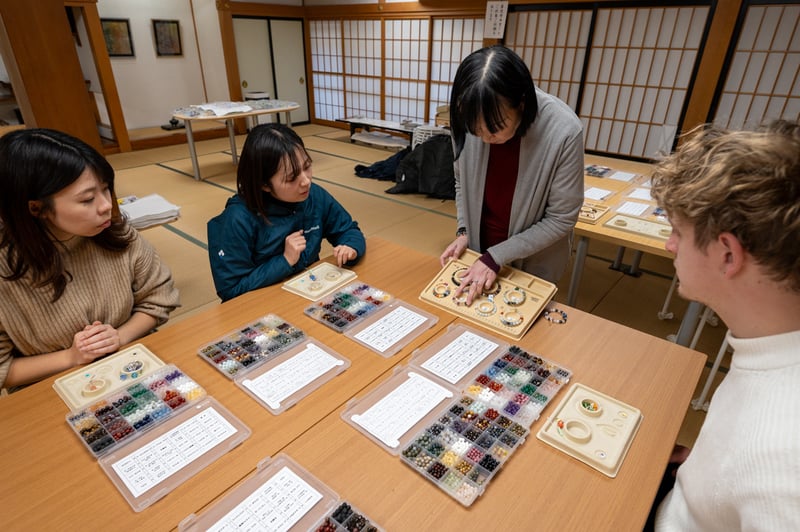
Bead bracelet-making at Galarie Ren, one of Zenkoji's temple lodges
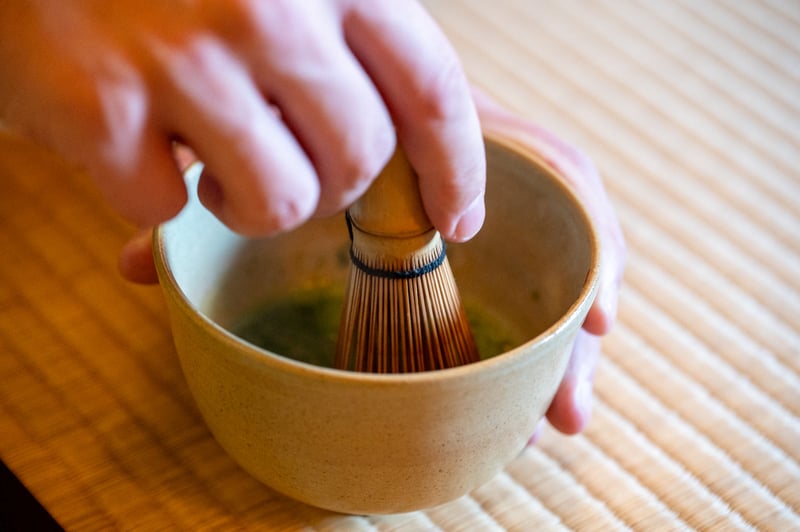
Making matcha tea at the teahouse next to Zenkoji Pudding
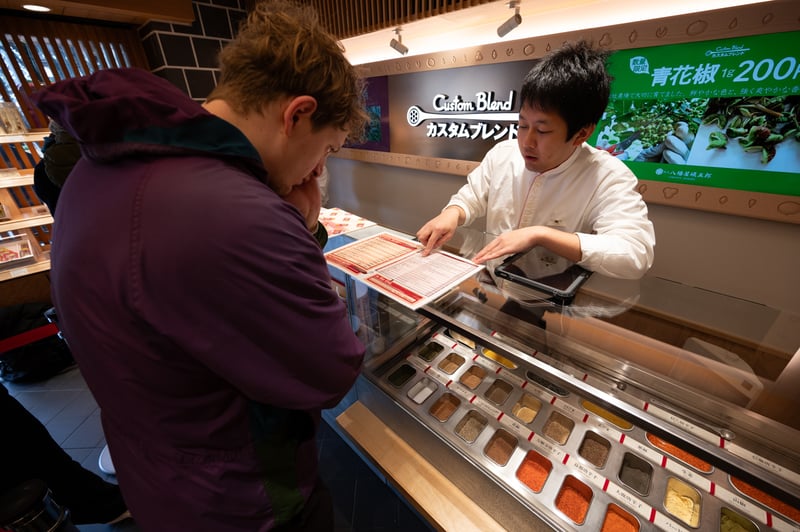
Creating a unique spice blend at Yawataya Isogoro
Whether you’re going uphill towards Zenkoji Temple or making your way back down, there’s plenty of charming shops and experiences worth stopping by for along Nakamise Street. Create your very own shichimi spice blend at Yawataya Isogoro, mixing classic ingredients or even inventing your very own. Head to Zenkoji Pudding to take part in a relaxing traditional matcha tea ceremony led by an English-speaking tea master. Make your own oyaki dumplings using local Nagano ingredients at Ogawa no Sho, kneading, filling, and cooking them over a traditional irori hearth. Or how about creating a bracelet inspired by Zenkoji’s Buddhist monk prayer beads at Galarie Ren. Each activity can be done in a short time and is a fun way to interact with locals and the culture they hold.
Stay in a Shukubo Temple Lodge and Buddhist Monk Cuisine
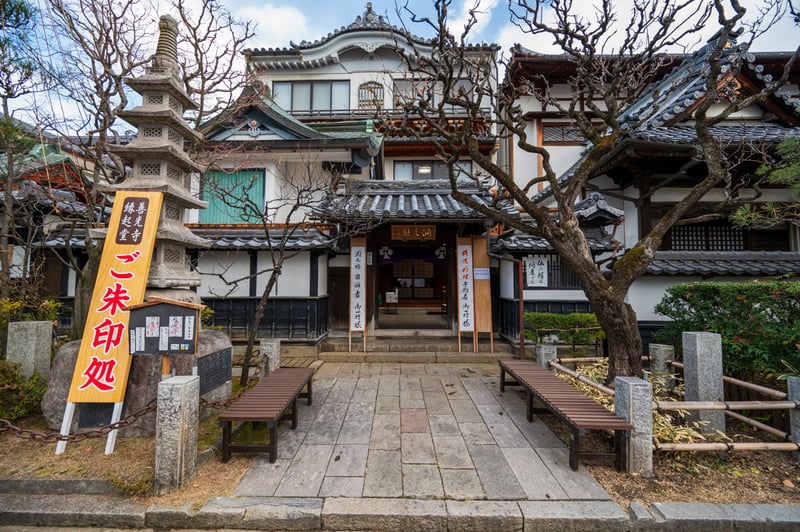
The entrance to the Fuchinobo temple lodge
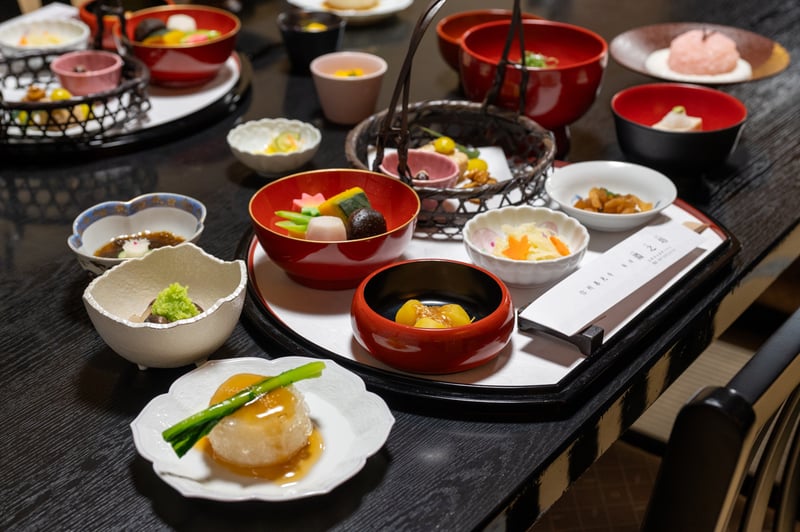
Shojin Ryori cuisine at Fuchinobo
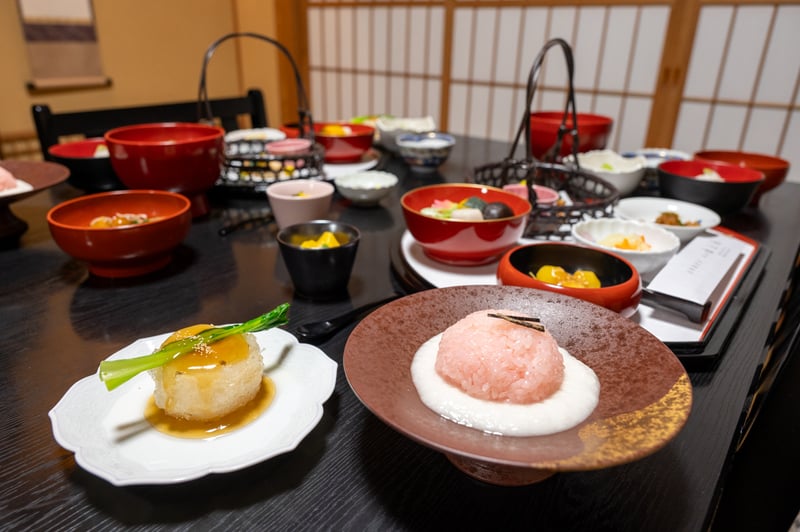
Shojin Ryori cuisine at Fuchinobo
There are a total of 39 shukubo lodges which accommodated pilgrims visiting the temple. Today, many of them welcome all travelers interested in learning more about Zenkoji. You can spend the night in a traditional Japanese tatami room, taste traditional Buddhist cuisine and experience the daily regiments of Buddhist monks.
A highlight of staying at a shukubo is eating freshly prepared shojin ryori. This style of food is standard for Buddhist monks, made without the use of meat, fish, animal products, or even some flavorings such as garlic. Though its description may sound bland, you would be surprised how flavorful it can be—often using seasonal vegetables and unique Japanese ingredients. It is sure to nourish your body and mind while keeping your stomach happy and full. Due to the nature of the cuisine, it is also perfect for vegans and vegetarians alike.
Get up Early to Partake in the Oasaji Morning Service
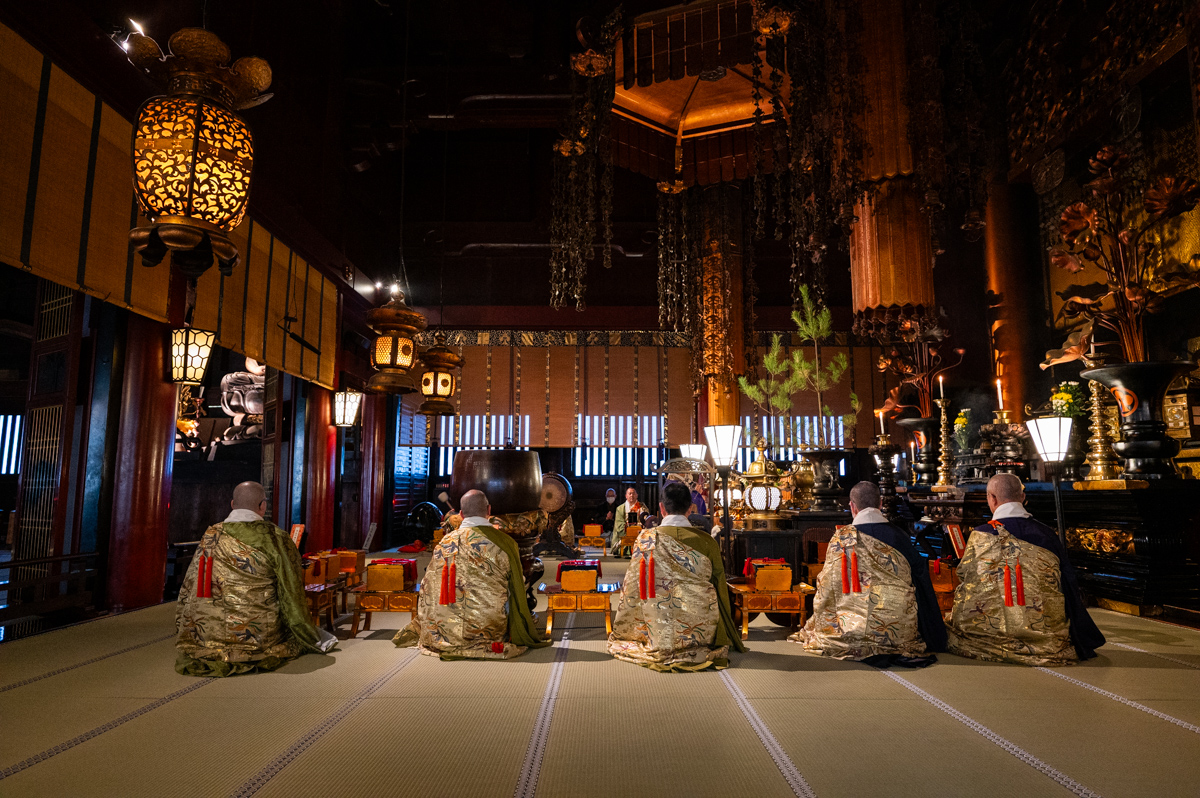
Held every morning throughout the year, Oasaji Morning Service is a ritual held in the main hall of Zenkoji. The service begins at sunrise, earliest at 5:30 am in July and latest at 7:00 am in January. The morning service is two 30-minute sessions, one held by the Daikanjin and another held by the Daihongan monks. Visitors can sit in the naijin of the main hall to pray in front of the alter as the monks perform their rhythmic chants and prayers.
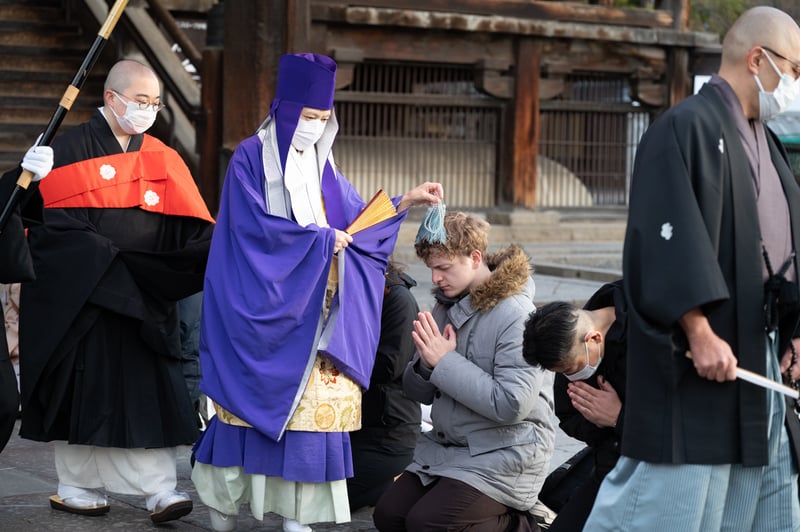
Receiving the juzu-chodai blessing from the head priestess of Daihongan at the end of the Oasaji service
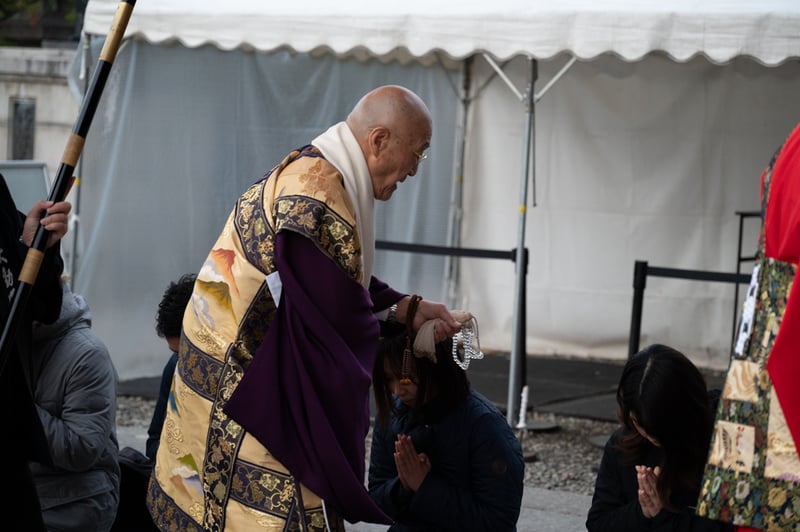
Receiving the juzu-chodai blessing from the head priest of Daikanjin just before the Oasaji service
Furthermore, just before the service begins, grab a spot and kneel down in line in front of the main temple where the head priests of the Daikanjin and Daihongan halls walk on their way to their morning prayers. As they pass by, they touch the heads of visitors with their prayer beads. This ritual is a form of blessing and is known as juzu-chodai.
Nearby sightseeing
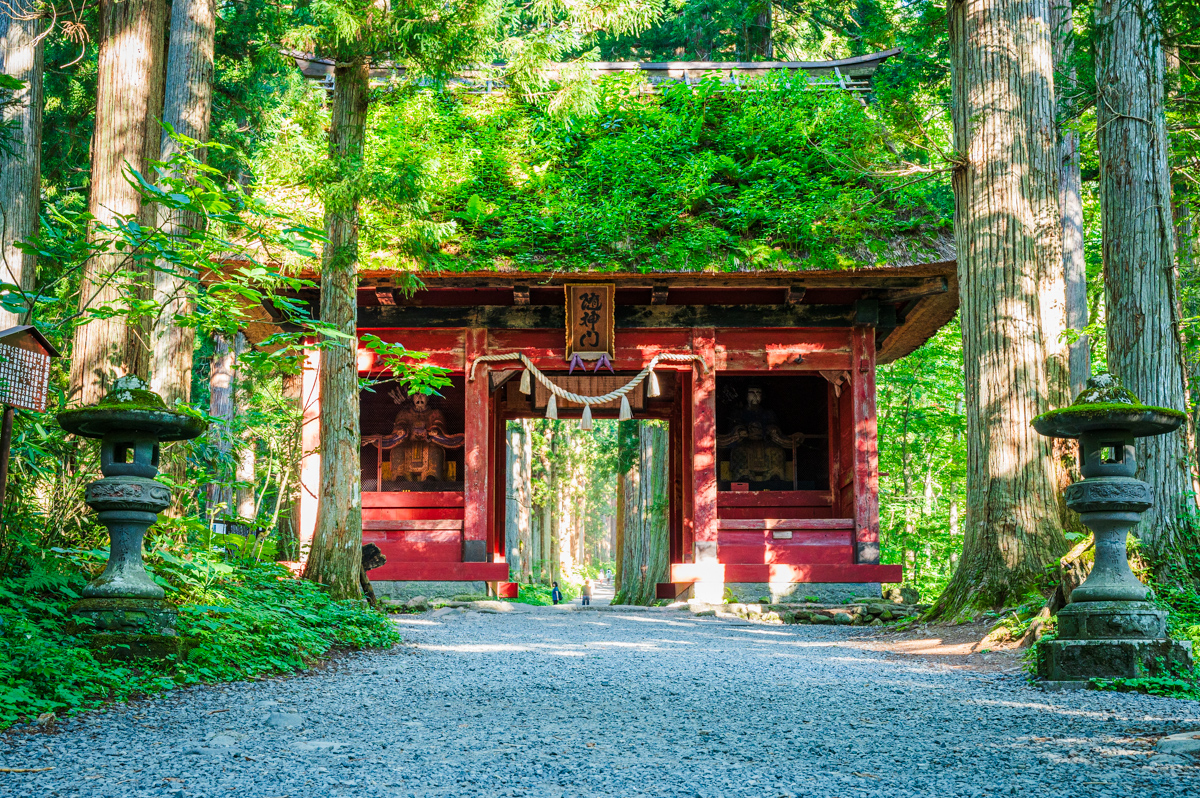
Togakushi
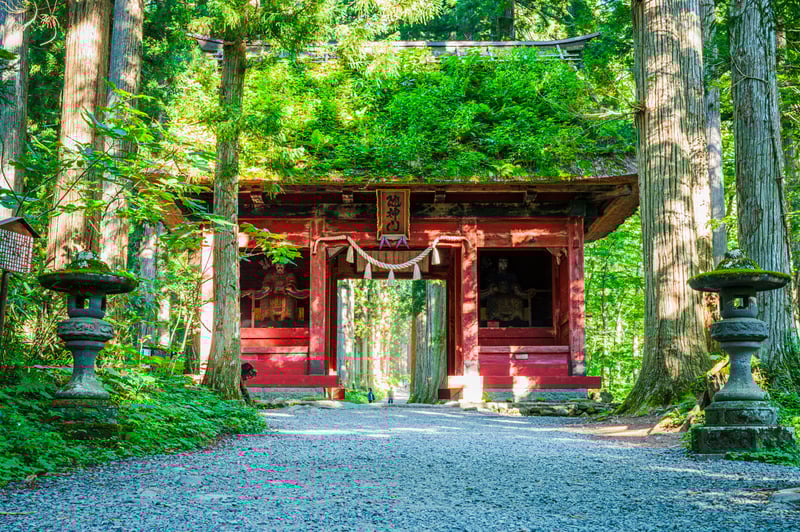
The Zuijinmon Gate along the path to the Togakushi Okusha Shrine
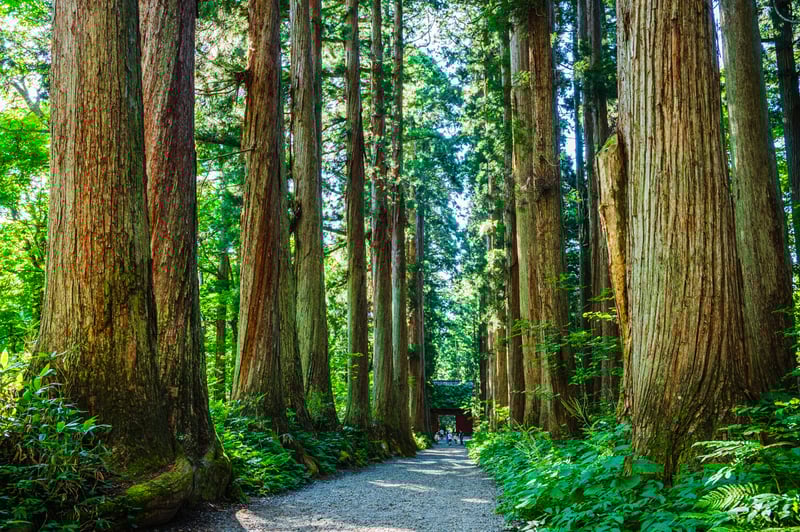
Towering cedar trees beyond the Zuijinmon Gate
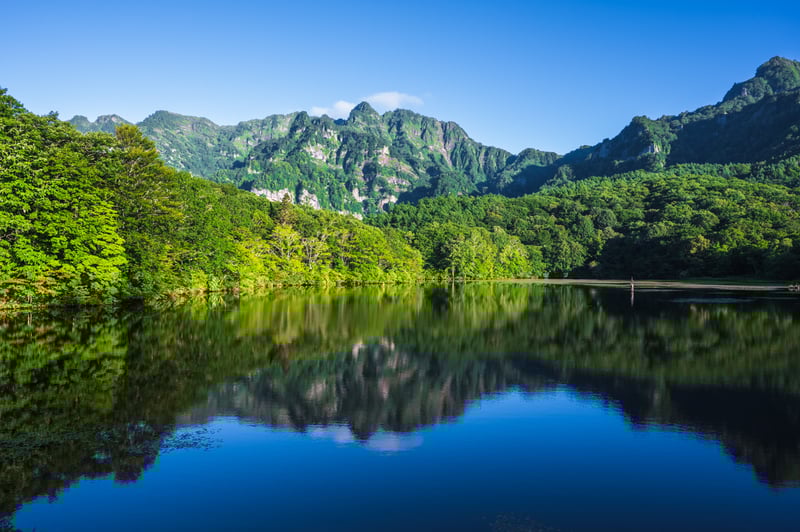
Mirror-like Kagami Pond
Delve deep into the forests to find a series of five shrines deeply rooted in Japanese mythology. Set in the mountains north of Nagano City, its 400-year-old cedar lined trails up to one of the shrines is a highlight. You can also try delicious locally made Togakushi soba noodles here too.
Matsushiro
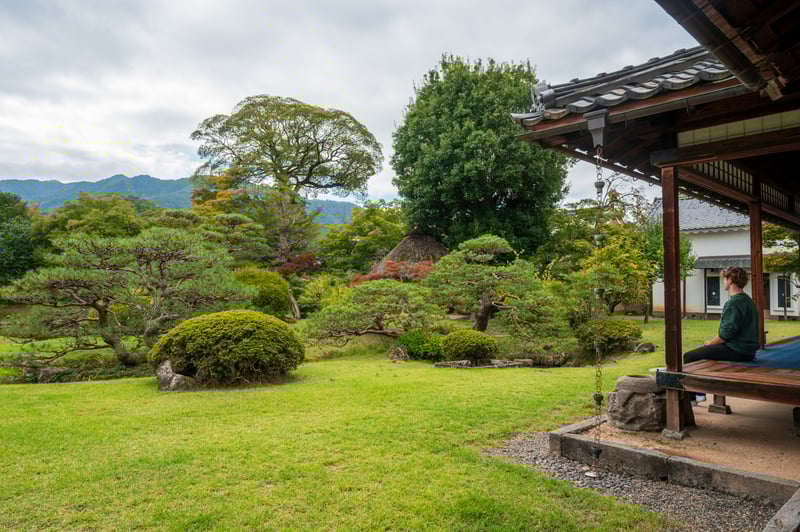
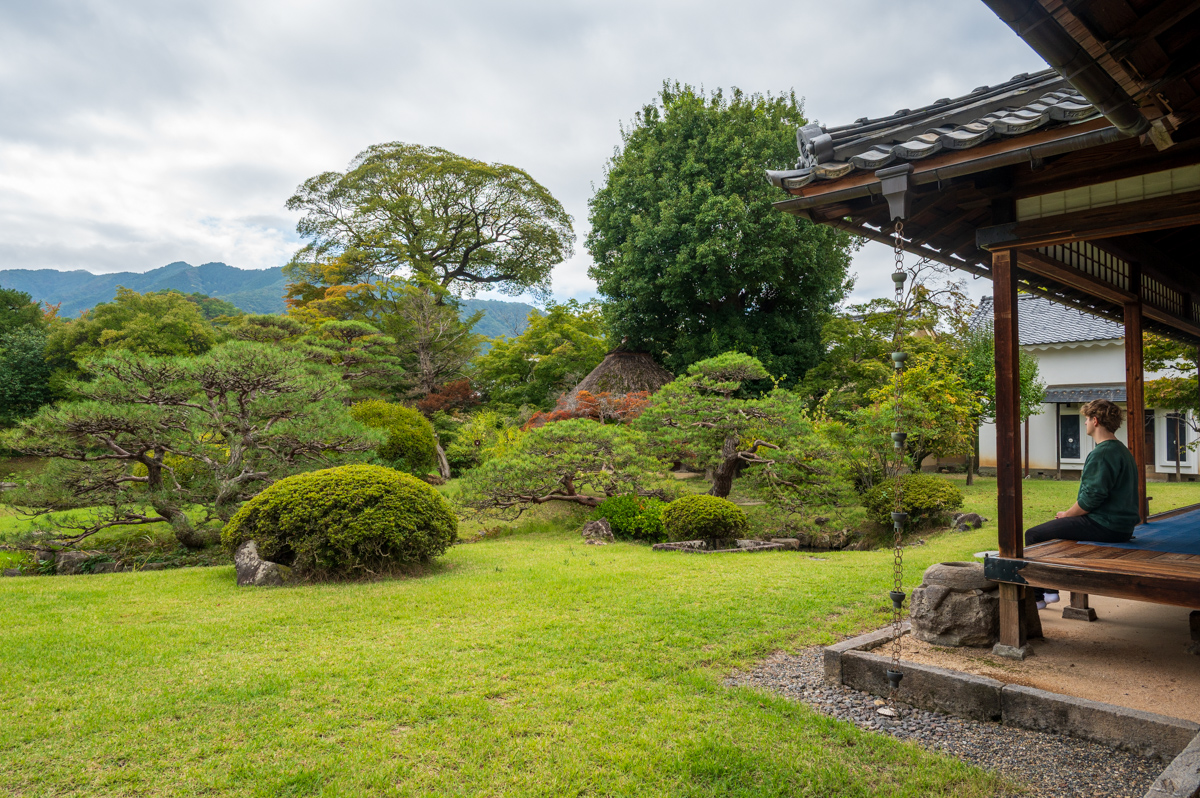
The landscape garden at the Former Sanada Residence
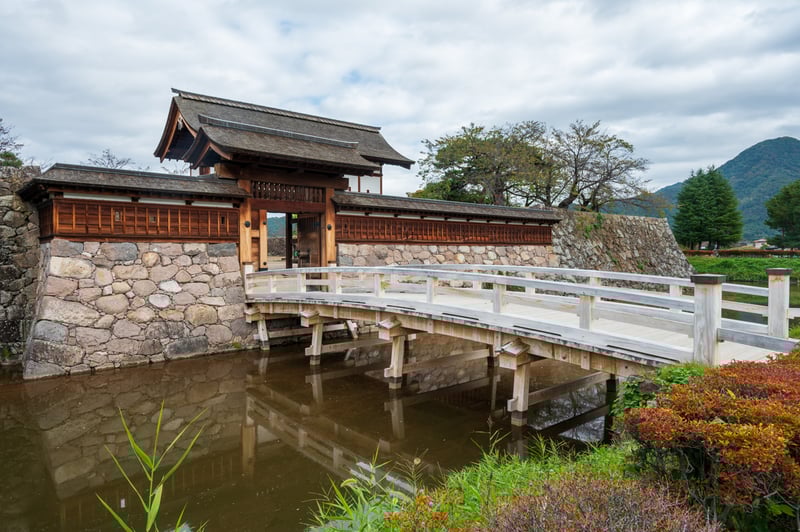
The entrance to Matsushiro Castle Ruins
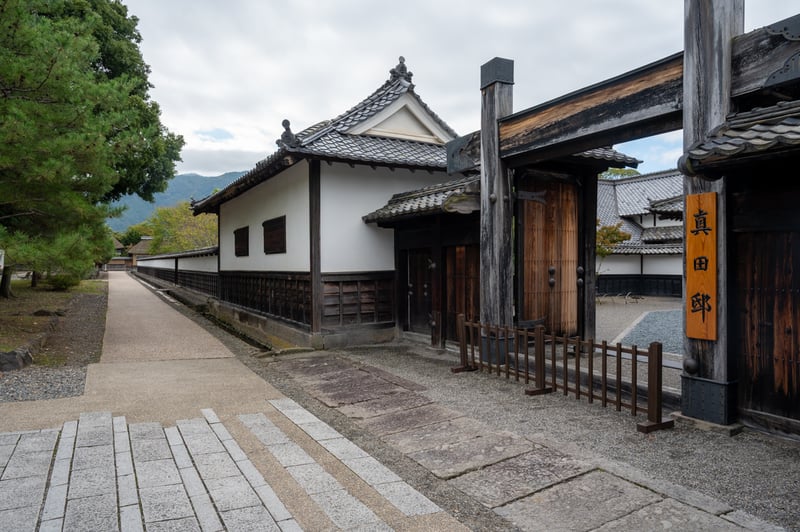
The entrance to the Former Sanada Residence
A historical castle town that is located just 30-minutes away by bus. Here you can explore well-preserved streets, take a peek into former samurai residences, visit a WWII Underground Tunnel System or try your hand at martial arts at a samurai academy.
Obuse
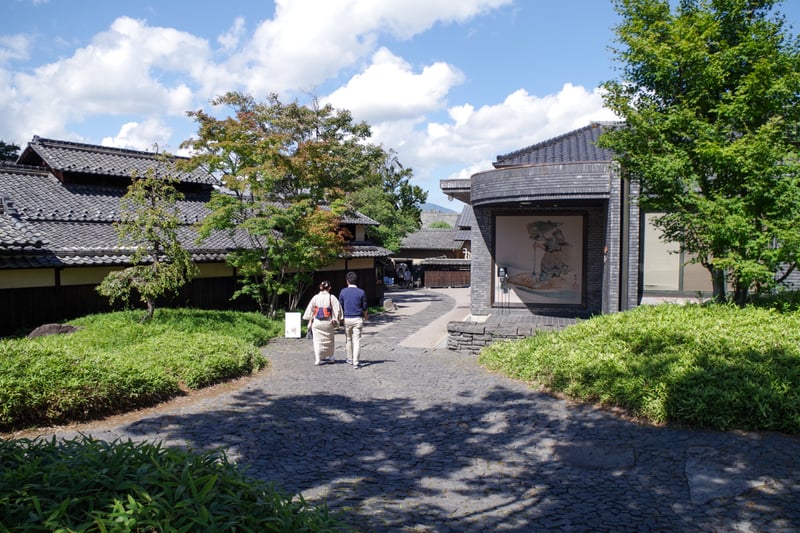
Walking through central Obuse
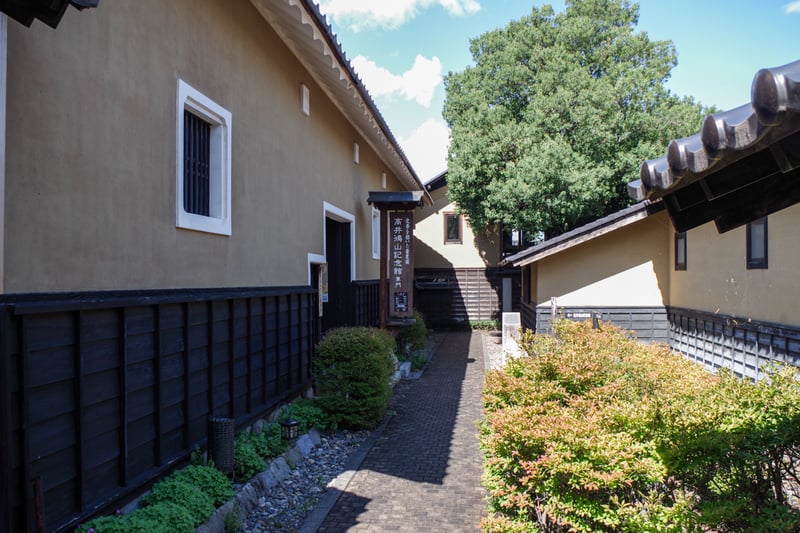
Obuse's narrow chestnut path behind merchant houses and sake breweries
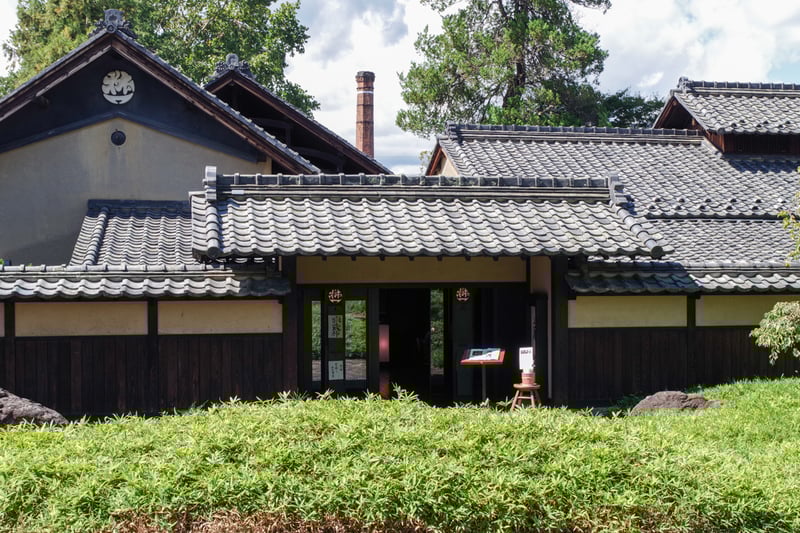
The exterior of Obuse Yoritsuki Ryori Kurabu, a restaurant on the grounds of Masuichi-Ichimura Sake Brewery.
Located east of Nagano City and along the Chikuma River, Obuse is famous for its chestnuts and fruits. Along its idyllic streets, laid with chestnut wood tiles, are museums, patisseries and cafes. The famous ukiyo-e artist Katsushika Hokusai, who created The Great Wave off Kanagawa, temporarily stayed here during his later years, and you can see exhibitions of his many works at the Hokusai-kan Museum or his large ceiling painting of a phoenix at nearby Gansho-in Temple.
Where to stay
From budget-friendly hostels to hot spring hotels and traditional lodgings, there are plenty of accommodations within easy reach of Zenkoji Temple and located close to Nagano Station, making it easy to explore the city’s many restaurants and bars.
Traditional Accommodations
For a more traditional experience, how about staying at a shukubo temple lodge such as Fuchinobo, where you can enjoy shojin ryori and participate in Buddhist rituals? Or stay at Shimizu Ryokan, a historic inn with a wood interior full of Meiji-period charm and maze-like corridors.
Accommodations with Hot Springs
After a long day of traveling, nothing feels better than taking a relaxing soak in a hot spring. Dormy Inn hotel is equipped with a natural onsen bath on the top floor and is located near Nagano Station. While at Uruoikan, around a 30-minute walk from Zenkoji, offers tatami rooms and public and private bath options, with a unique brown water caused by the naturally iron-rich fresh spring water.
Hostels and Guest Houses
For budget conscious travelers, hotels such as Pise Worldtrek and 1166 Backpackers offer affordable dormitories and private rooms, all located near the road leading up to Zenkoji.