

Most visitors to Nagano pass through Nagano City on their trip, possibly stopping at Zenkoji Temple for a quick visit before heading off to their next final destination, not realizing how much there is to do around town. Just beyond the main drag in Nagano City’s temples, shukubo lodges and local shops, you’ll find plenty of workshops and experiences. And further afield, Togakushi and Matsushiro offer even more ways to spend the day—or two.
Whether you’re a repeat visitor or heading to Nagano for the first time, here are over 11 activities to do on your next visit to Nagano City.
Things to Do Around Nagano City
Activities in Downtown Nagano City
Zazen Meditation, Sutra Copying and Mawarigoma
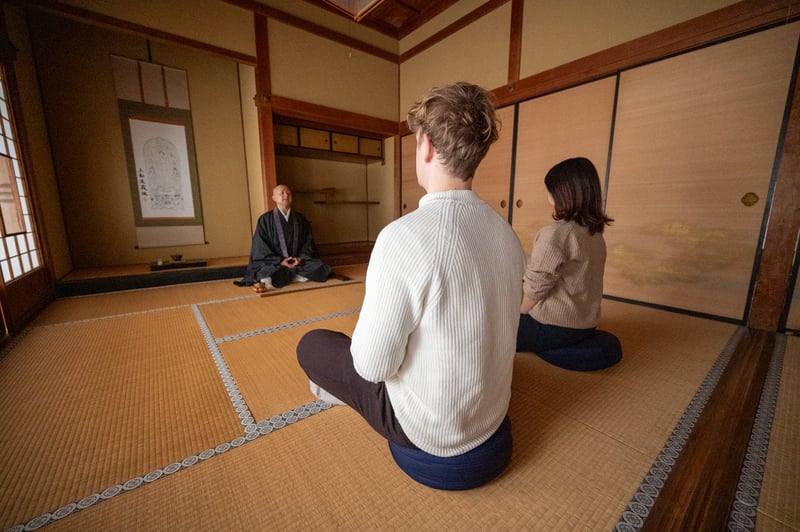
Meditating at Daikanjin during a session of zazen
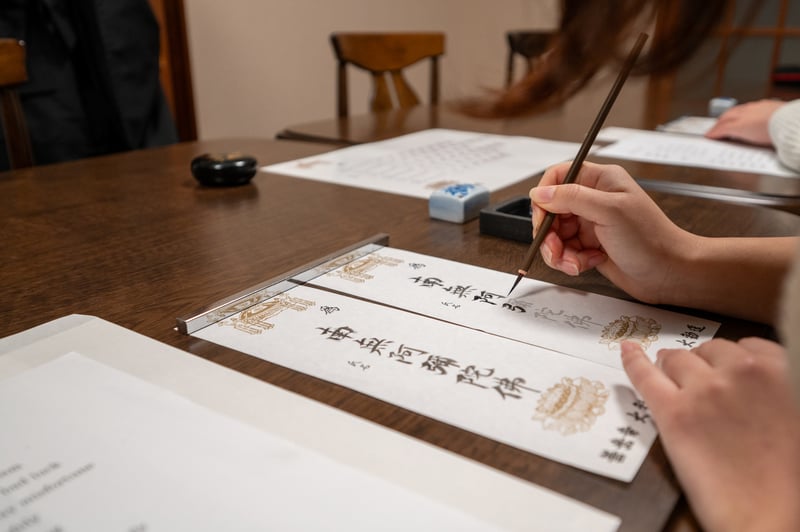
Tracing the characters that read "Namu Amida Butsu (Homage toAmitabha Buddha)" during sutra-copying
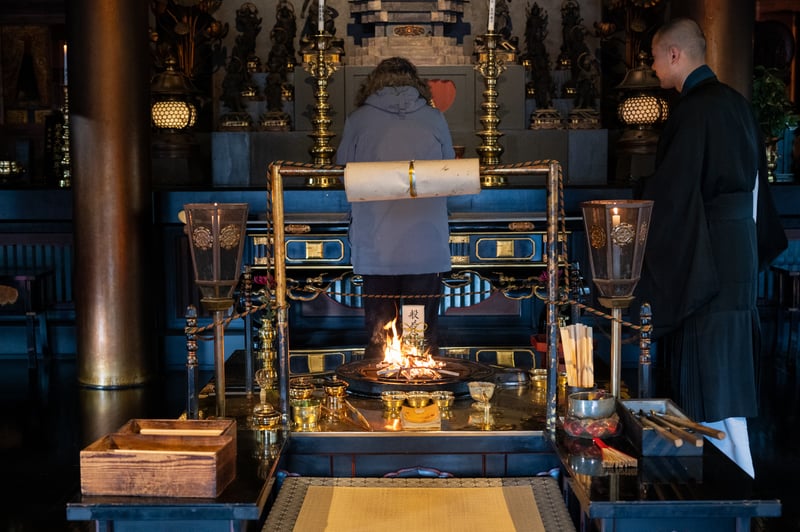
Praying at the altar after tossing one's wish into the fire during the Mawarigoma ritual
After a visit to Zenkoji Temple, a national treasure whose history goes back over 1,400 years, you can deepen your experience by participating in some traditional Buddhist meditation and prayer rituals.
At Daikanjin Temple, one of the two temples that oversees Zenkoji’s administration, you can join a Zazen meditation session, practice sutra-copying or cast a wish into the fire as part of the mawarigoma prayer ritual. Through one or all of these experiences, you can learn more about Buddhist practices while calming both your body and mind.
Reservations can made in advance via the Bonsho no Kai volunteer guide association. Smaller parties (5 or fewer) can make same-day reservations directly at Daikanjin Temple. See more information here.
Bead Bracelet-making at Galerie Ren
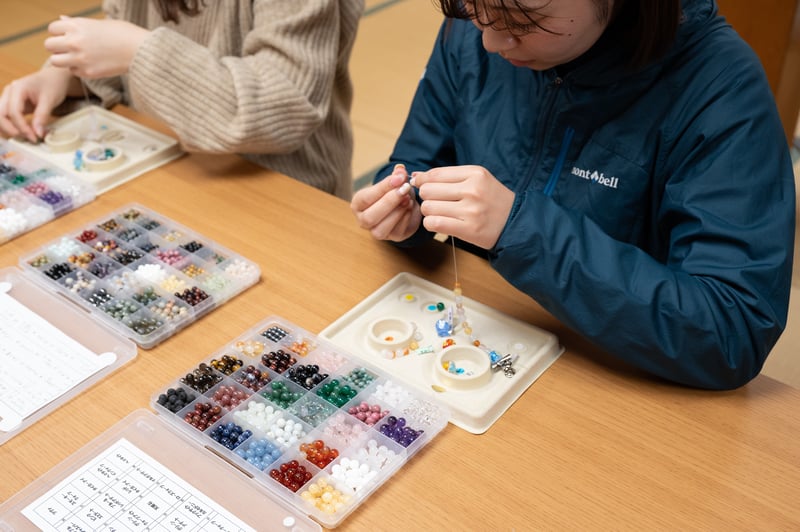
Stringing together the bead bracelet
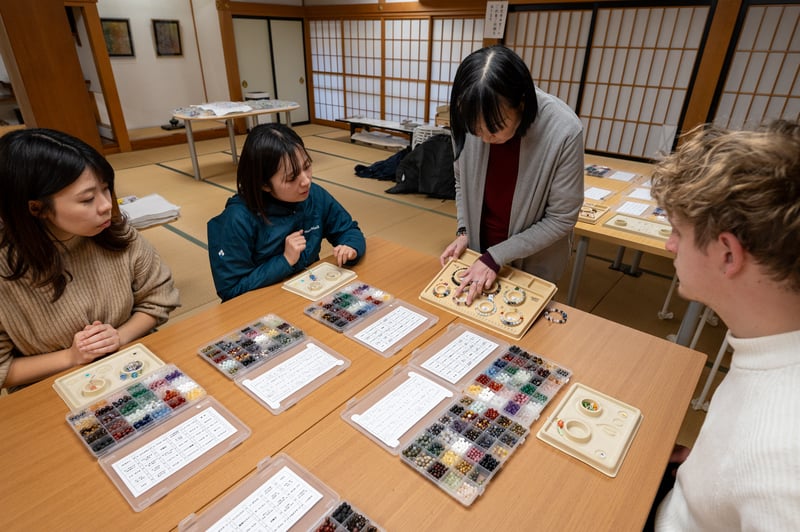
The owner and instructor Kawaguchi-san explains the bracelet-making process
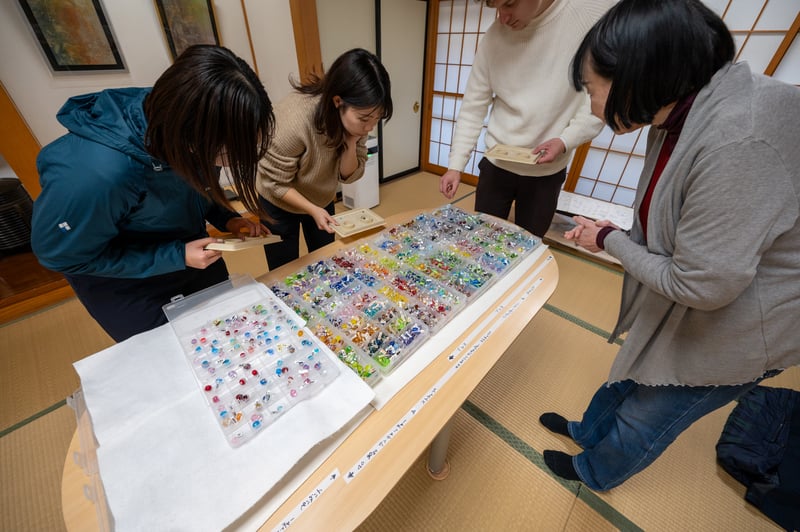
Choosing from one of countless glass beads for the centerpiece of the bracelet
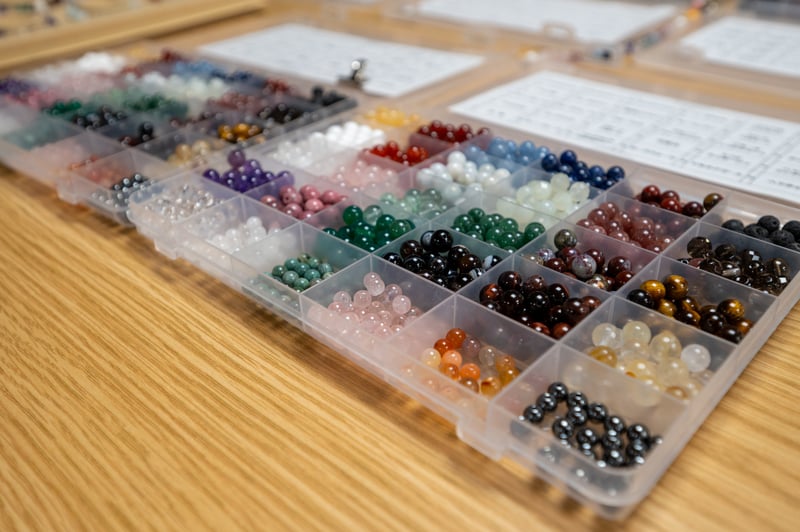
A close up of colorful stone and crystal beads for bracelet-making
Inside Byakurenbo, one of Zenkoji’s shukubo temple lodges, is a gallery of colorful kaleidoscopes, bead bracelets, precious stones and other whimsical charms. You can purchase the artisan-made items on display, or you can make your very own.
If you participate in the bead bracelet-making experience, you’ll be greeted by tables full of stone and glass beads in the next room over. Picking through countless beads and noting their unique patterns and slight color variations, you may even enter a state of intense focus or meditation as you craft the perfect bracelet for yourself in the current moment.
After you’re finished, the owner Kawaguchi-san will perform a cleansing ritual for the bracelet before handing it back to you with information on the meaning of the beads in your bracelet. Could it represent your desires—or possibly your fortune?
Matcha Tea Ceremony Experience
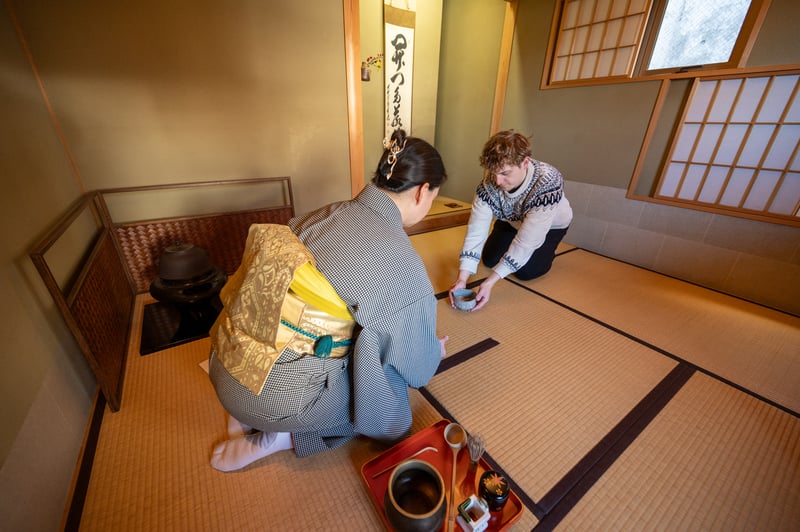
Receiving the cup of matcha tea from Tezuka-san
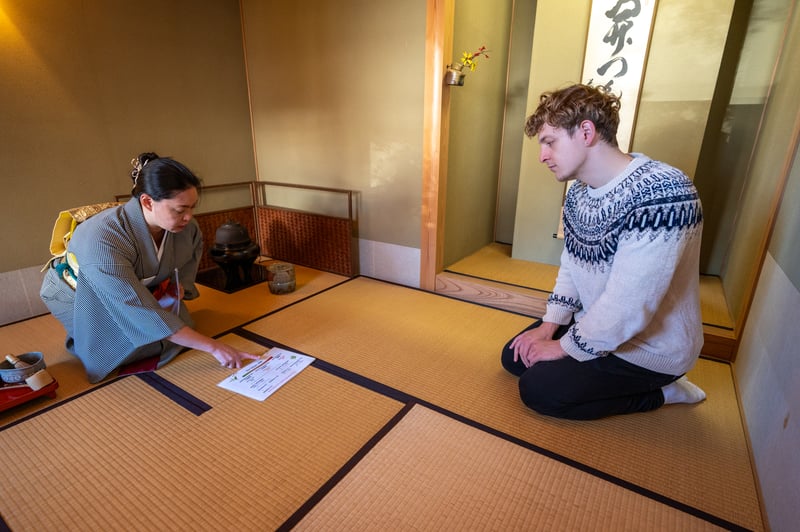
Tezuka-san explains the history of tea ceremony as well as the origin of matcha tea
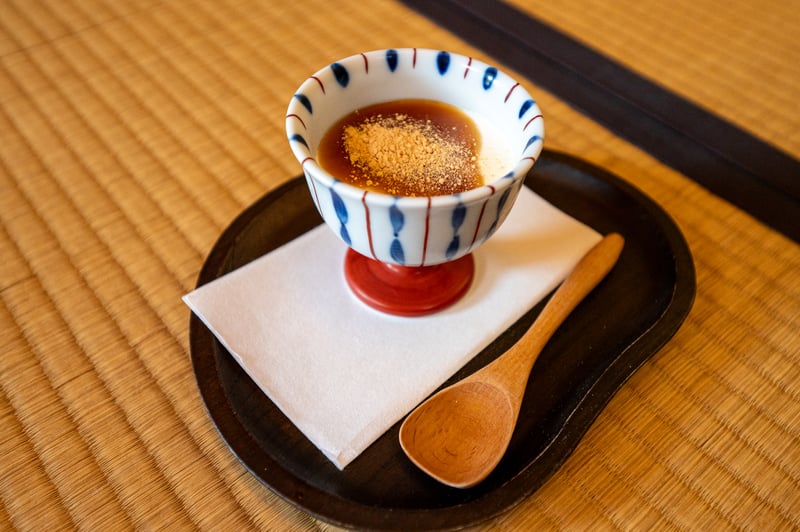
A special serving of Zenkoji Purin's caramel custard for the tea ceremony experience
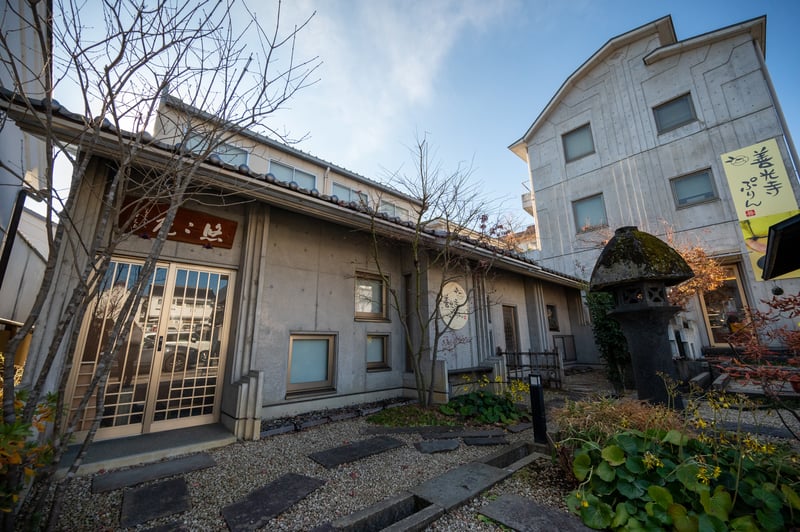
The exterior of the tearoom and Zenkoj Purin
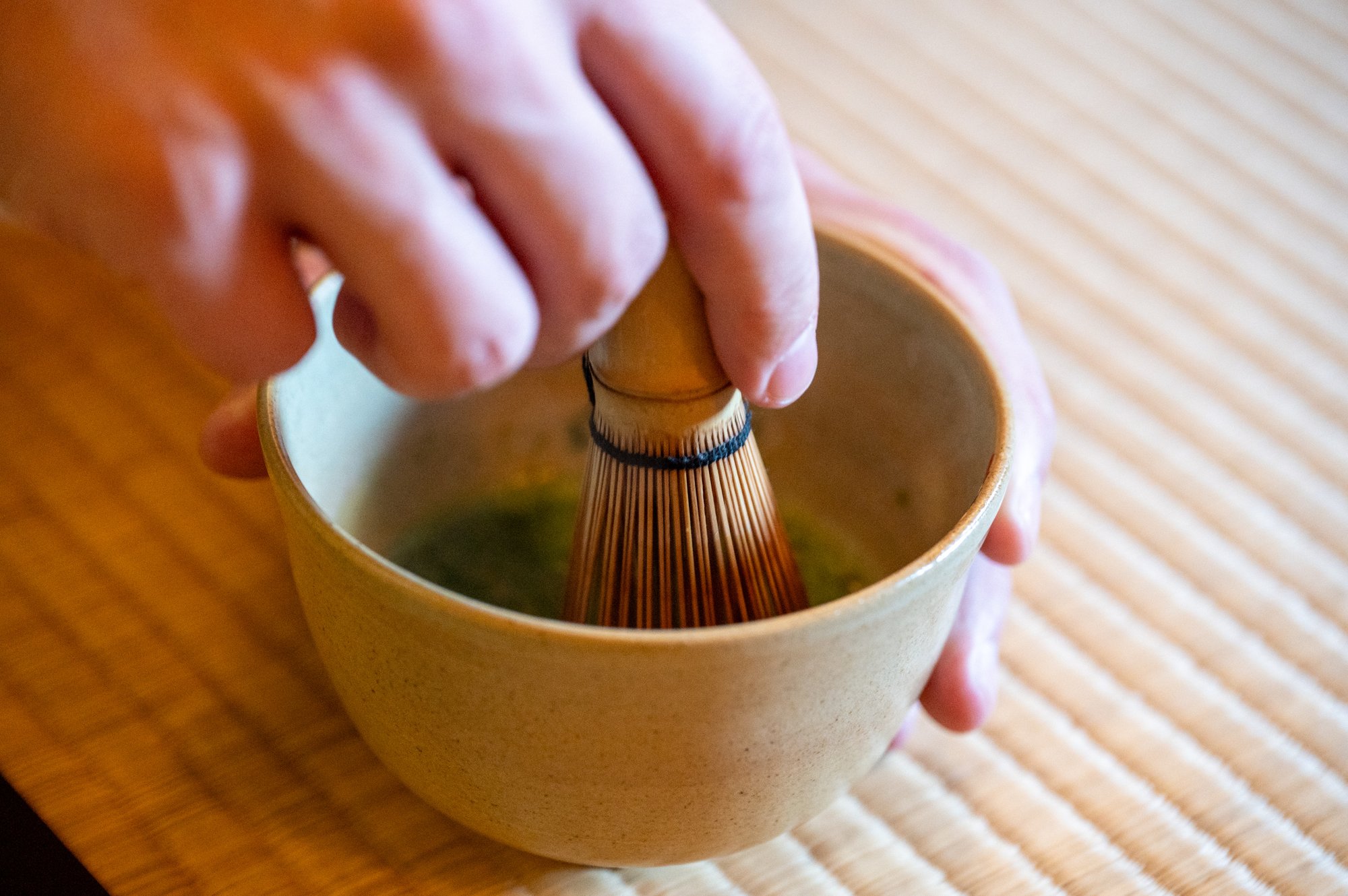
Beyond meditation, another way to relax and calm oneself is with a cup of matcha tea.
Next to Zenkoji Purin, a sweets shop specializing in caramel custard, happens to be a tearoom where you can participate in a tea ceremony experience. From crawling through the small entrance to the tearoom to appreciating seasonal decorative wall hangings and flowers, your instructor takes you through the entire process of the ceremony in easy-to-understand English before carefully mixing cups of matcha tea for each participant. In place of the typical wagashi sweet, a special Zenkoji Purin caramel custard is provided to go with your tea. After the ceremony finishes, you can then try preparing matcha for yourself.
See here for details and reservations.
Oyaki-making at Ogawa no Sho
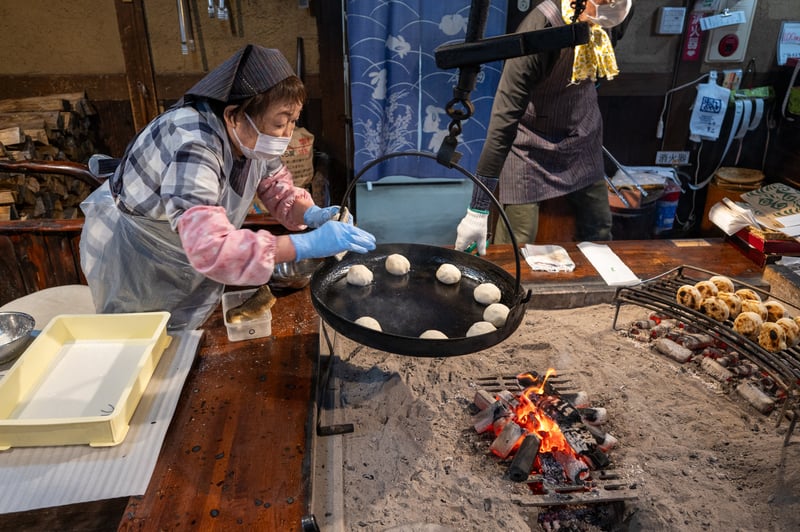
Oyaki dumplings are placed on the pan to fry over the fire before being moved to the rack to the right to char over coals
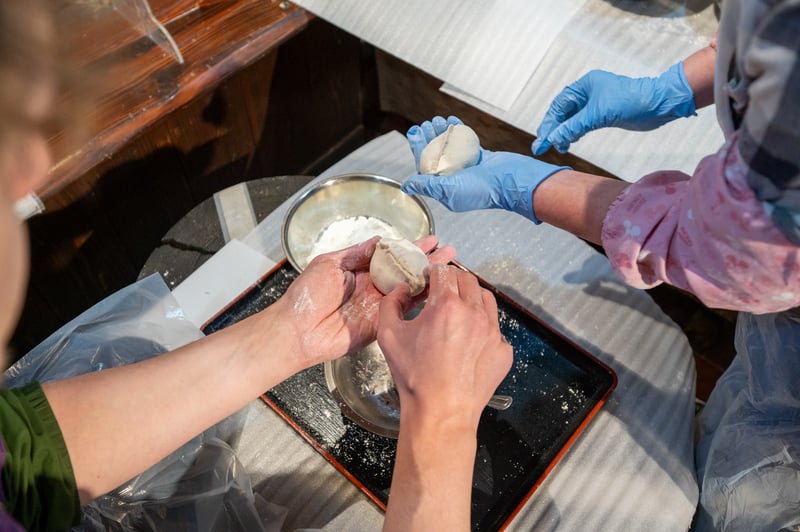
Closing up a nozawana pickle-filled oyaki
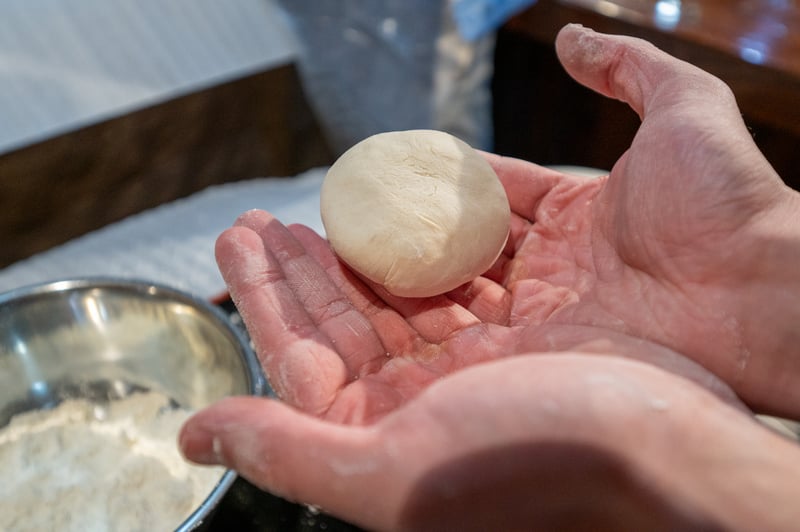
After some light shaping, the oyaki dumpling is ready to cook
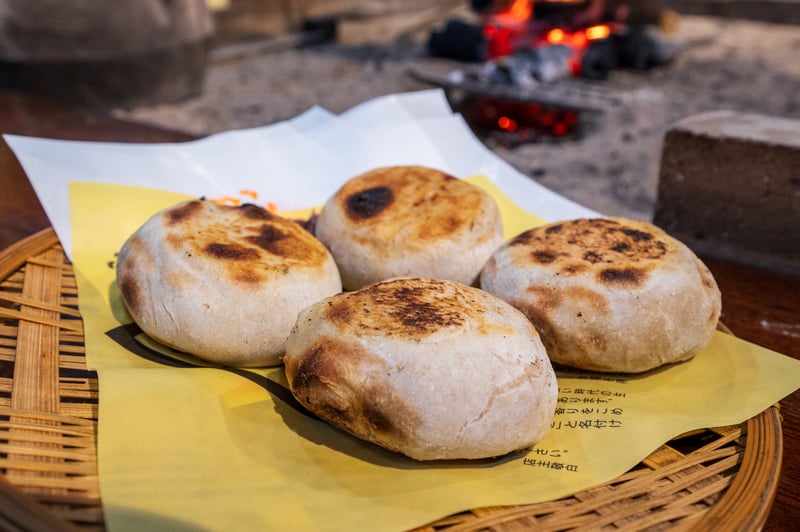
Freshly charred and hand-made oyaki in front of Ogawa no Sho's irori hearth
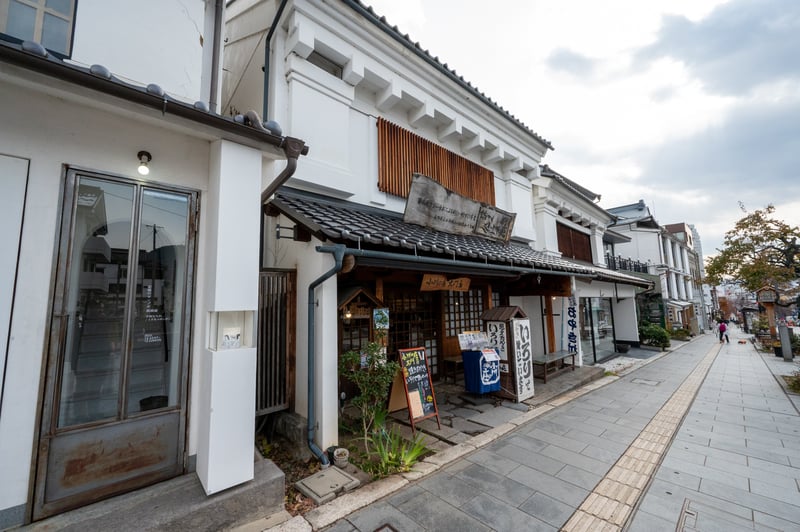
The exterior of Ogawa no Sho at Patio Daimon
Oyaki dumplings, flour or buckwheat dumplings stuffed with seasoned vegetables, are one of Nagano’s favorite comfort foods. They’re so popular that even convenience stores around the prefecture carry them.
You can try your hand at making these dumplings at Ogawa no Sho in Nagano City’s Patio Daimon. Sitting down beside the store’s irori hearth, you learn to pack, shape and close oyaki before the staff fry and char-grill your dumplings for you. During the experience, you make two dumplings: one filled with anko bean paste and another filled with nozawana pickles.
Sit by the fire and enjoy your handmade oyaki with a nice warm cup of buckwheat tea.
Make your Own Shichimi Spice Blend at Yawataya Isogoro
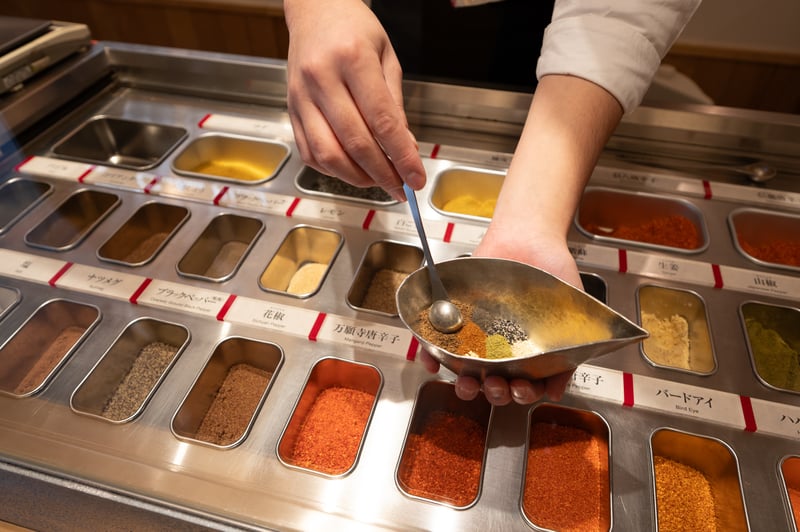
Over 40 different spices are available to choose from when making a custom spice blend
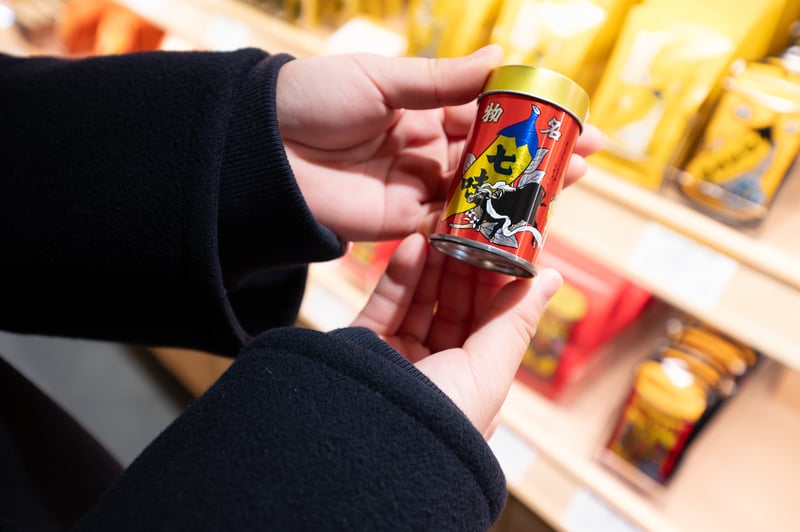
A special edition of Yawataya Isogoro's shichimi can featuring the bull from one of Zenkoji's legends ("ushi ni hikarete Zenkoji mairi")
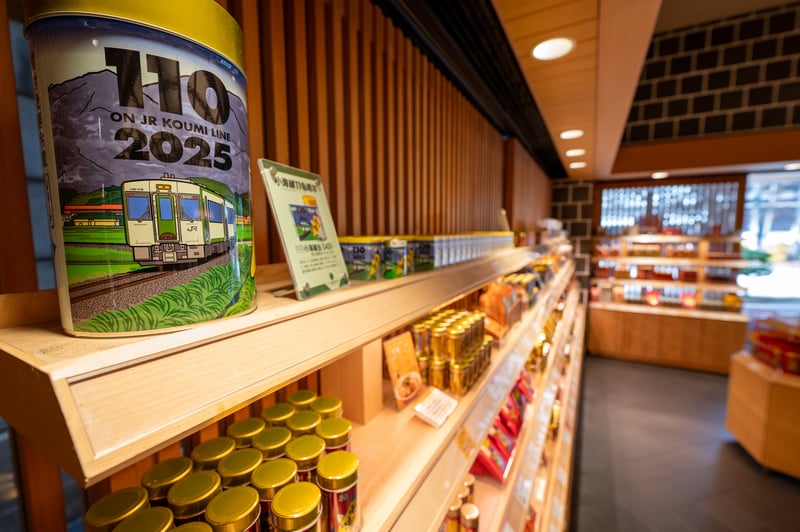
Countless shichimi cans of various spice blends line the shelves of Yawataya Isogoro
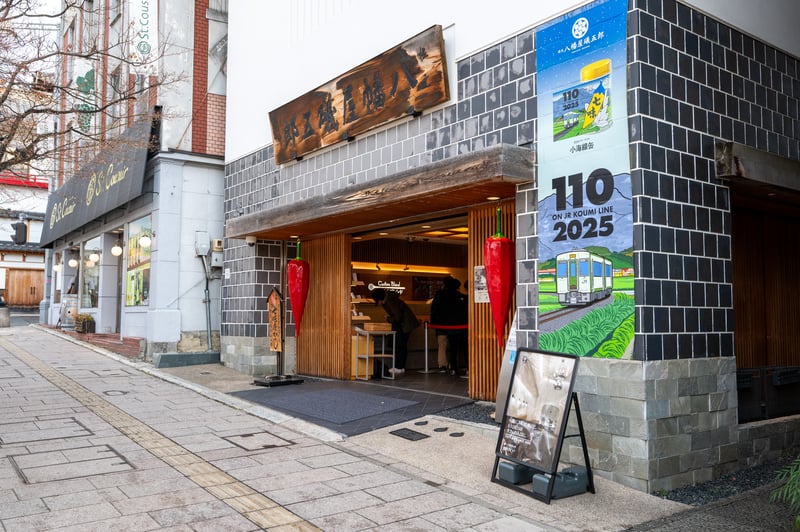
The shop exterior
Shichimi spice is a blend of seven seasonings found throughout Japan. The shichimi from Yawataya Isogoro has a history going back to the early 18th century and has long been a popular souvenir for visitors to Zenkoji Temple.
At Yawataya Isogoro’s storefront next to the Zenkoji intersection, you can make your own spice blend from over 39 different spices. You can also choose from a list of recommended blends and add or remove ingredients as you see fit.
Bring your special blend with you to add a kick of flavor to miso soups, pizza, beef bowls and ramen; or make a unique souvenir to bring to someone back home.
Visit the Nagano Prefectural Art Museum
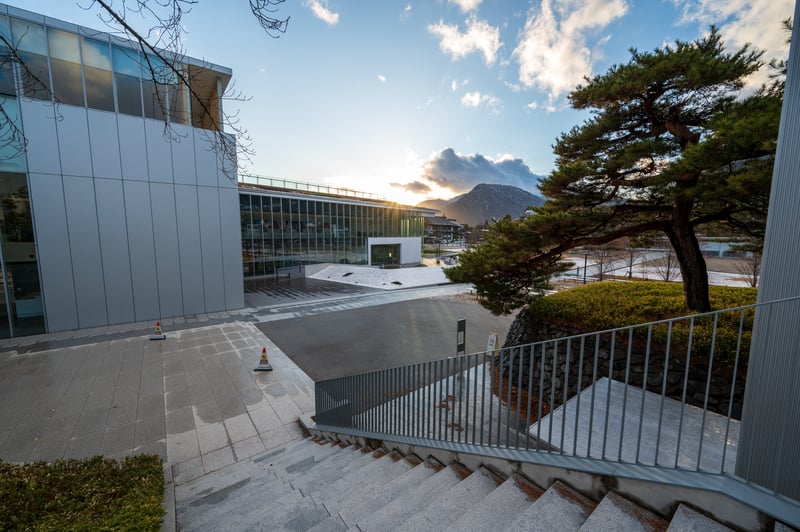
The sun begins to set over the museum on a winter's day
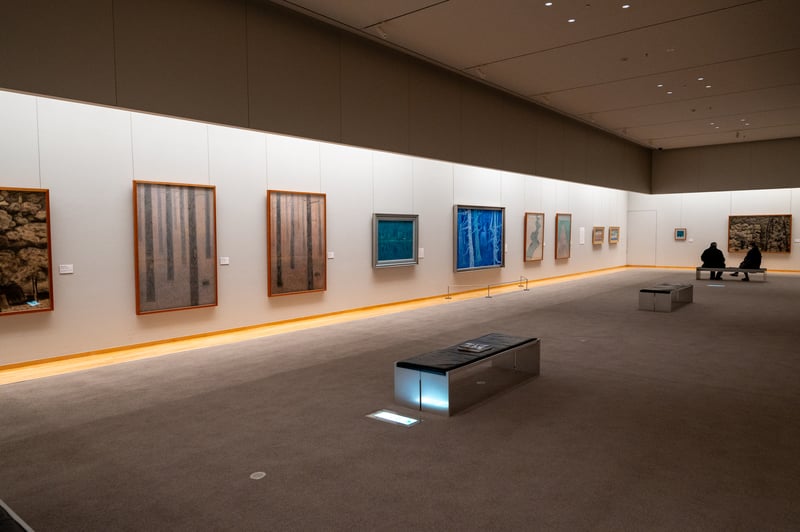
The main hall of the Higashiyama Kaii Gallery
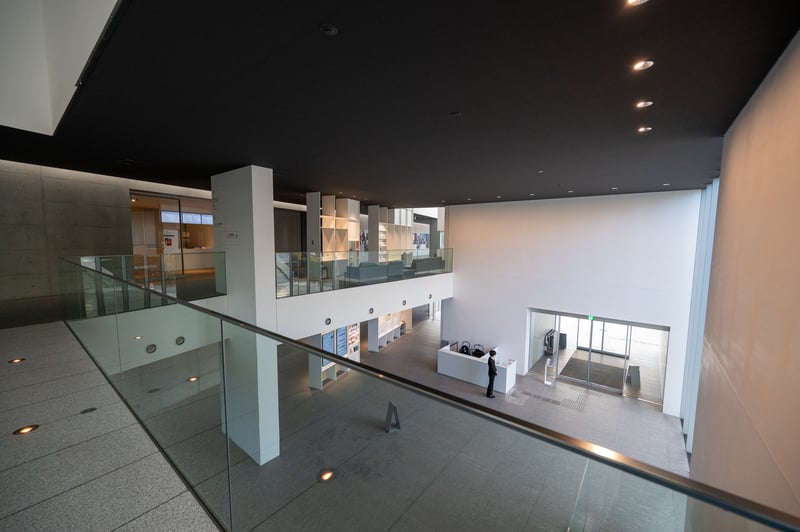
The entrance of the museum as seen from the second floor
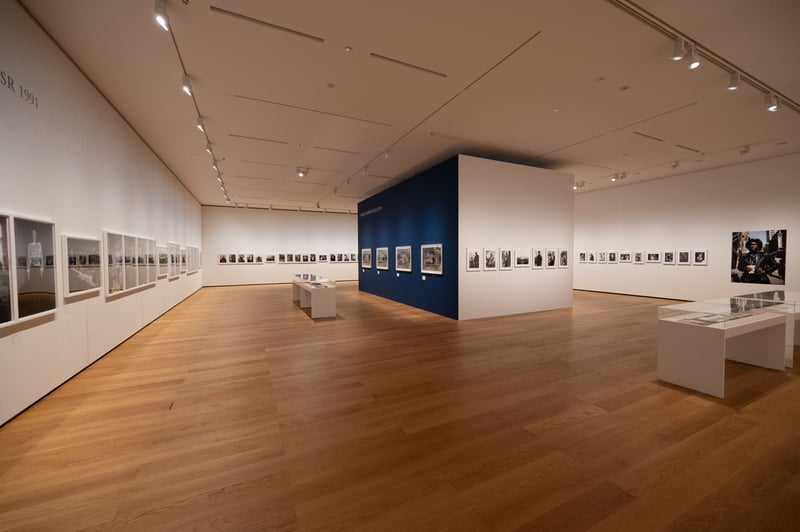
One of the main building's special exhibitions
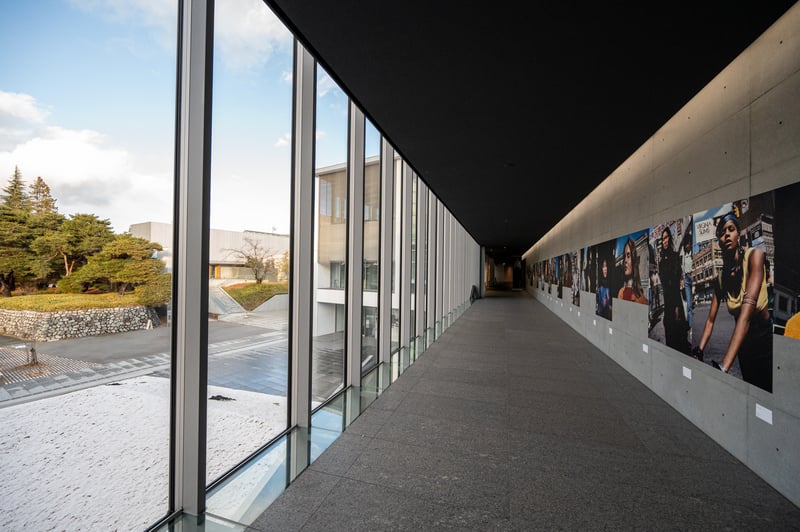
Floor-to-ceiling windows flood the museum with warm, natural light throughout the year
The Nagano Prefectural Art Museum sits atop Nagano City just behind Zenkoji Temple. It houses a collection of over 4,600 pieces of modern artworks from artists born in and/or associated with Nagano and hosts a variety of collection and special exhibitions. The Higashiyama Kaii Gallery, attached to the main building, is particularly popular, as it is dedicated to one of Japan’s greatest nihonga painters and features many works depicting the landscapes of Nagano.
Renovated in 2021, the new main museum building is a modern work of steel, concrete and glass that harmonizes with its surrounding environment. The new museum building is spacious and wide-open, offering many spaces for visitors to enter without needing a ticket. You can stop by for a rest, grab a quick bite at the café on the top floor, or take in the views of Zenkoji from the rooftop terrace.
Activities in Togakushi
Make your own Togakushi Soba Noodles
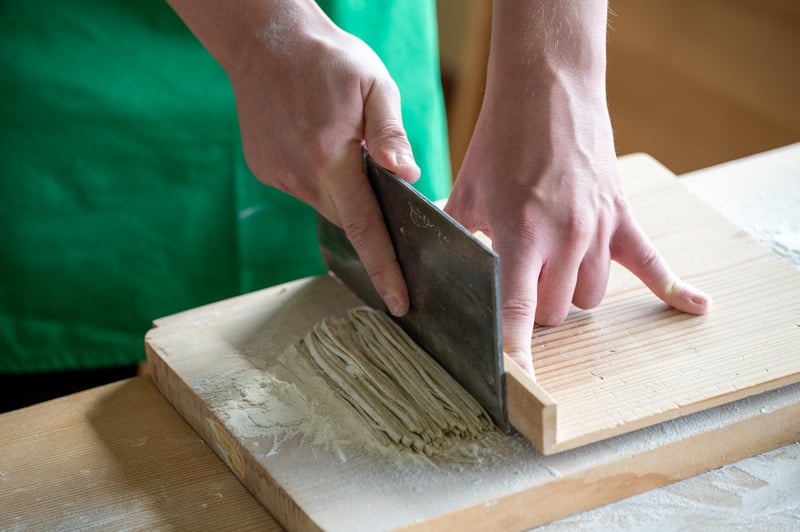
Attempting to cut soba noodles into a uniform thickness
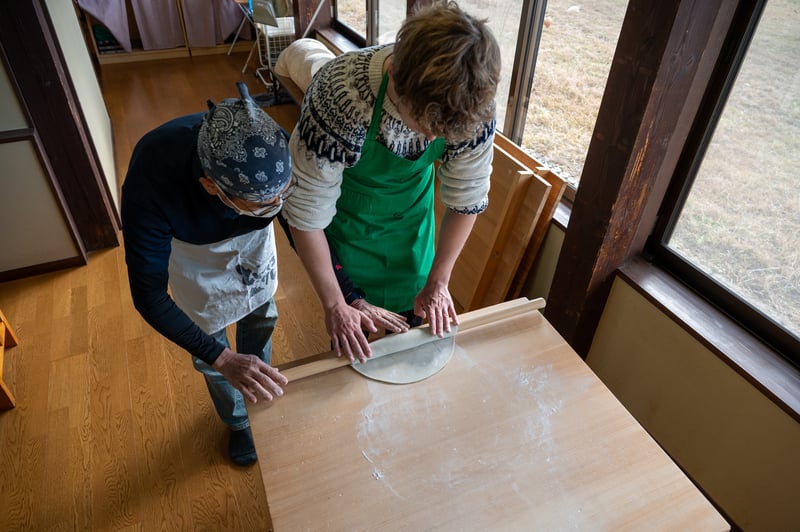
Learning how to roll out the dough from the instructor
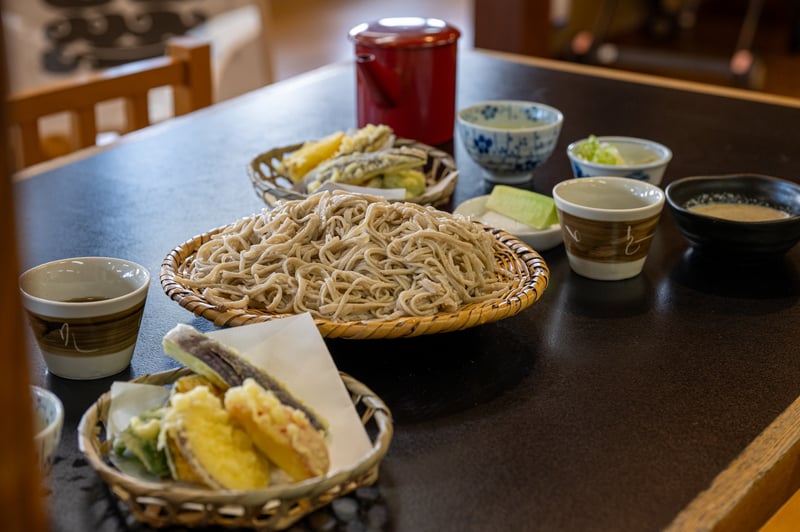
The finished product paired with some vegetable tempura and dipping sauces
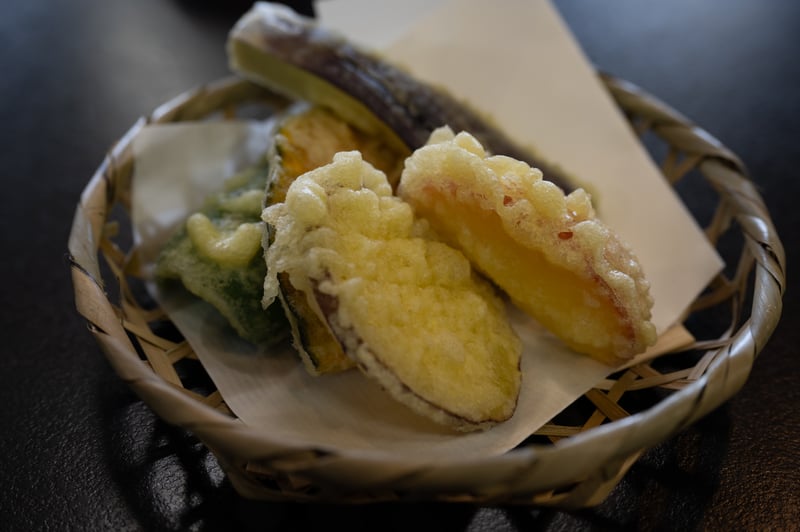
A vegetable tempura close-up of sweet potato, kabocha pumpkin, eggplant, green pepper and apple
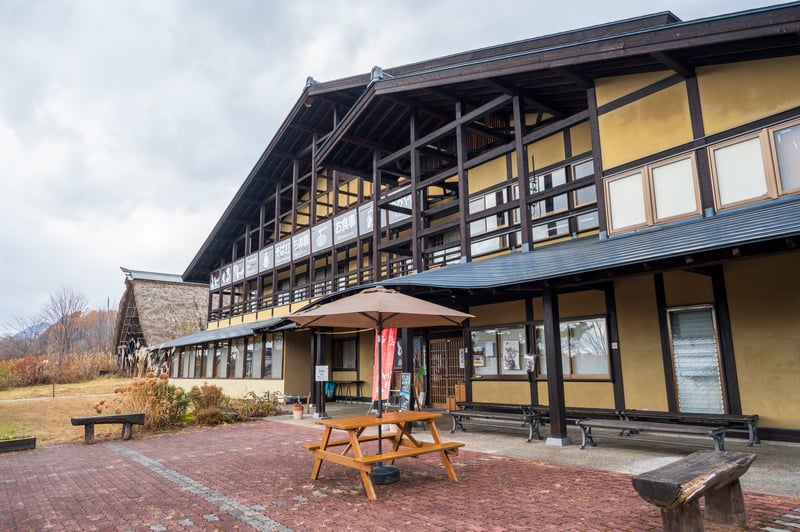
The exterior of Togakushi Soba Museum Tonkururin
Just over an hour from Nagano City by bus, Togakushi is a forested highland of ancient shrines and precipitous peaks. It is also one of Japan’s most famous areas for soba noodles, so what better place could there be to practice making it yourself?
At Togakushi Soba Museum Tonkururin (or at the Togakushi Tourist Information Center during winter), you can make your own batch of soba noodles with the help of a master. While the process seems simple enough—mix the dough, roll it out and cut it into noodles—making thin, even noodles is much harder than it looks. But regardless of their appearance, they are sure to taste great, especially when served with some seasonal vegetable tempura.
For details, see here.
Bamboo-weaving Experience
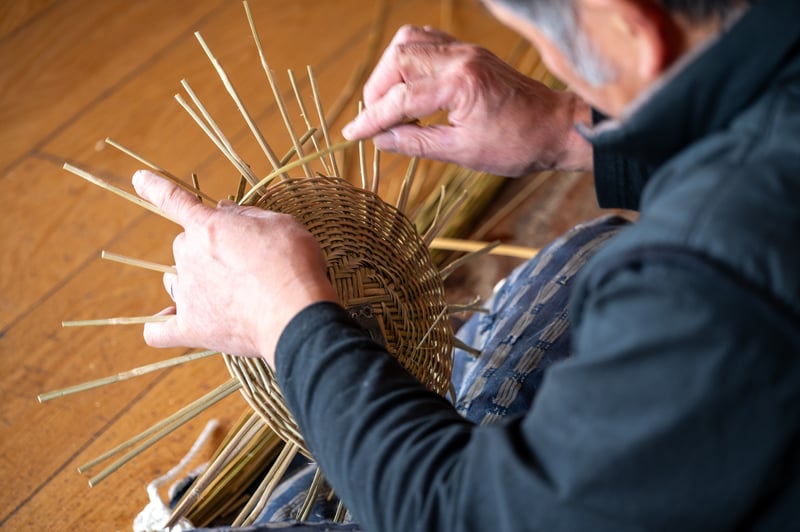
The master working on a zaru soba plate
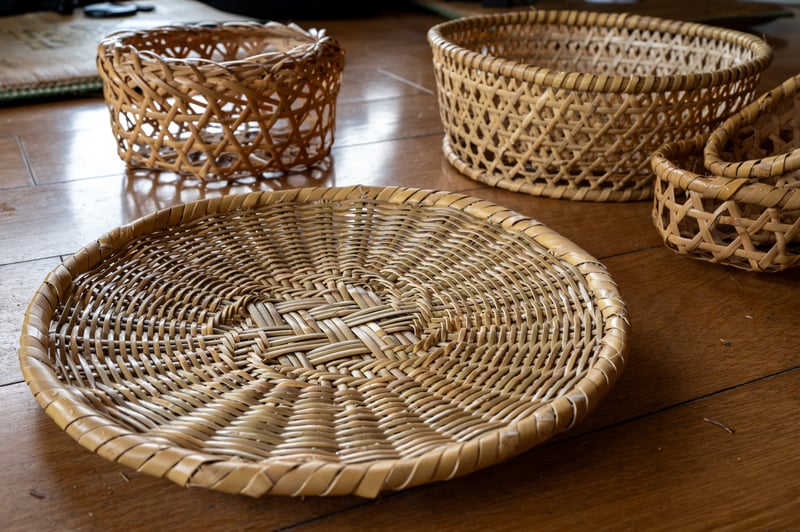
Examples of zaru soba plates and mutsumi-kago baskets
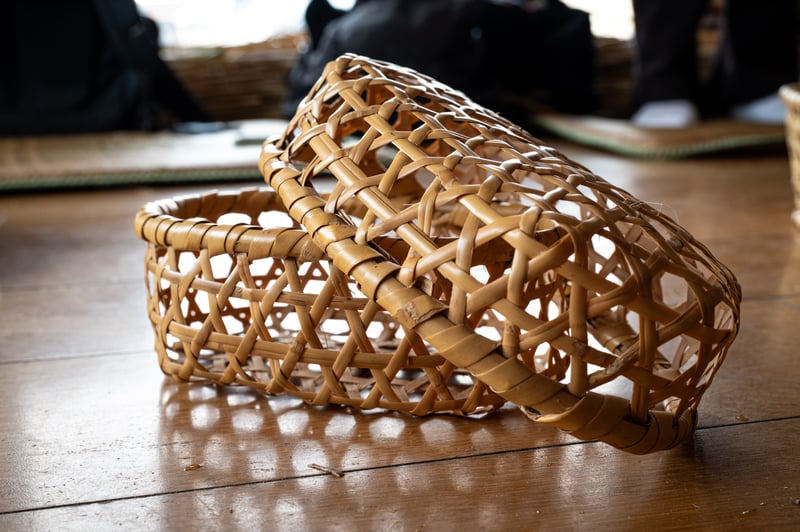
A mutsumi-kago basket with a lid
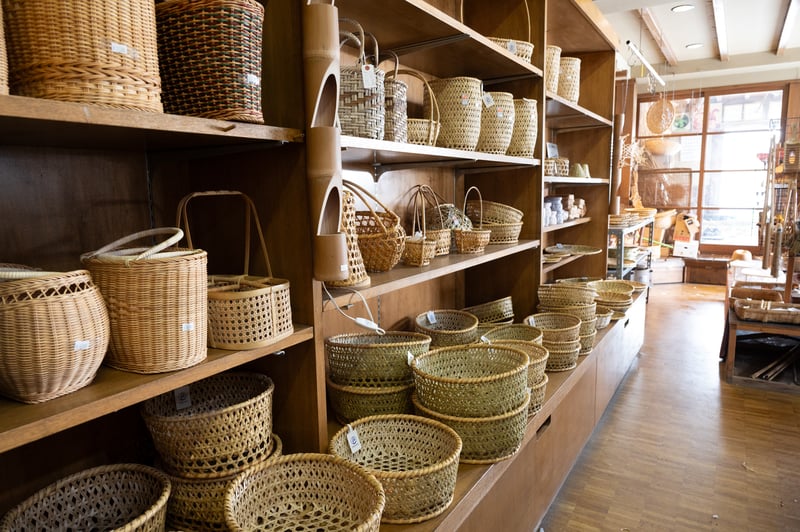
The interior of the Harayama takezaiku bamboo craft shop
Another specialty of the Togakushi area is bamboo-weaving (takezaiku). Pieces of nemagaridake bamboo are dried and cut into strips before they are weaved into baskets, bins, zaru plates (for soba noodles) and, more recently, even into coffee pour-over cones.
At the Harayama takezaiku bamboo shop, you can also participate in a bamboo-weaving workshop. In a half-day, you can make a mutsumi-kago basket or small ichirinzashi flower vase, or during a full-day experience, you can make a zaru plate.
These bamboo goods are durable, environmentally friendly and develop a unique character as they age.
Details
Price
Ichirinzashi or Mutsumi-kago basket (Half-day): 8,000 yen
Zaru soba plate (full day): 15,000 yen
Reservations
Contact the Togakushi Tourism Association by email (englishinfo@togakushi-21.jp)
Visit the Shrines of Togakushi
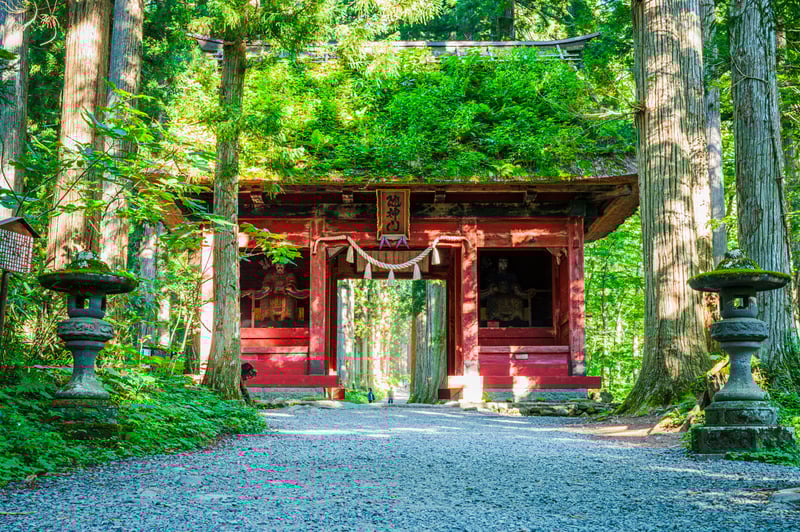
The Zuijinmon Gate on the approach to the Kuzuryusha and Okusha Shrine (Nos. 4 and 5)

The Hokosho Shrine (No. 1)
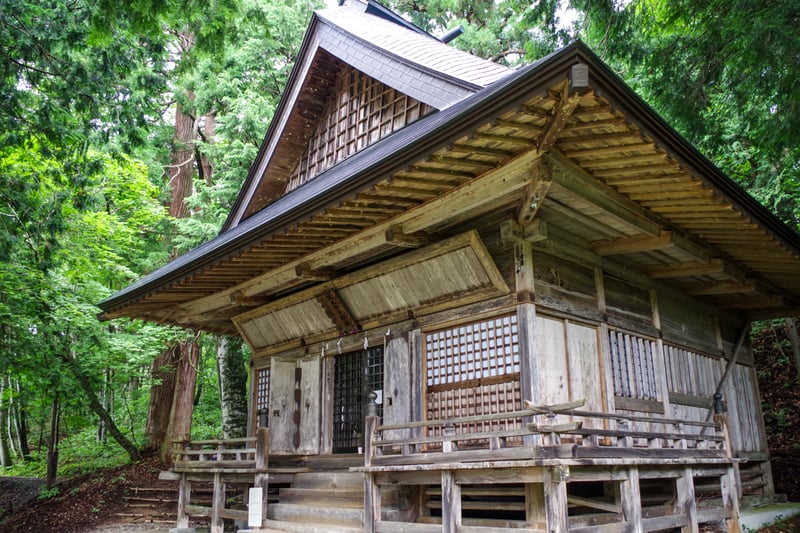
The Hinomikosha Shrine (No. 2)
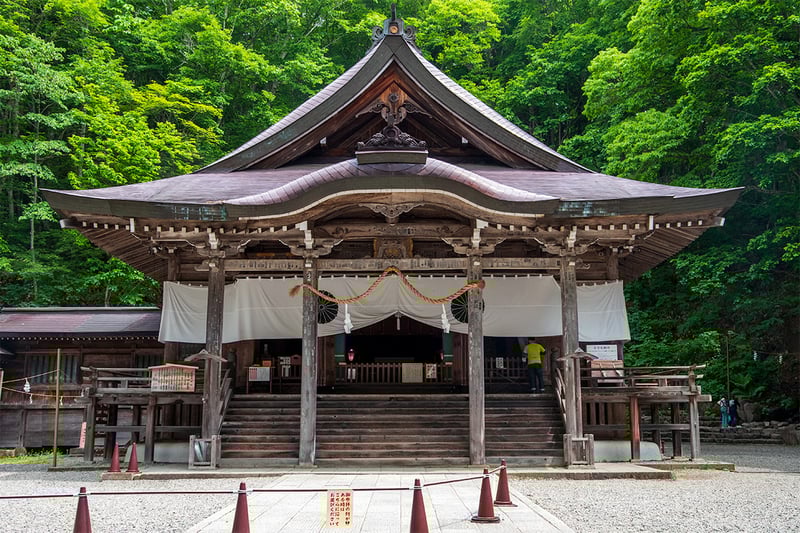
The Chusha Shrine (No. 3)
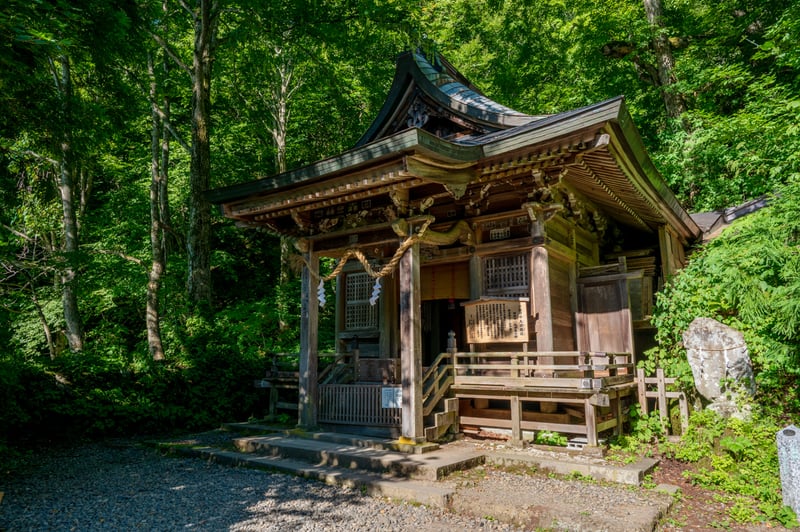
The Kuzuryusha Shrine (No. 4)
If you’re traveling to Togakushi, it would be a waste not to visit at least one of its five shrines. In order: the Hokosha, Hinomikosha, Chusha, Kuzuryusha and Okusha shrines. The most popular shrine to visit is the final Okusha Shrine, known for the lane of 400-year-old cedar trees that tower beyond the red Zuijinmon Gate, but if you have time, it’s worth visiting the other four as well.
The Togakushi Kodo Trail connects all five shrines together, taking about 14.5 kilometers and 6 to 7 hours to complete (with time for lunch). Each shrine has a nearby bus stop, so you can choose to start at the beginning of the trail, somewhere along the middle or head straight to the Okusha Shrine entrance for the final stretch.
Learn about Ninja at the Togakushi Ninja Museum
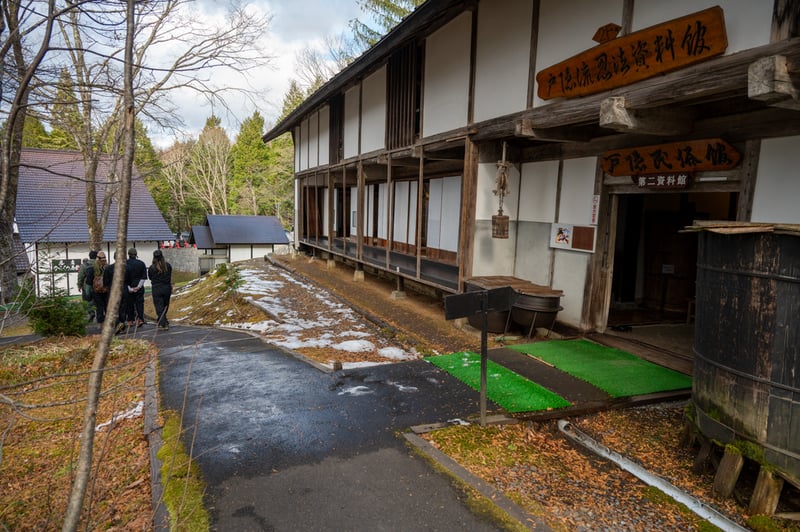
Walking from the exhibition hall towards the ninja trick house
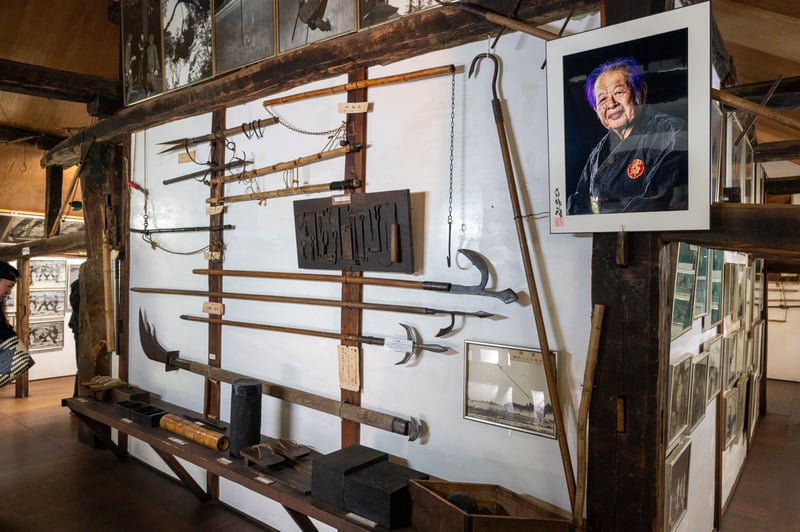
Some ninja weapons on display in the exhibition hall
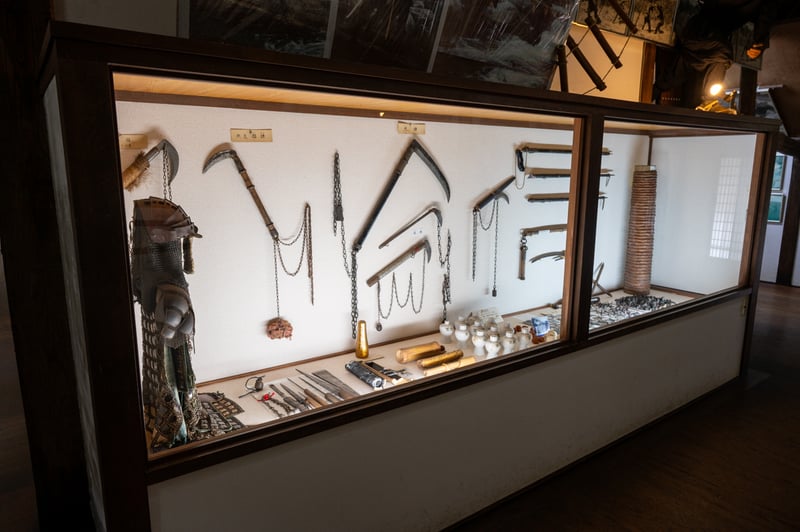
Many ninja tools were created from farming instruments like kama hand scythes
While ninjas’ abilities have been greatly exaggerated in anime and media, they did indeed exist, working as spies, saboteurs and assassins for a long period of Japan’s history. It is said that early ninja techniques developed from the grueling training of ascetic monks, many of which trained in Togakushi. It is no wonder then that this haunt for ascetic monks eventually became a haven for ninja as well.
At the Togakushi Ninja Museum across from the entrance to Togakushi Okusha Shrine, you can see actual tools used by ninja as well as depictions of common ninja techniques. Afterwards, sharpen your aim at the shuriken throwing range and head into the Ninja trick to test your wits as you try to escape.
Young kids will enjoy the Chibikko Ninja Village near the Togakushi Chusha Shrine for its array of obstacle courses, child-friendly shuriken range, and ninja performances.
Activities in Matsushiro
Samurai and Martial Arts Experiences
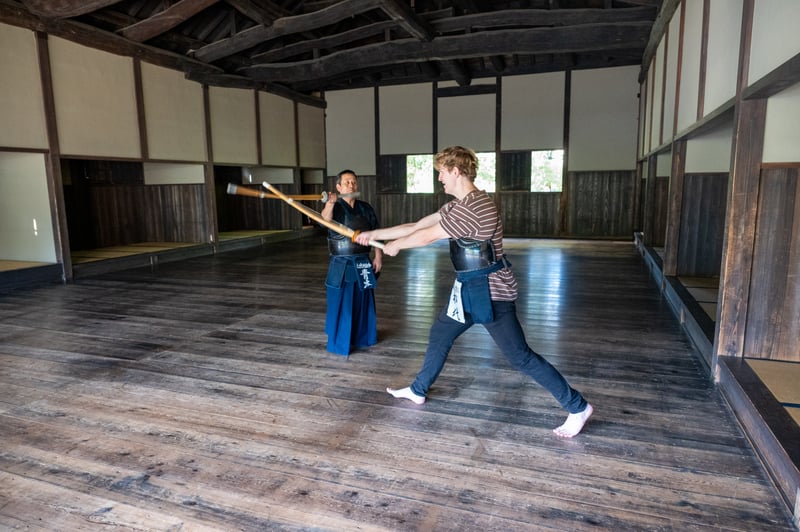
Practicing basic strikes during a kendo experience the Former Matsushiro Military and Literary Academy
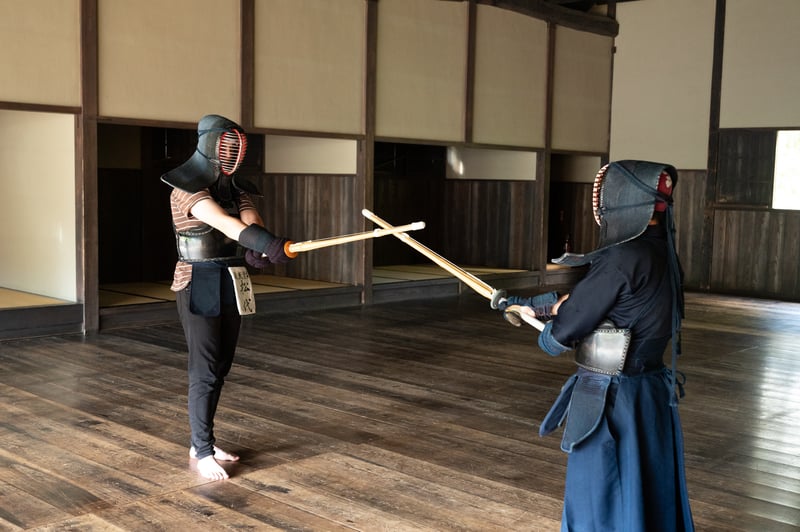
Sparring with one of the instructors
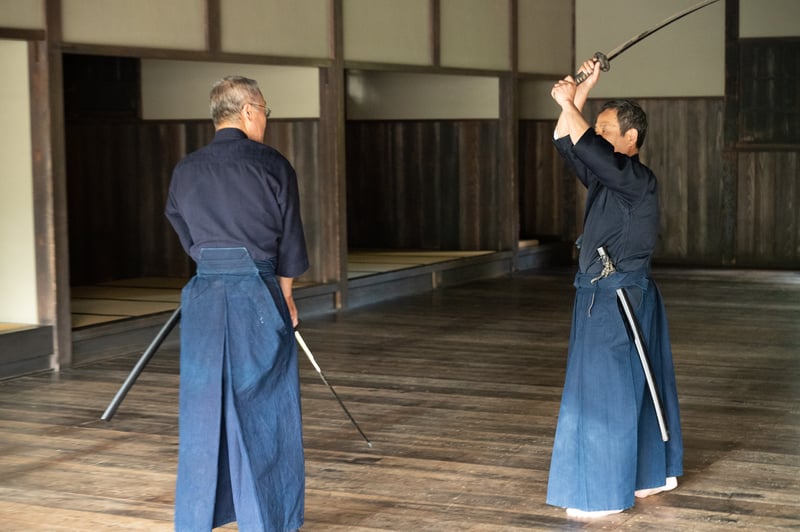
The instructors show off a variety of common strikes using dull swords
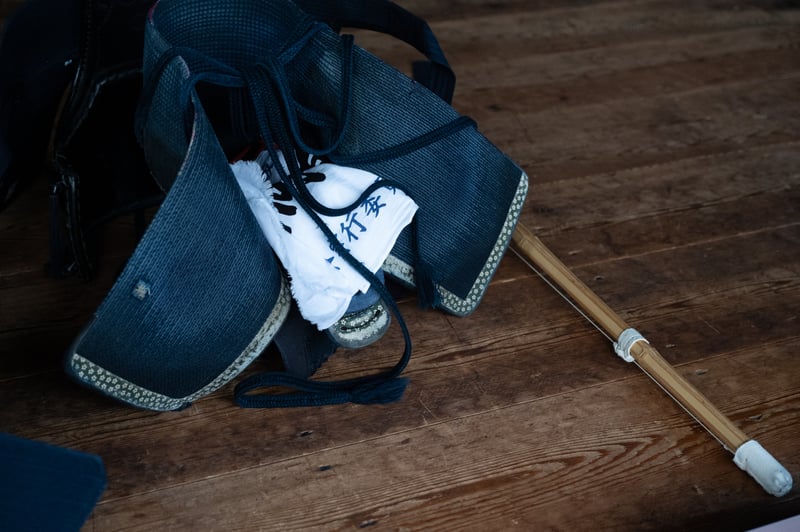
Kendo bogu protector and shinai bamboo sword
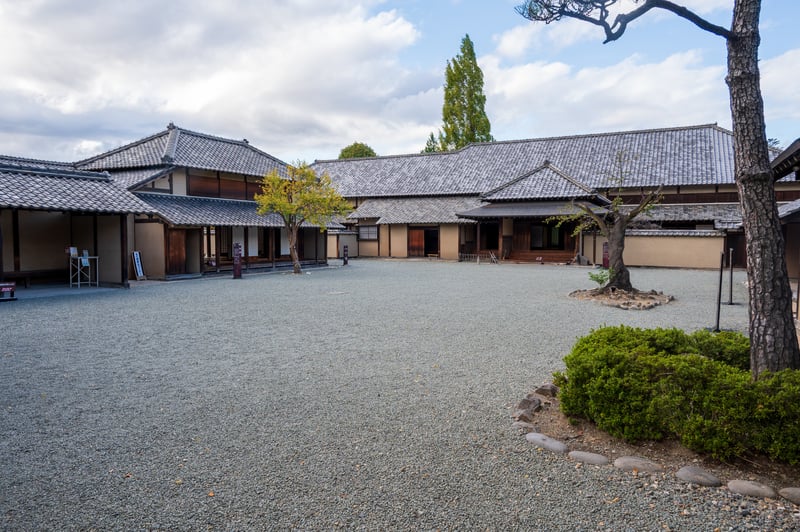
The Former Matsushiro Military and Literary Academy
Once ruled by the Sanada clan, Matsushiro is now part of Nagano City, but remnants of its castletown history stand to this day. One of the most well-preserved buildings is the Former Matsushiro Literary and Military Academy, where children were taught a wide range of topics including medicine, martial arts and traditional literature. Several dojo on the premises are still used to this day for training and events and occasionally kendo and other martial arts experiences.
Learn the basics of kendo from local members of Matsushiro’s kendo club before donning some protective equipment and practicing the basic movements and different strikes. Finally, spar with one of the teachers to put your short bout of practice to the test.
If you’d rather have the look of a samurai rather than fight like one, you could instead don some replica samurai armor and take some photos around the academy grounds. The replica armor, often worn by reenactors participating in Matsushiro’s Jumangoku parade and other local events, is quite light and easy to wear.