

Learn from a Master Craftsman
Japanese traditional crafts are renowned the world-over for the attention to detail and their sublime beauty. In Nagano, many artisans open their studios for beginners to get a taste of using techniques passed on for generations. Come to Nagano to experience making traditional crafts.
- Bamboo Craft Making in the Togakushi Highlands
- Uchiyama Washi Paper Making
- Mizuhiki Paper Cord Art
- Paint your Own Japanese Lacquerware Plate
- Make a Colorful Matsumoto Temari Handball
- Weave Timeless Silk Fabrics
- Glass Blowing in the Shadow of the Japanese Alps
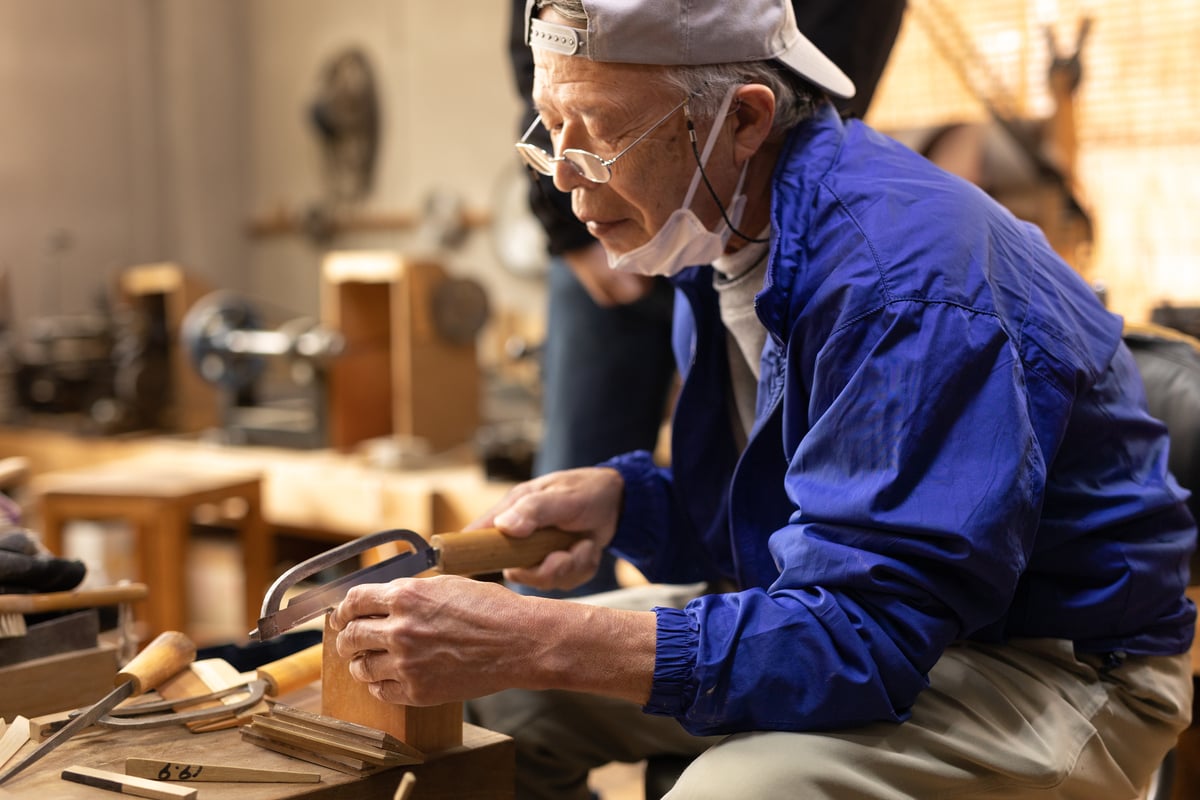
- Carve Hinoki Chopsticks in Narai-juku
- Scarf Weaving and Tea at a Nagano City Cafe
- Make a Bead Bracelet at Gallery Ren
- Kintsugi Lesson for Beginners
- Exclusive Tours
Bamboo Craft Making in the Togakushi Highlands
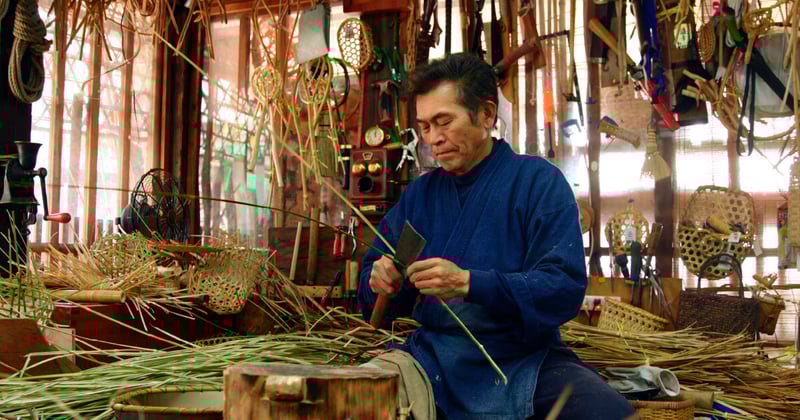
Born from Mt. Togakushi’s rugged wilderness, bamboo ware has been made in these highlands above central Nagano City for over 150 years. Artisans bring back bamboo they have harvested themselves to their shop, split and cut the stalks then weave them into baskets, trays, and other common items. Not only does bamboo ware have a lovely appearance with beautiful geometric patterns, it is also long-lasting and water-resistant. Sit down with a master and try your hand at making an item such as a flower vase or soba noodle tray. Reservations are required and the lesson length varies from 2 hours for a small vase (8,000 yen) to a full day for a soba tray (15,000 yen). Instruction is in Japanese with plenty of body language.
Togakushi Bamboo Craft Center
Access: By car, 25 min. from Joshin-etsu Expwy Shinanomachi IC; by train, from Nagano Station, 70 min. to Togakushi Okusha bus stop then 1 min. on foot.
Website: https://togakushi-21.jp/spot/383/ (Japanese)
Alternatively: Harayama Bamboo Ware
Website: https://togakushi-21.jp/spot/373/ (Japanese)
Reservations can be made through the Togakushi Tourism Association, here.
Uchiyama Washi Paper Making
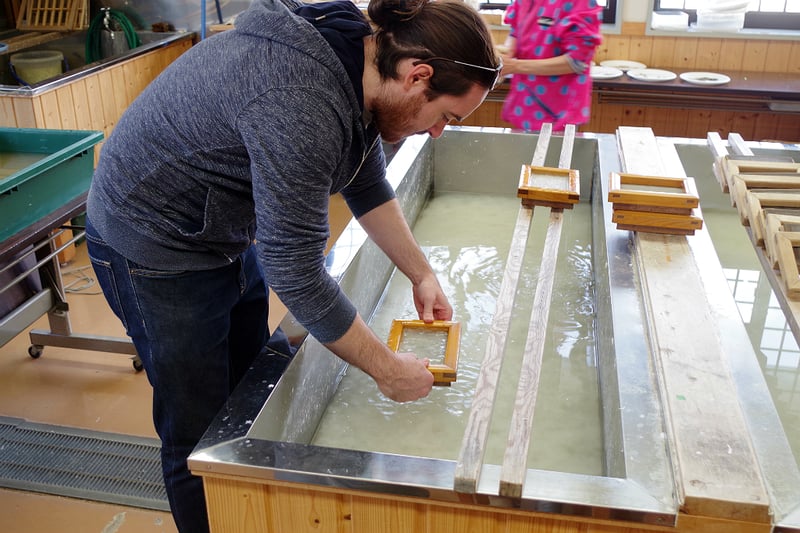
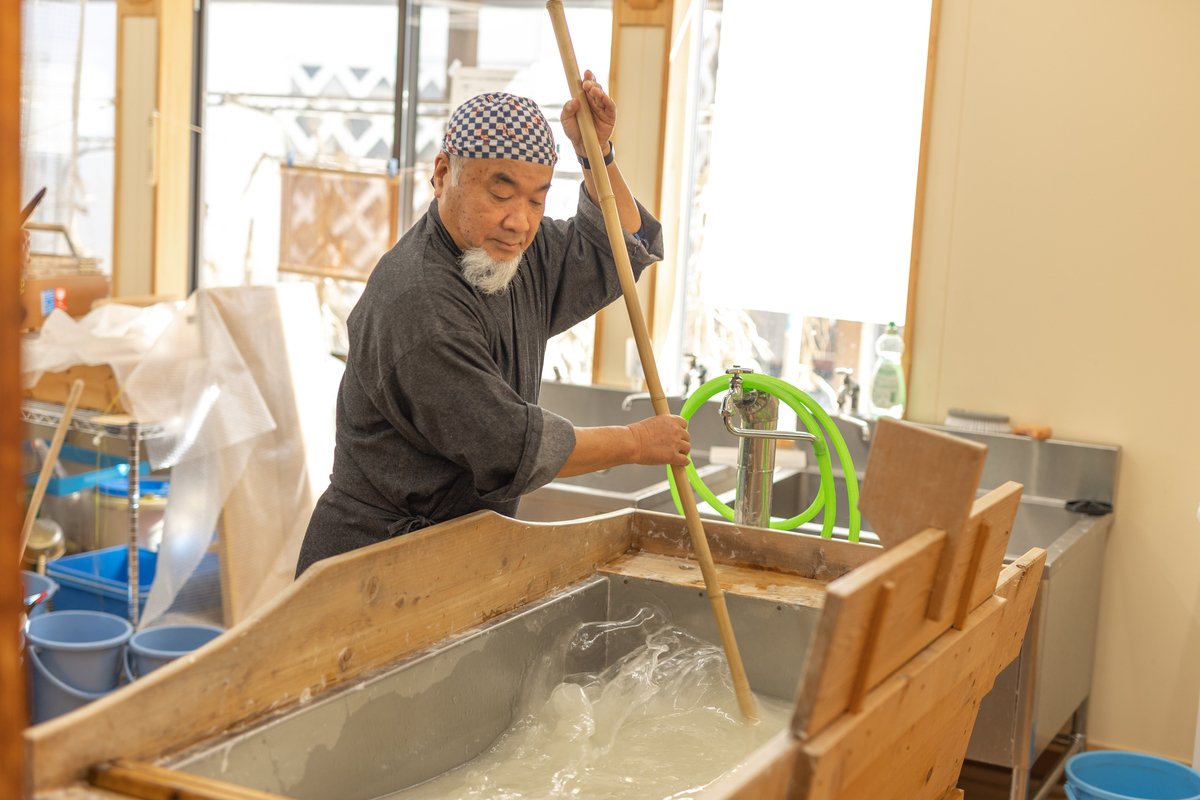
In Nagano’s deep snow country, there is a distinctive type of Japanese washi paper called Uchiyama washi, which is made from the bark of paper mulberry trees that has been bleached on snow. Uchiyama paper has been whitened this way using minimal chemicals for over 300 years. With its breathability, translucence and resistance to discoloration, it is a prized material for shoji sliding screen doors as well as for calligraphy paper. At an Uchiyama paper studio, you can experience making postcards, bookmarks or other papers.
Iiyama Handicraft Paper Studio
Instruction is in simple English.
Price: From 210 yen
Time Required: 10-20 min. plus drying time
Reservations: not required for less than 10 people.
Access: By car, 10 min. from Joshin-etsu Expwy Iiyama IC; by train: 10 min. on foot from Iiyama Station.
Website: https://www.city.iiyama.nagano.jp/soshiki/shoukou/shoukou/dentou/iiyama_wasi_taiken (Japanese)
Alternative: Kamisukiya (Kijimadaira Village)
Website: https://kijimadaira.org/article/detail/activity/uchiyama-washi/ (Japanese)
Mizuhiki Paper Cord Art
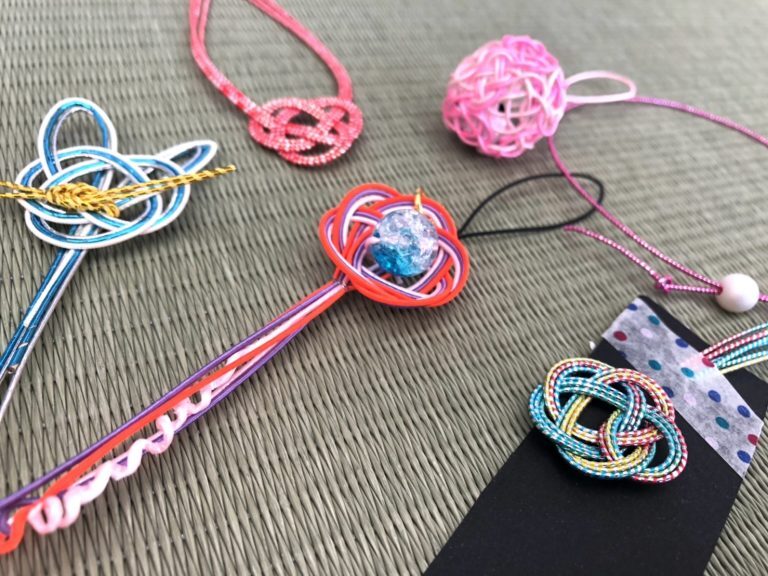
When giving a gift in Japan, there is no better way to present it than to wrap it in mizuhiki paper cord art. The color of the cords and the method of tying them vary with the purpose of the gift. Southern Nagano’s Iida City is the number one producer of mizuhiki, and here you can take a lesson in real mizuhiki knot tying.
Marugoto Shop Oidenansho
Price: 500 yen for kit + 1,000 yen for instruction in simple English
Time Required: 30-60 minutes
Reservation: Not necessary
Access: By car, 5 min. from Chuo Expwy Zakoji Smart IC; by train, 10 min. on foot from Moto-Zenkoji Station on the JR Iida Line
Website: https://iidaoide.jp/mizuhiki.html (Japanese)
Paint your Own Japanese Lacquerware Plate
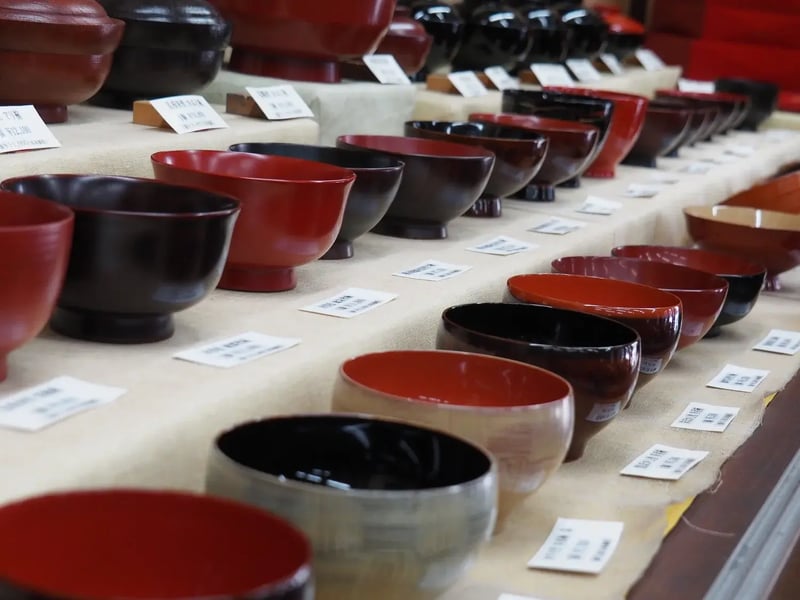
Japanese lacquerware is made from applying and polishing countless layers of urushi lacquer on wood and takes the form of everything from everyday tableware to formal tea ceremony utensils. Nagano’s Kiso Valley is home to numerous master craftspeople, and you can take in-depth lessons, offered through Really Rural Japan, at Chikiriya in Kiso Hirasawa near Narai-juku. Add it to their guided Yabuhara-to-Narai walking tour or arrange a stand-alone workshop. Finished items will be shipped four days after the lesson.
Chikiriya
Price: $400 ($50 if with walking tour) plus cost of shipping
Time Required: 1-2 hours
Access: By car, 30 min. from Nagano Expwy Shiojiri IC; by train: 2 min. on foot from Kiso-Hirasawa Station, JR Chuo Line
Website / Reservations: Really Rural Japan, https://reallyruraljapan.com/lacquerware-workshop
Make a Colorful Matsumoto Temari Handball
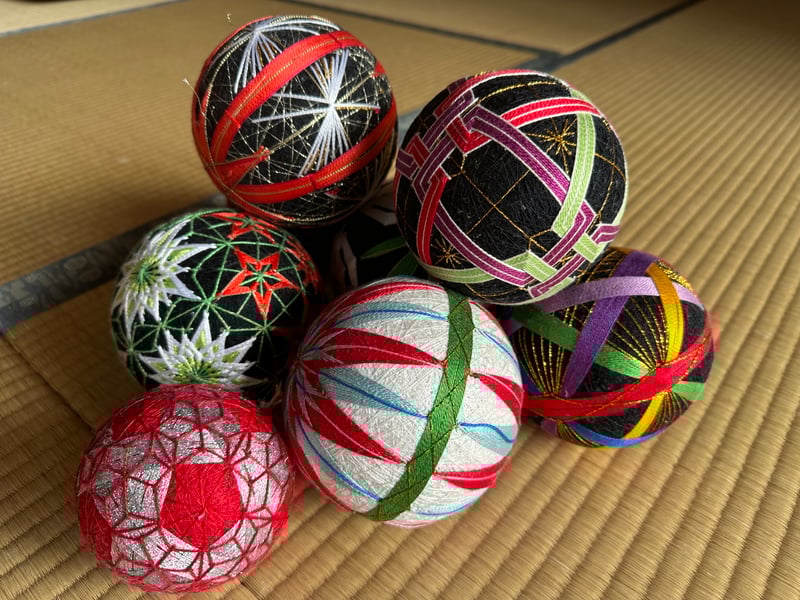
According to legend, one of the samurai wives of historical castle-town Matsumoto made the first temari handball over 200 years ago. Originally girls’ toys made from scraps of silk, temari have since evolved into symbols of marital peace and harmony. Today, the balls woven of colorful thread are beloved as tokens of good luck. At Takagi, a gift shop located near Matsumoto Castle, you too can make a temari of your own using colors and the design of your choosing.
Takagi
Instruction is in Japanese with plenty of body-language.
Price: 3,500 yen (minimum 4 people)
Time Required: 2.5 hours
Website / Reservations: https://e-takagi.net/%e3%82%ab%e3%83%ab%e3%83%81%e3%83%a3%e3%83%bc%e6%95%99%e5%ae%a4/ (Japanese)
Alternative: Suguri Temari
Website: https://suguritemari.jp (Japanese)
Weave Timeless Silk Fabrics
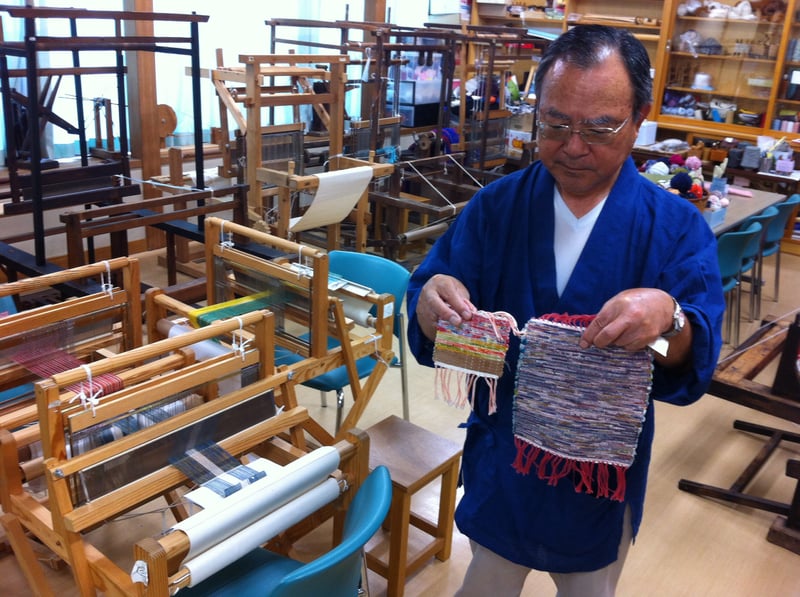
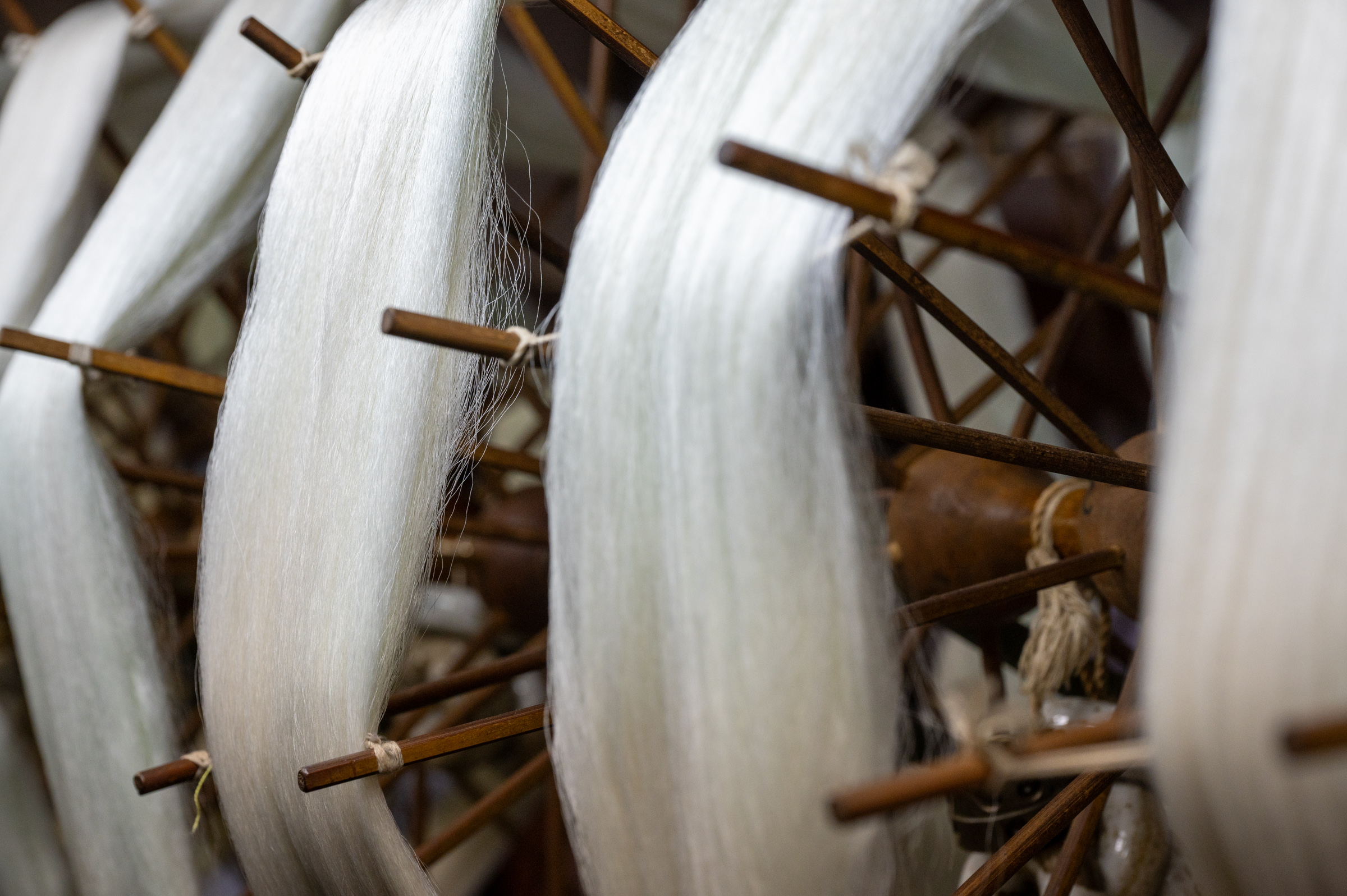
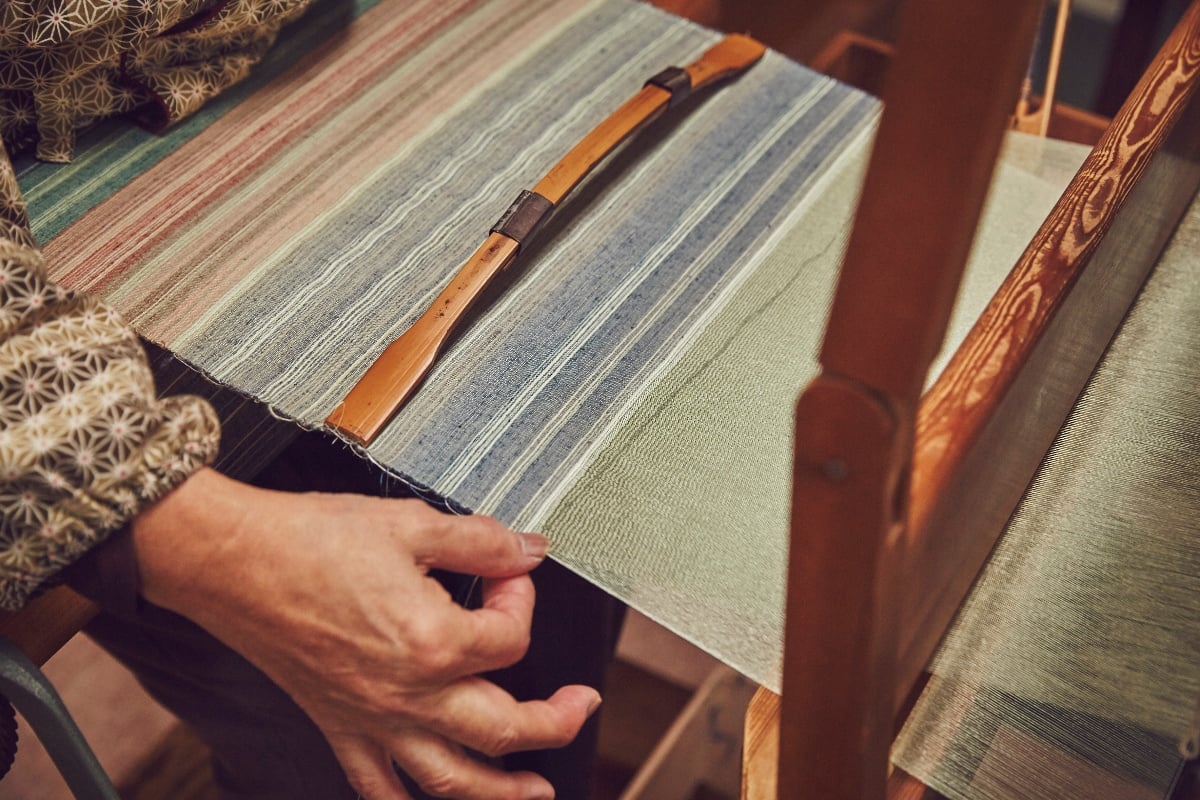
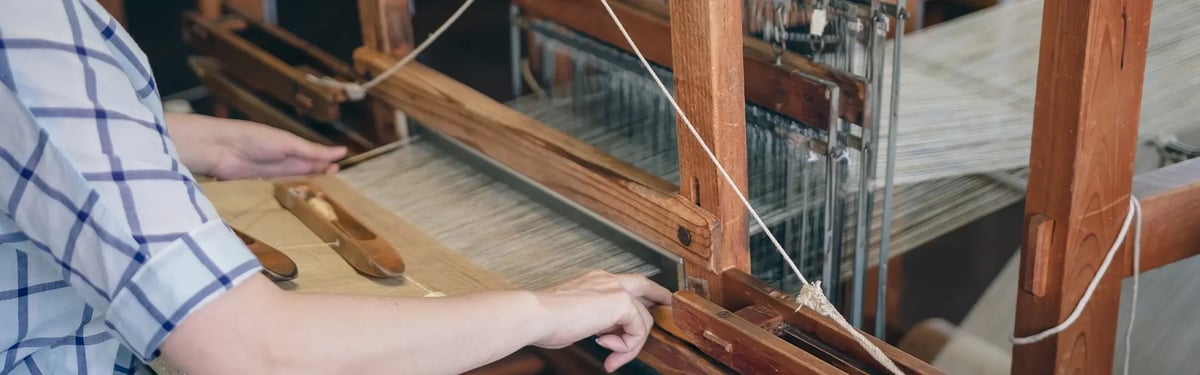
Nagano was once the largest producer of raw silk in Japan, and its sericulture heritage continues to this day. There are boutique studios where you can still sit at a hundred-year-old wooden loom and experience passing the shuttle back and forth across the warp while making scarves, coasters or small table mats. In southern Nagano’s Ina Valley (once known as Japan’s “Silk Kingdom”), Kubota Textile Arts and the Komagane Silk Museum both offer silk weaving workshops. Meanwhile, in eastern Nagano, Ueda City is home to Ueda Tsumugi, historically considered one of Japan’s top three styles of slub-woven silk. Koiwai Tsumugi in Ueda’s historical Shiojiri district offers lessons.
Kubota Textile Arts
Price: 2,000 yen
Time Required: 1 hour
Access: By car, 7 min. from Chuo Expwy Komagane IC; by train, 4 min. on foot from Komagane Station, JR Iida Line
Website / Reservations: https://inatumugi.com/enjoy.html (Japanese)
Komagane Silk Museum
Website: https://komagane-silk.com/en/en-home/
Koiwai Tsumugi
Website / Reservations: http://www13.ueda.ne.jp/~koiwai-tsumugi/#target (Japanese)
Glass Blowing in the Shadow of the Japanese Alps
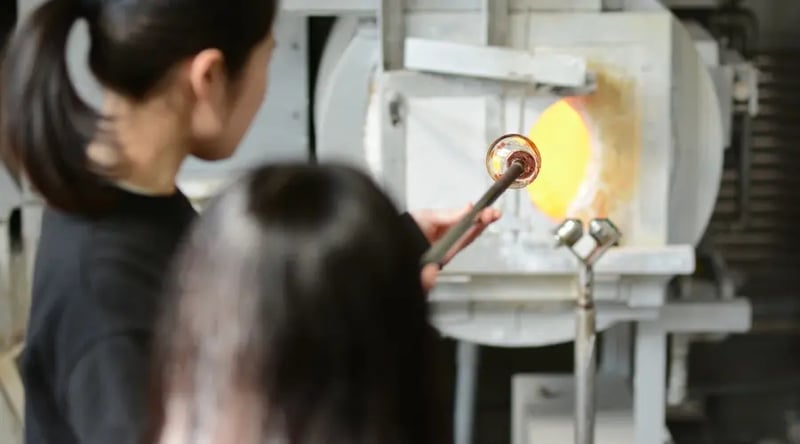
The Azumino Glass Studio is a working glass shop in an idyllic natural setting surrounded by crystal clear streams and backed by the majestic Northern Japanese Alps. The studio staff provide an explanatory sheet on how to blow glass and are happy to use body language to facilitate a lesson.
Azumino Glass Studio
Please note items require 2 days to cool. They can be picked up or shipped domestic (postage extra) later.
Price: From 3,850 yen (for vase, creamer or soba choko cup)
Time required: 15-20 minutes per person
Reservations: Not required (except for groups of 8 or more) – just inquire at the gift shop.
Access: By car, 7 min. from Nagano Expwy Azumino IC; by train, 5 min. by taxi from Hakuyacho Station on the JR Oito Line
Website: https://azumino-glass.com/workshop.html (Japanese)
Carve Hinoki Chopsticks in Narai-juku
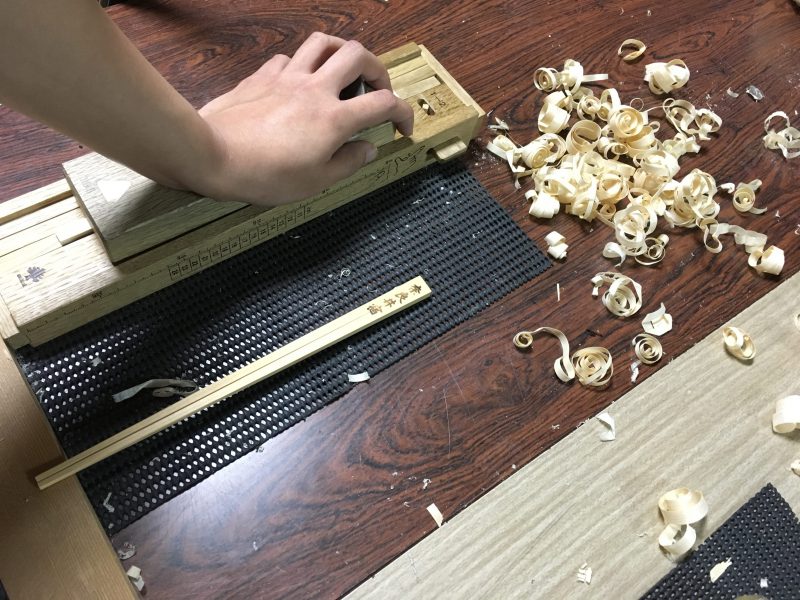
The Kisoji section of the ancient Nakasendo road that samurai walked from Kyoto to old Edo (Tokyo) is famous for the fragrant wood of its hinoki trees (Japanese cypress). At Narai-juku, the largest post-town on the route, you can make your own hinoki chopsticks by shaving a block of wood with a planer. You can even take the aromatic shavings with you for potpourri.
Narai-juku Tourist Information Center
Price: 1,500 yen
Time Required: 45 min.
Reservations: Required
Access: by car, 38 min. from Nagano Expwy Shiojiri IC; by train, 9 min. on foot from Narai Station (JR Chuo Line)
Website: https://tokimeguri.jp/guide/making-hinoki-chopsticks/
Alternative: Kiso Toy Museum, Kiso Town
Price: 1,000 yen
Website: https://kiso-toymuseum.com/events/make/entry-119.html (Japanese)
Scarf Weaving and Tea at a Nagano City Cafe
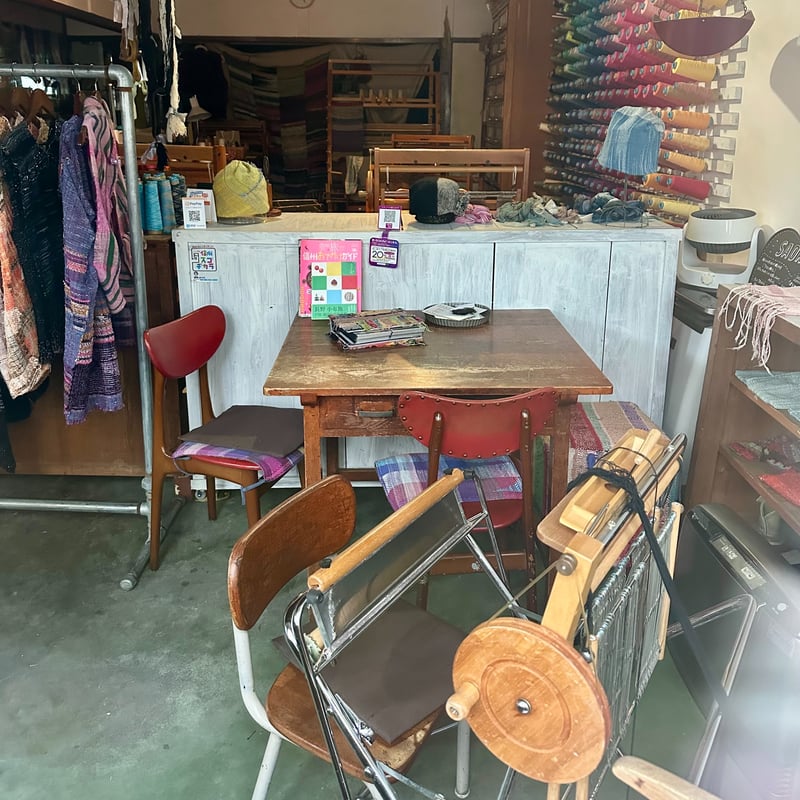
Ori Café
Price: 3,000 yen for making a scarf (tea included). Other options available so please inquire.
Time Required: 4 hours for the scarf-making course
Reservations: Not required
Access: By car, 25 min. from Joshin-etsu Expwy Nagano IC; by train, 18 min. on foot from Nagano Station
Website: https://oricafe.naganoblog.jp/ (Japanese)
Make a Bead Bracelet at Gallery Ren
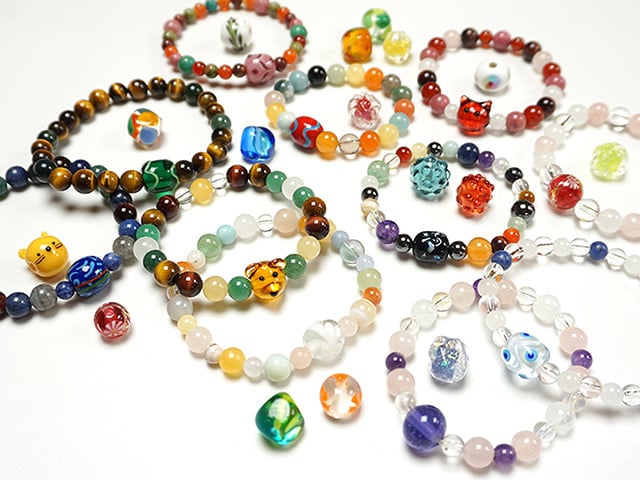
Take a break from a solemn pilgrimage to Zenkoji Temple with a kid-friendly activity in one of the shukubo temple lodges lining the approach. Located at the entrance to Byakurenbo, Gallery Ren offers a variety of craft workshops from bead bracelets to kaleidoscopes using glass beads and precious stones. Put together your own bracelet as a souvenir of your visit to Zenkoji Temple.
Gallery Ren
Price: From 3,800 yen for making a bracelet with one precious stone. Other options available so please inquire.
Time Required: 30-60 min.
Reservations: Not required during shop hours (except for groups)
Note: Activities may not be possible if the adjacent shukubo is preoccupied with a pilgrimage group
Access: By car, 28 min. from Joshin-etsu Expwy Nagano IC; by train, 24 min. on foot from Nagano Station
Website: https://www.iikoto.net/taiken.html (Japanese)
Kintsugi Lesson for Beginners
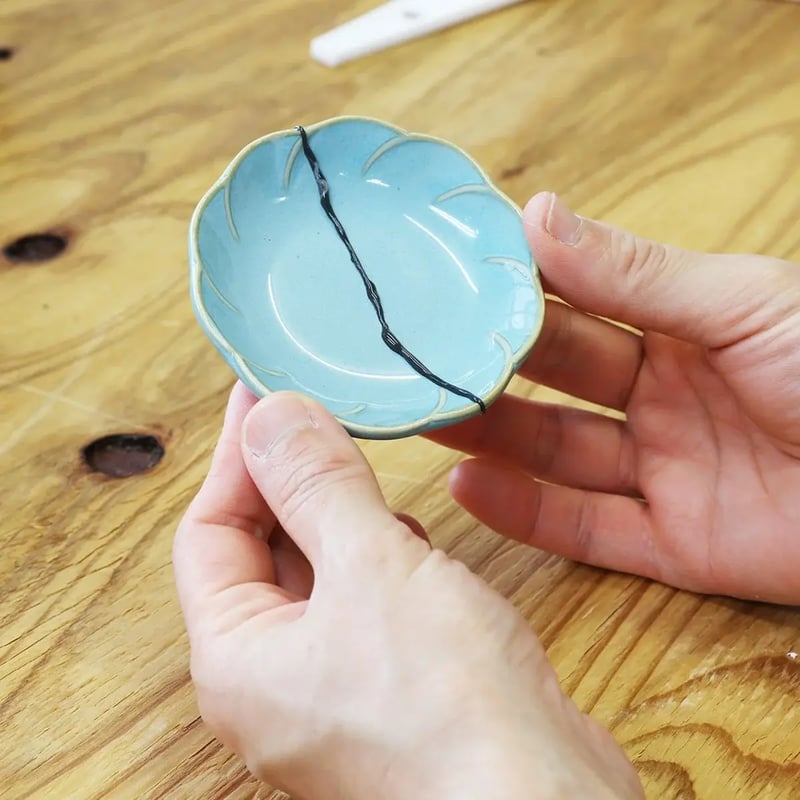
Kintsugi is the ancient art of repairing broken pottery with urushi lacquer embellished with gold dust. At Hikari Kintsugi Studio in the castle town of Matsumoto, visitors can take a 2-hour lesson and experience finding beauty in brokenness themselves.
Hikari Kintsugi Studio
Price: 5,500 yen including item for fixing
Time Required: 2 hours
Reservations: Required. Use the Inquiry Form on website.
Note: Your item can be taken home that day or can be shipped after completely drying. Instruction is available in English.
Access: Actual location will vary but will be in the general vicinity of central Matsumoto City, 15 min. from Nagano Expwy Matsumoto IC and/or walkable from Matsumoto Station.
Website: https://www.kintsugihikari.com/howto (Japanese)
Exclusive Tours
Maki-e Lesson with a Master Craftsman via Zenagi
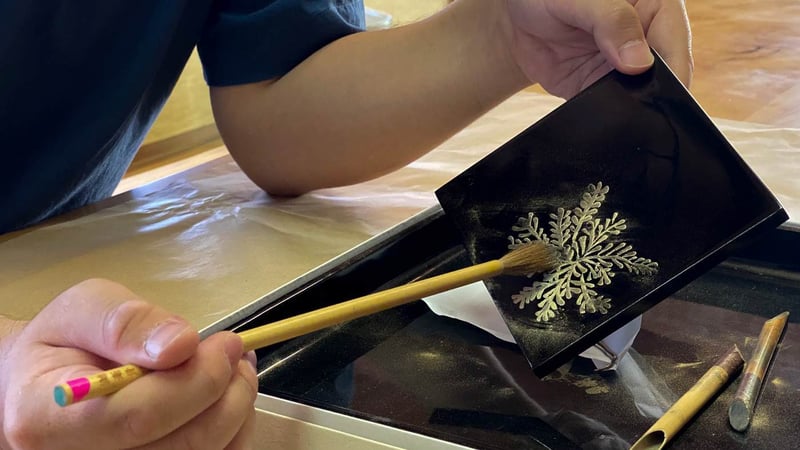
This luxury inn near the Nakasendo post town of Tsumago provides a unique tour to visit the workshop of a lacquerware artisan. Meet the master craftsman and see the wood turning technique with a history of 1,200 years. Then try your hand at maki-e, spreading a layer of urushi lacquer and adding a design with gold or silver powder.
Website: https://zen-resorts.com/en/experience/japanese-craft/
Pottery-making in Matsushiro
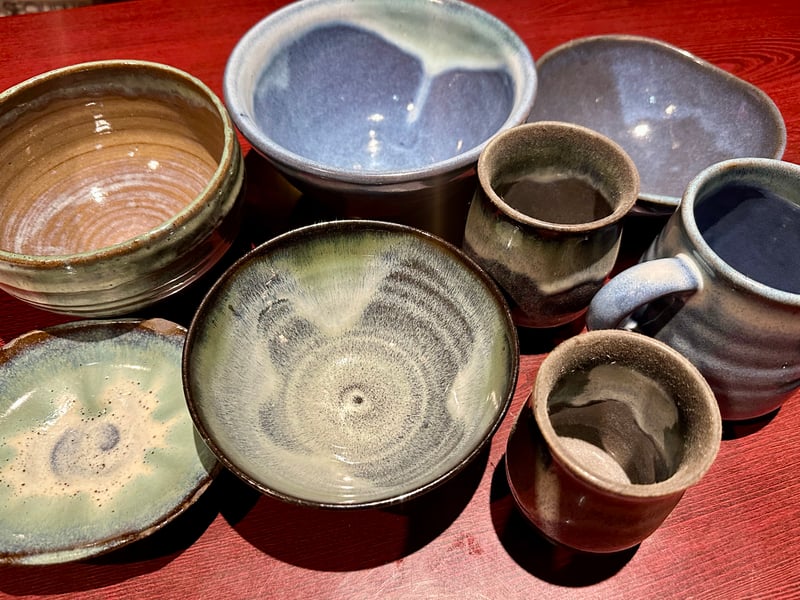
Matsushiro, a historic castle town on the outskirts of Nagano City, features a local style of pottery known as Matsushiro-Yaki. It features a distinctive blueish-green hue with potterers mixing local onsen water to the clay adding to the uniqueness. Matsui Kiln’s Pottery lessons are available, but it can be tricky to make a reservation without Japanese proficiency. If staying at a local hotel, such as Mercure Nagano Resort & Spa, ask the staff to contact the kiln for you.
Matsui Kiln website: https://matsushiro-touen.com/index.html (Japanese)
Mercure Resort website: https://mercure-naganomatsushiro-resortandspa.jp/ (Japanese)
Indigo Dying at Tsutaya
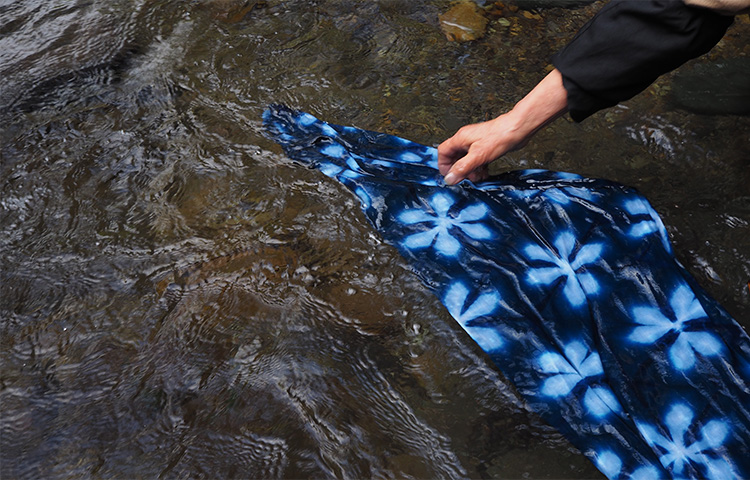
Located deep in the foothills above Saku City, Tsutaya is an inn that focuses on traditional Japanese lifestyle. Guests are invited to participate in cultural activities as part of their stay. One popular experience is indigo dying with the ink made from indigo grown and prepared on the premises.