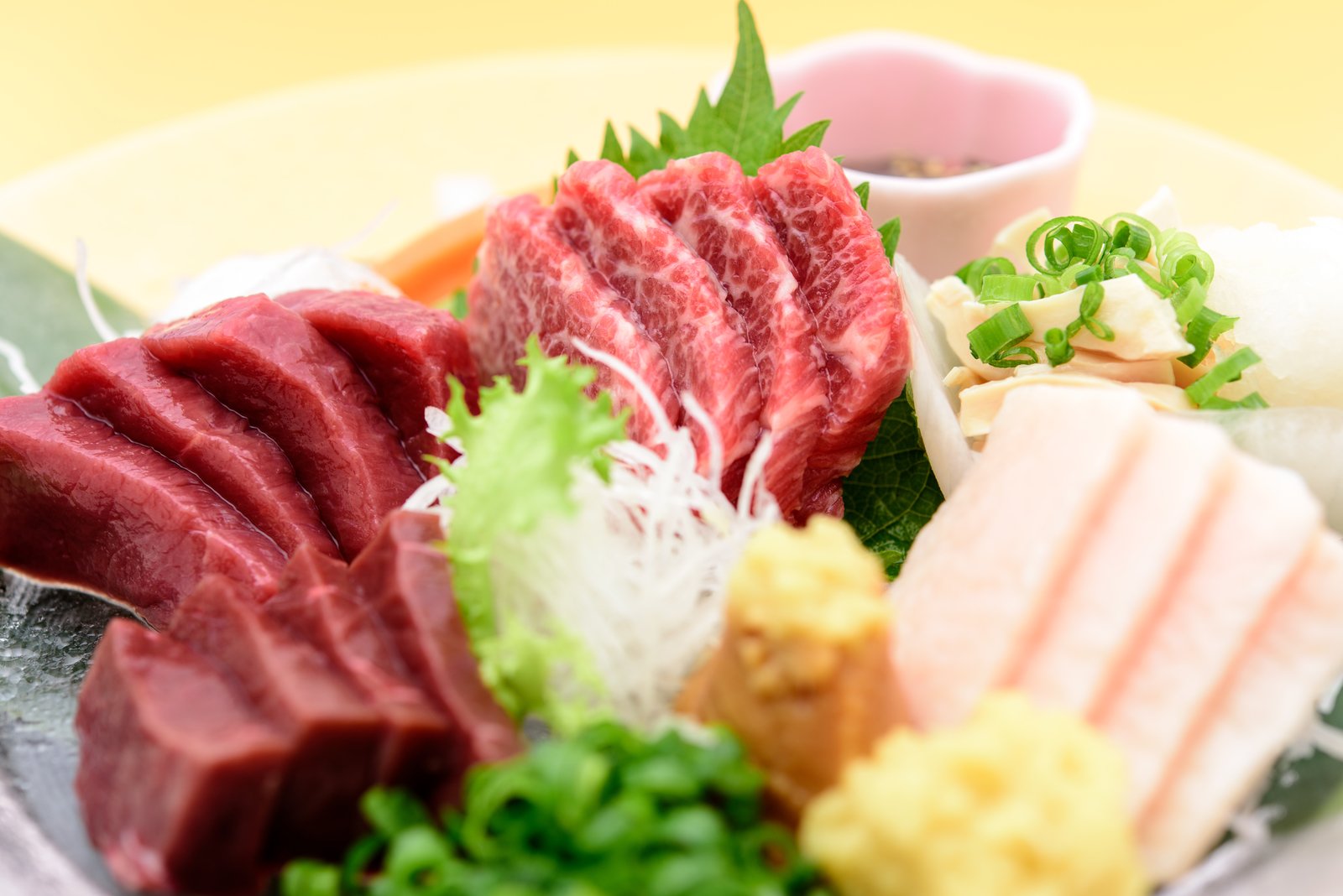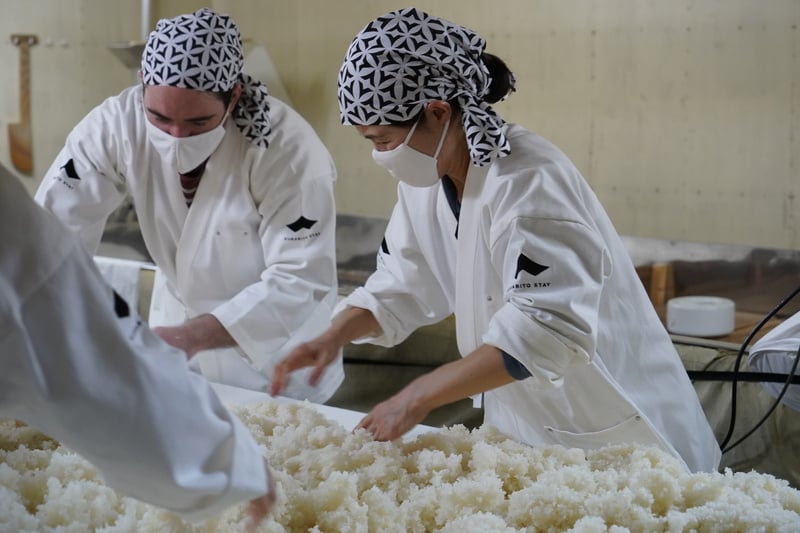


For many travelers, food is one of the most important elements of any trip abroad. In Japan, you can find delicious local dishes and cuisine almost anywhere you go. Nagano is no exception. Aromatic soba noodles, hearty oyaki dumplings, and vegetarian shojin ryori cuisine are just a few of the dishes you can try while around town.
Taste and experience your way through Northern Nagano’s specialties on a three-day tour visiting Zenkoji, Togakushi and Shinano Town.
Trip Highlights
- Savor traditional Buddhist vegetarian cuisine at a temple lodge by Zenkoji
- Make your own soba noodles on a visit to Togakushi
- Forage for wild vegetables or mushrooms in the mountains of Northern Nagano
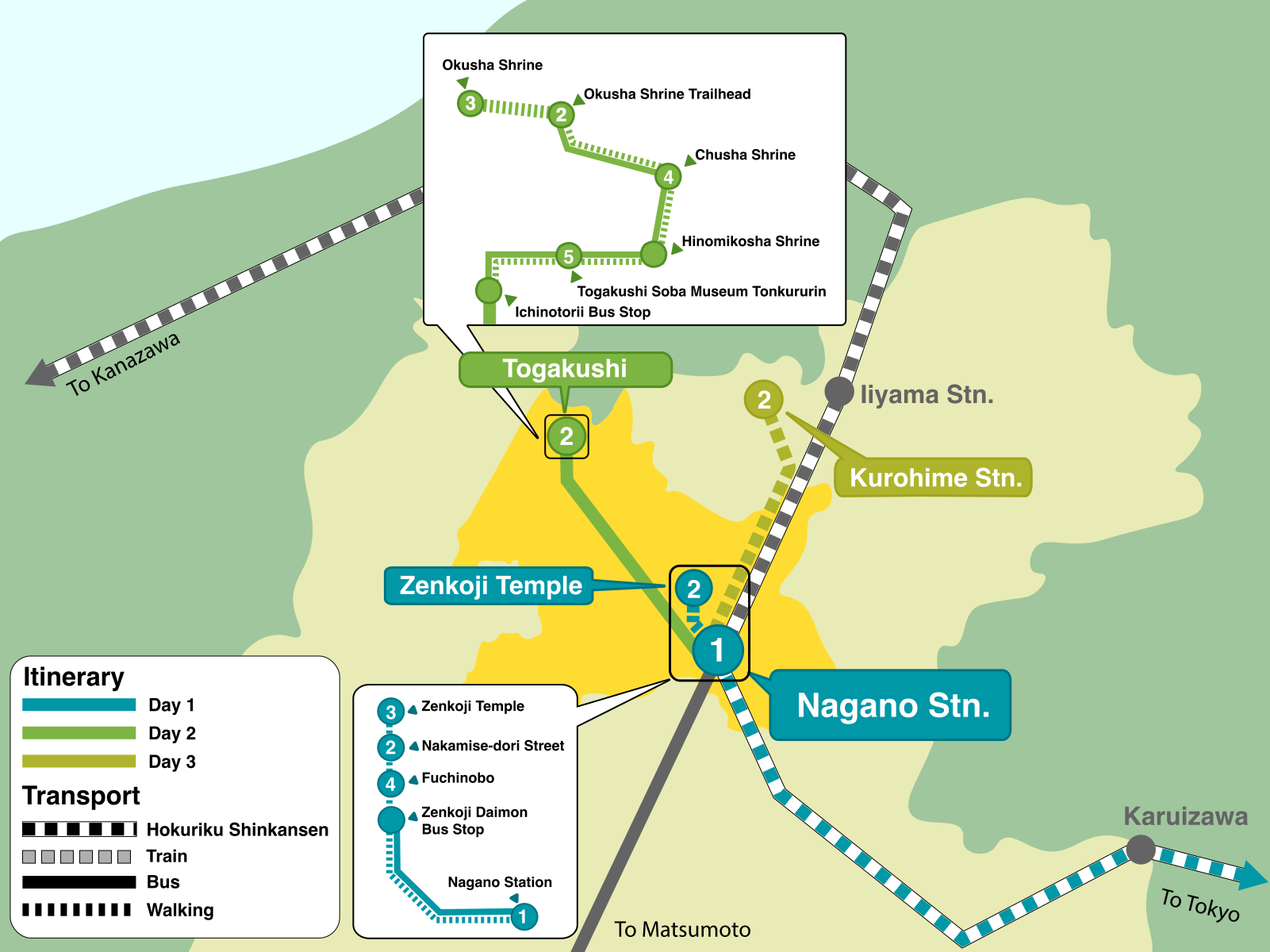
Course Map
Itinerary
Day 1: Explore Nagano City and Zenkoji Temple
Nagano City is easily accessible from Tokyo via the Hokuriku Shinkansen, making it an ideal gateway to the Japanese Alps. Surrounded by forested mountains and blessed with cooler summer temperatures, the city offers a refreshing contrast to Japan’s major metropolitan areas. After arriving at Nagano Station, check in to your hotel and take some time to freshen up before heading out on foot.
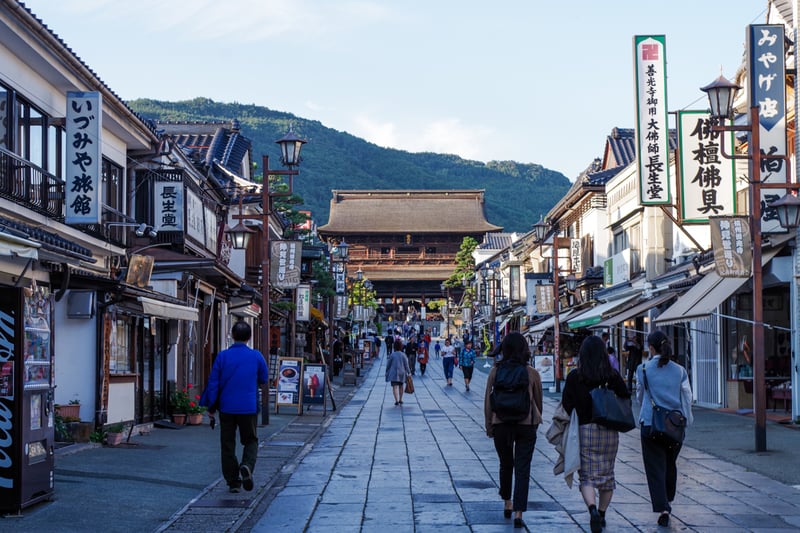
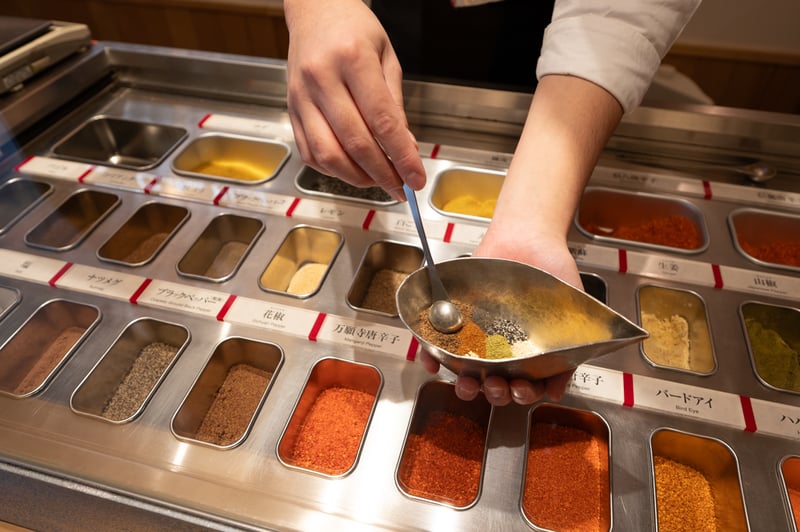
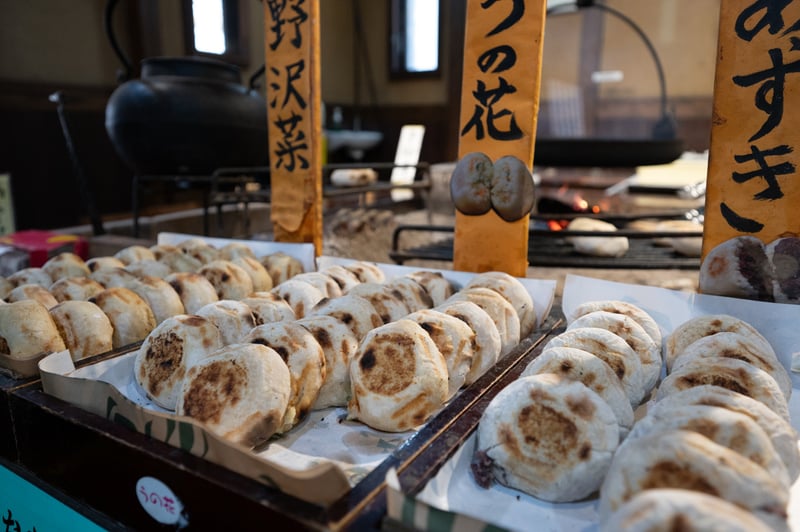
Leading up to the temple, the Zenkoji Daimon area and Nakamise-dori street are lined with traditional shops selling local snacks, crafts, and regional specialties. Stop by one of the many stalls selling oyaki dumplings, a traditionally vegetarian bun filled with vegetables such as pumpkin, eggplant, daikon radish or nozawana pickles. Or, make your own at Ogawa-no-Sho in Patio Daimon. Taste local sake at Nishinomon or Takiya Honten. Make your own spice blend at the Yawataya Isogoro shichimi shop.
You can also stop at one of the cafes along the street for a short rest.
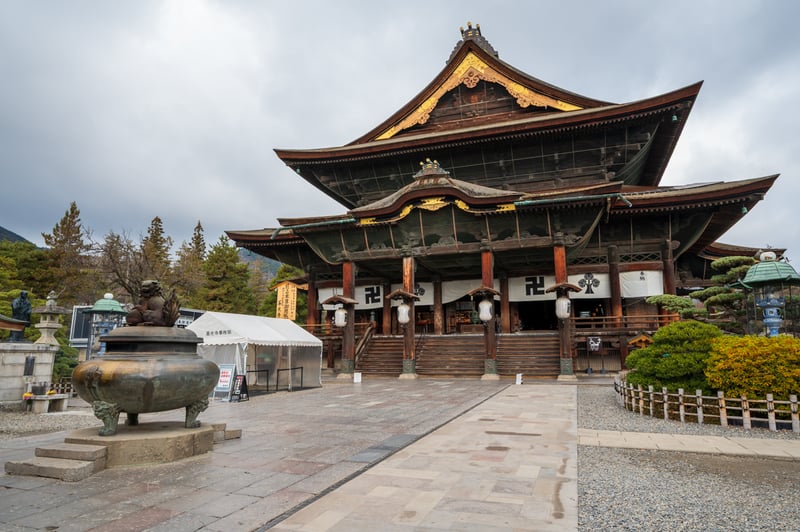
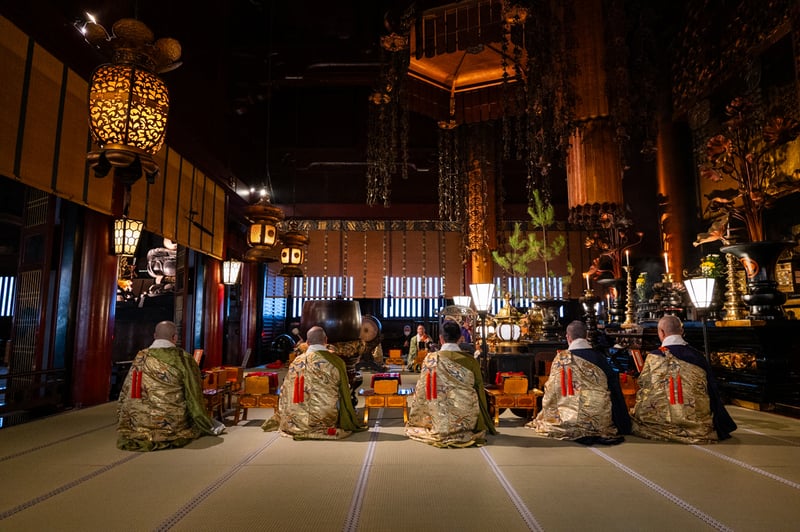
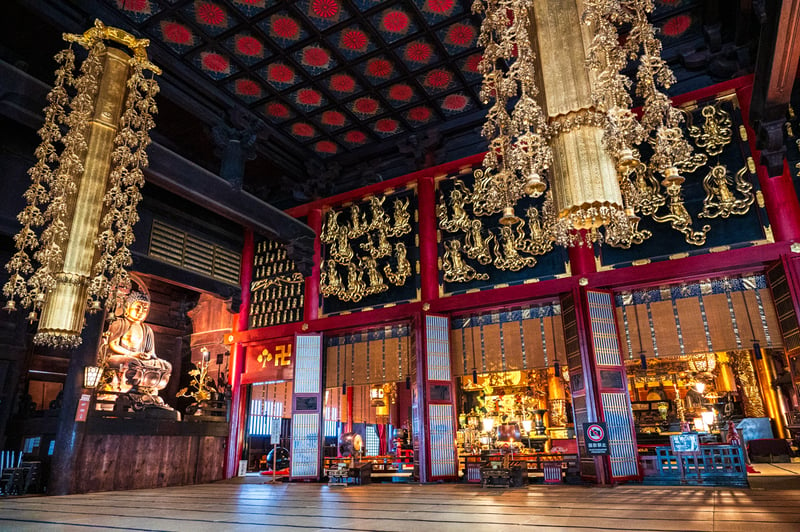
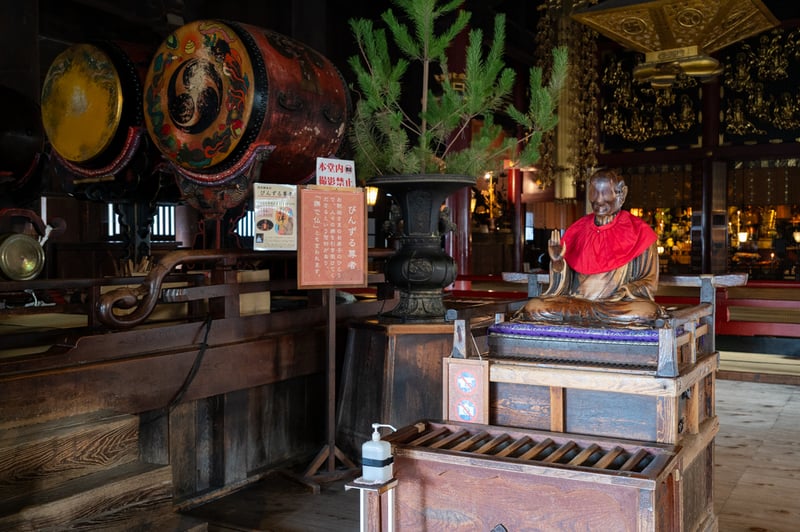
Zenkoji is one of Japan’s most important and inclusive Buddhist temples, welcoming worshippers of all faiths for nearly 1,400 years. It enshrines one of the oldest Buddhist icons brought from India to Japan, and for centuries, pilgrims have traveled here to pray for their health, happiness and rebirth in the Pure Land.
Visitors can explore the main hall, stroll along shaded paths on the temple grounds, and—if interested—participate in Okaidan Meguri, a walk through a pitch-dark underground passage below the hidden Buddhist icon.
Each morning, the head priests of the Daikanjin and Daihongan temples walk to the main hall of Zenkoji for the Oasaji service. If you line up before the service begins, the head priest will bless you with their juzu beads.
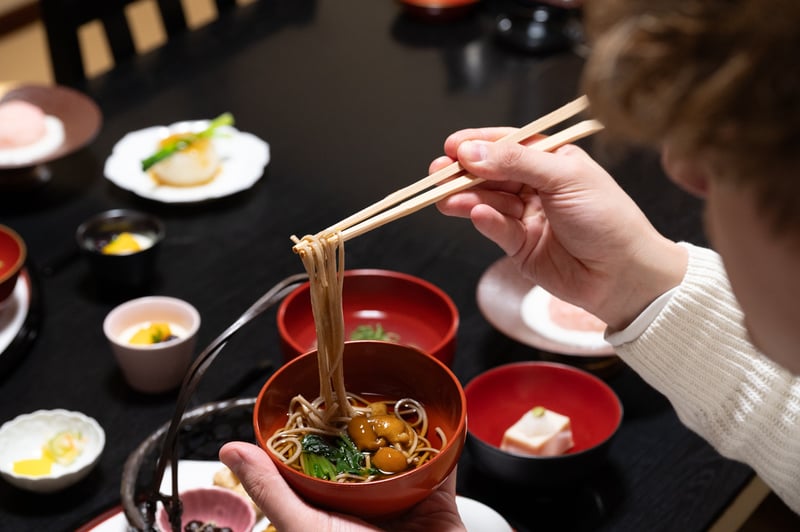
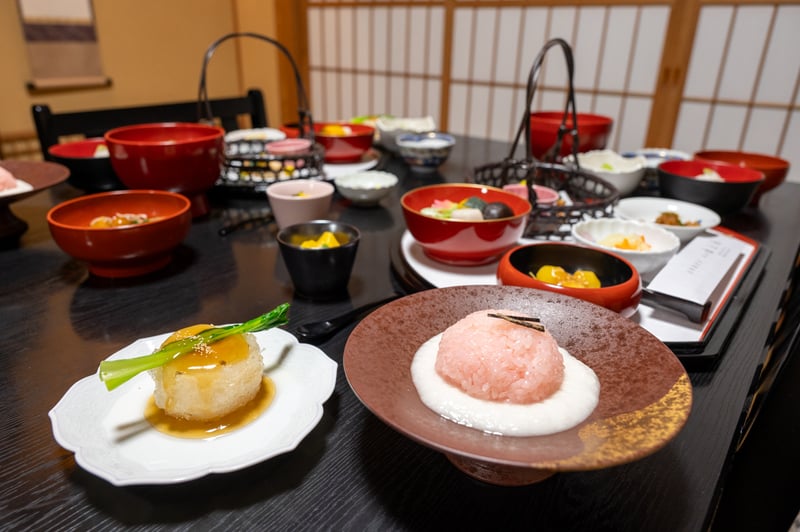
Enjoy traditional Shojin Ryori vegetarian cuisine at one of Zenkoji’s temple lodges, Fuchinobo.
Made with no animal-based products nor pungent vegetables such as garlic and onion, Shojin ryori fit the dietary requirements of Buddhist monks and just so happens to suit vegans and vegetarians alike. While these restrictions make it seem bland, each dish in a shojin ryori meal brings out the best of its seasonal ingredients, satisfying the palate and eyes alike.
Highlights of Fuchinobo’s shojin ryori include “Ishimochi no Hana,” steamed rice over a bed of grated yam, and “Mangetsu,” a dumpling of shiitake mushrooms stir-fried with walnuts in miso paste wrapped in dough made from Nagaimo yam grown in Matsushiro.
Day 2: Make Soba and Walk around the Shrines of Togakushi
Take the bus to Togakushi to walk through the forest and visit its ancient shrines. As one of Nagano’s preeminent buckwheat-growing regions, it’s also a perfect place to make your own soba noodles.
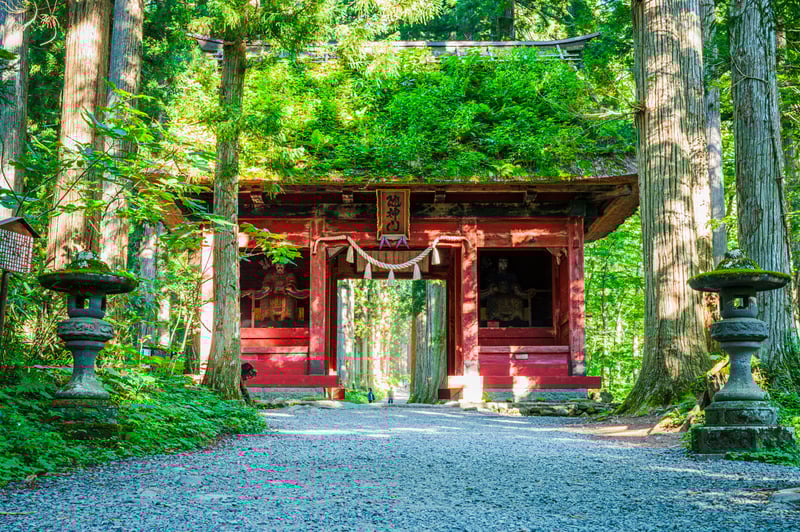
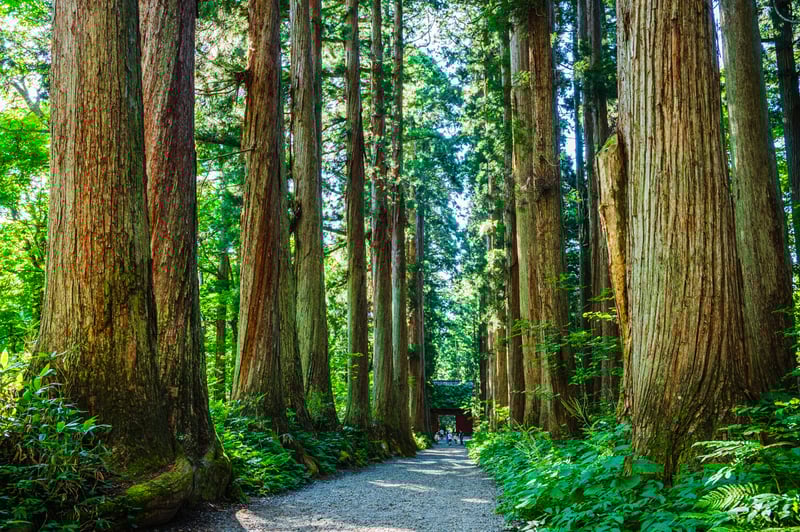
Togakushi Okusha Shrine sits at the base of Mt. Togakushi at the end of a 40-minute-long trail. At its mid-point is the striking, red Zuishinmon Gate, and beyond that, 400-year-old cedar trees that tower over you from both sides. The sheer scale of this natural scenery adds weight to the shrine’s spiritual atmosphere.
The relatively flat but scenic approach trail is about 2 kilometers one way, the last quarter of which grows steep as it approaches the Okusha Shrine. The roundtrip takes about 1.5 hours to complete.
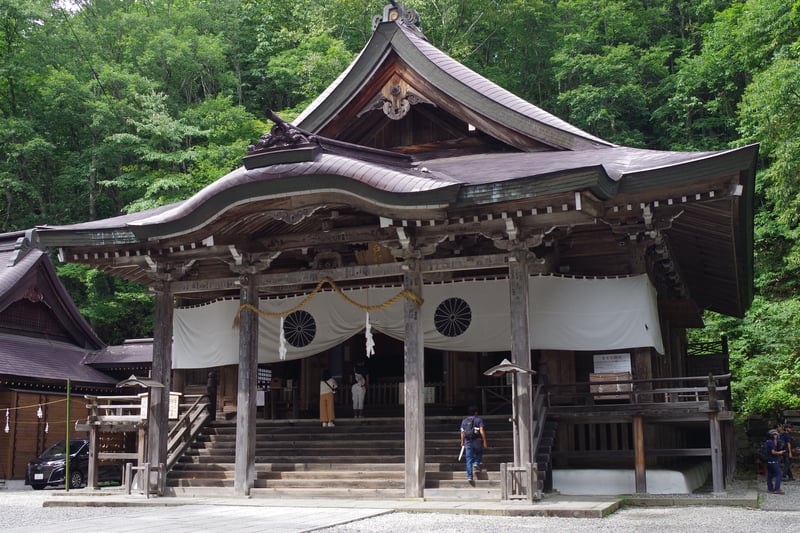
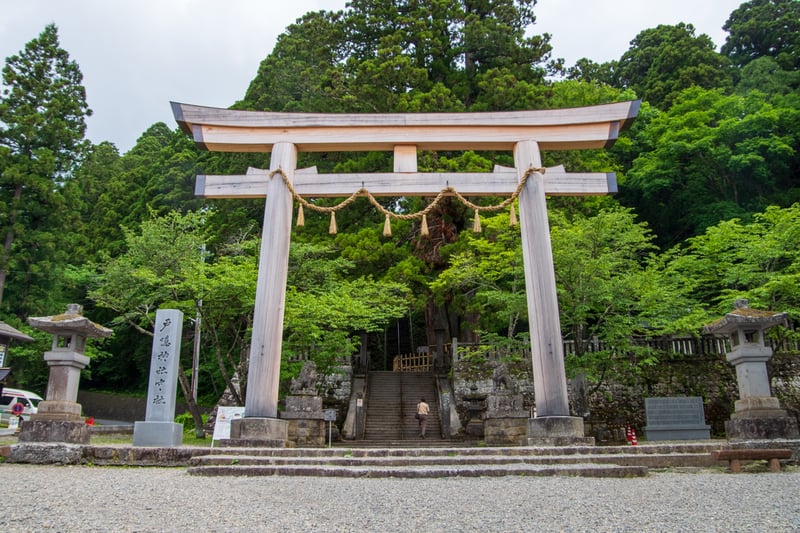
After returning from Okusha, continue toward Togakushi Chusha Shrine. It sits in the middle of the Togakushi area, just above Togakushi’s main street of soba restaurants and bamboo craft shops. The entrance to the shrine is marked by a tall torii gate and three towering cedar trees that are over 800 years old. The elegant but weathered shrine stands atop a steep flight of stone steps, surrounded by tranquil forest.
If traveling from Okusha on foot, we recommend walking down the road to visit the shrine from the base of the hill for the scenic approach.
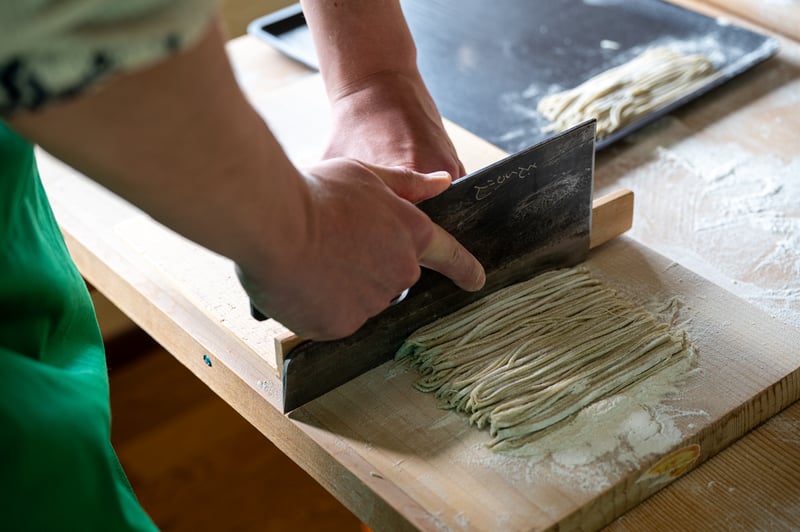
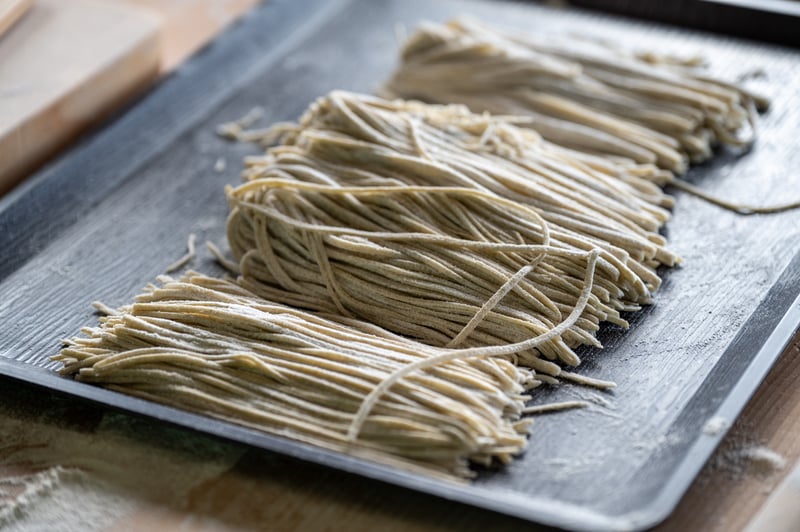
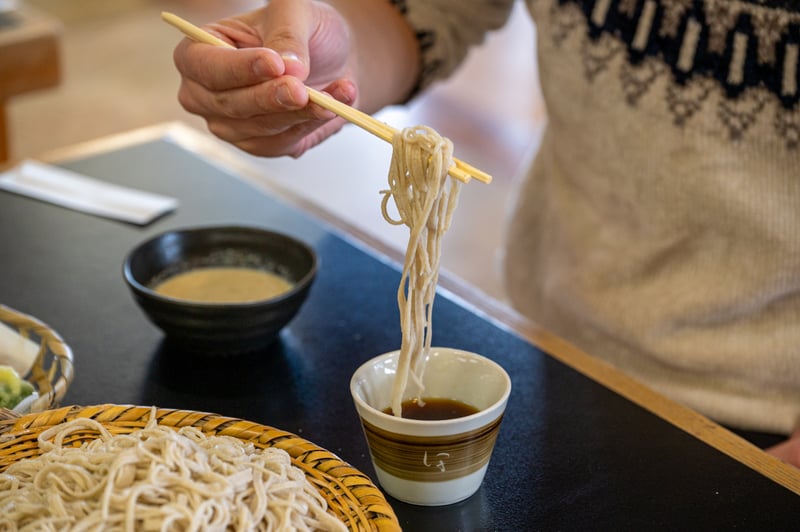
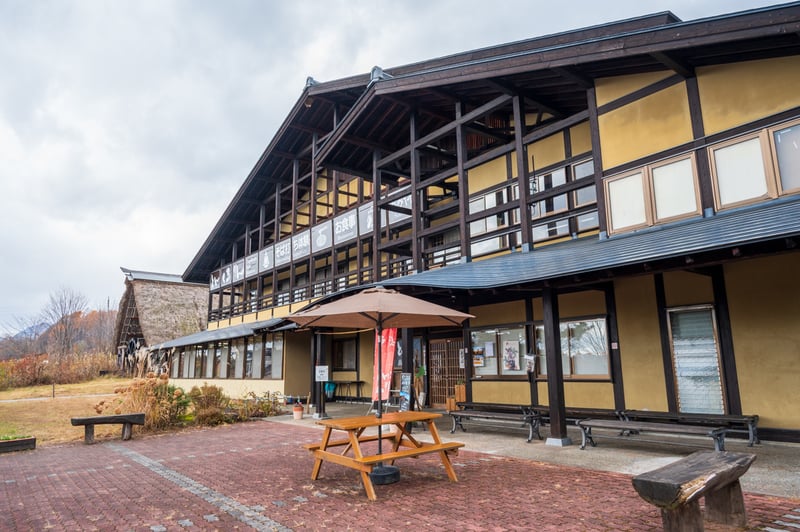
Togakushi is famous for its soba noodles, made with highland buckwheat and pure mountain water. At Tonkururin, you can make your own soba noodles with the help of a soba-making pro. The process seems simple from the outside, but there are many techniques that go into preparing a delicious batch of noodles. Carefully mix the dough, roll it out into a smooth sheet and cut it into even pieces before having it boiled for lunch. Your soba may not look as good as that made by a pro, but it’ll surely taste great.
Day 3: Foraging for Wild Mushrooms and Vegetables in Shinano Town
On day three, take a trip from Nagano City to Shinano Town to harvest wild vegetables or mushrooms (depends on the season).
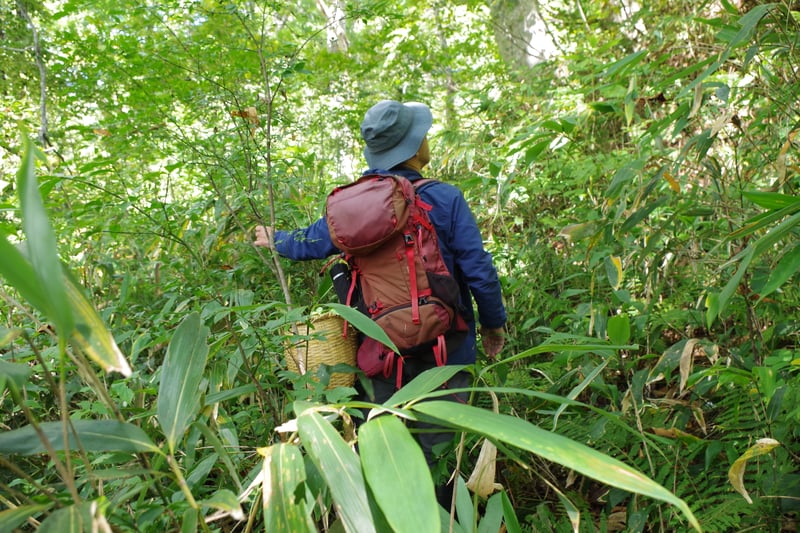
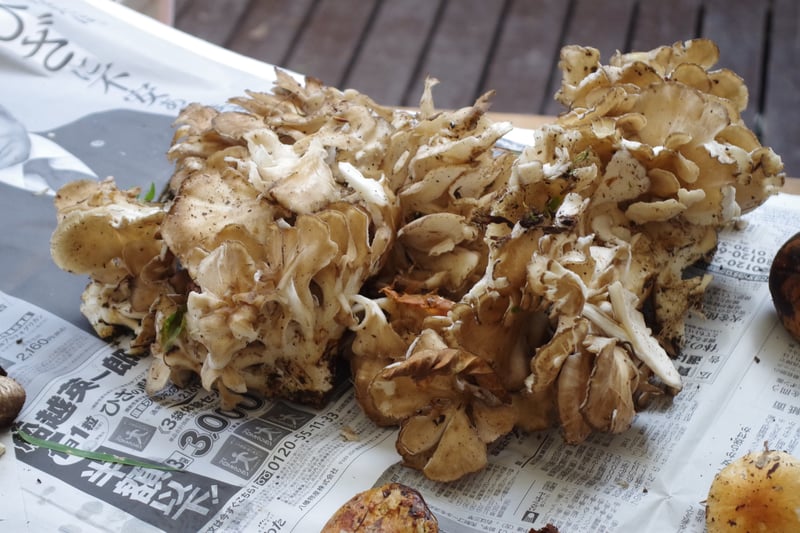
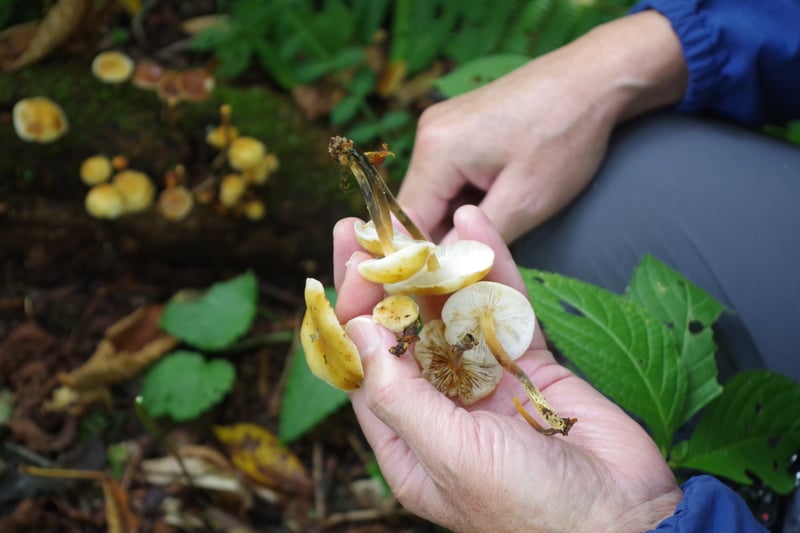
One of Shinano Town’s lakeside inns, Lamp Nojiriko, offers wild vegetable picking in spring and mushroom picking in autumn. Join one of their day tours and head into the forests and highlands around town to forage fresh ingredients for a delicious meal, which your guides will prepare after you return to the lodge.
Day 4: Departure
After breakfast, check out of your hotel and depart Nagano City for your next destination.